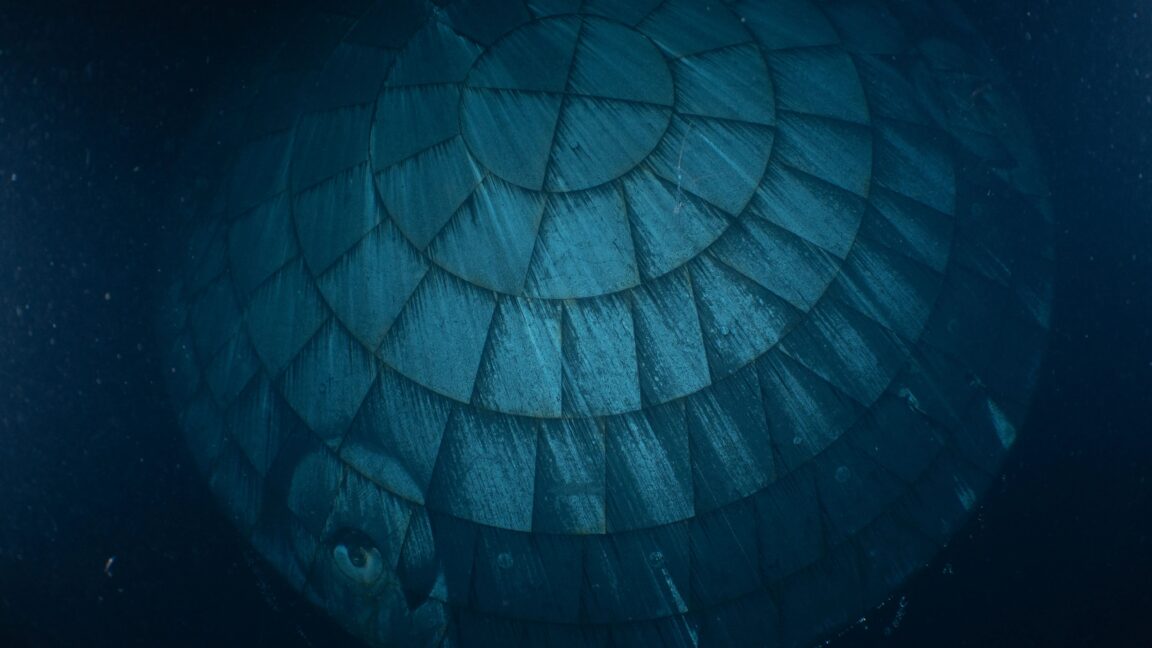
Despite initial controversies regarding its structural integrity, the Orion spacecraft's heat shield successfully protected the Artemis II crew during atmospheric reentry.
- The Orion heat shield successfully protected the crew during Earth reentry.
- NASA opted to modify the reentry trajectory rather than redesigning the shield.
- Independent safety officials have praised NASA's strategic leadership decisions.
One of the most critical uncertainties heading into the Artemis II mission was the reliability of the ablative heat shield at the base of the Orion spacecraft. Following unexpected material loss during a 2022 test flight, concerns had mounted regarding its ability to withstand the intense thermal loads of atmospheric reentry.
The controversy centered on whether the shield could maintain its integrity while charring as designed. After intense deliberation, NASA leadership made the pivotal decision to fly the existing heat shield design but implement significant modifications to the spacecraft's reentry trajectory to mitigate thermal stress.
Why This Matters
BozokMedia analysis shows that this successful outcome validates NASA's ability to utilize trajectory mathematics to compensate for hardware uncertainties. This approach has profound implications for how future deep-space missions manage unexpected technical anomalies.
The success of the Orion reentry marks a milestone in engineering resilience, proving that trajectory optimization can be as vital as structural redesign.
Led by Commander Reid Wiseman, the Artemis II crew completed a triumphant lunar journey and safely splashed down in the Pacific Ocean. Post-mission assessments from both the crew and NASA officials indicate that the heat shield performed within expected parameters, despite previous skepticism.
Independent safety officials have also offered high praise for the leadership's decision-making process. The mission's success provides a robust data set that will be instrumental in planning subsequent crewed missions to the Moon and beyond.
Frequently Asked Questions
Question 1: What was the issue with the Orion heat shield?
Answer: During a 2022 test, large chunks of the ablative material were lost unexpectedly, causing safety concerns.
Question 2: How did NASA ensure the crew's safety?
Answer: Instead of a costly redesign, NASA modified the angle and path (trajectory) at which the spacecraft enters Earth's atmosphere.