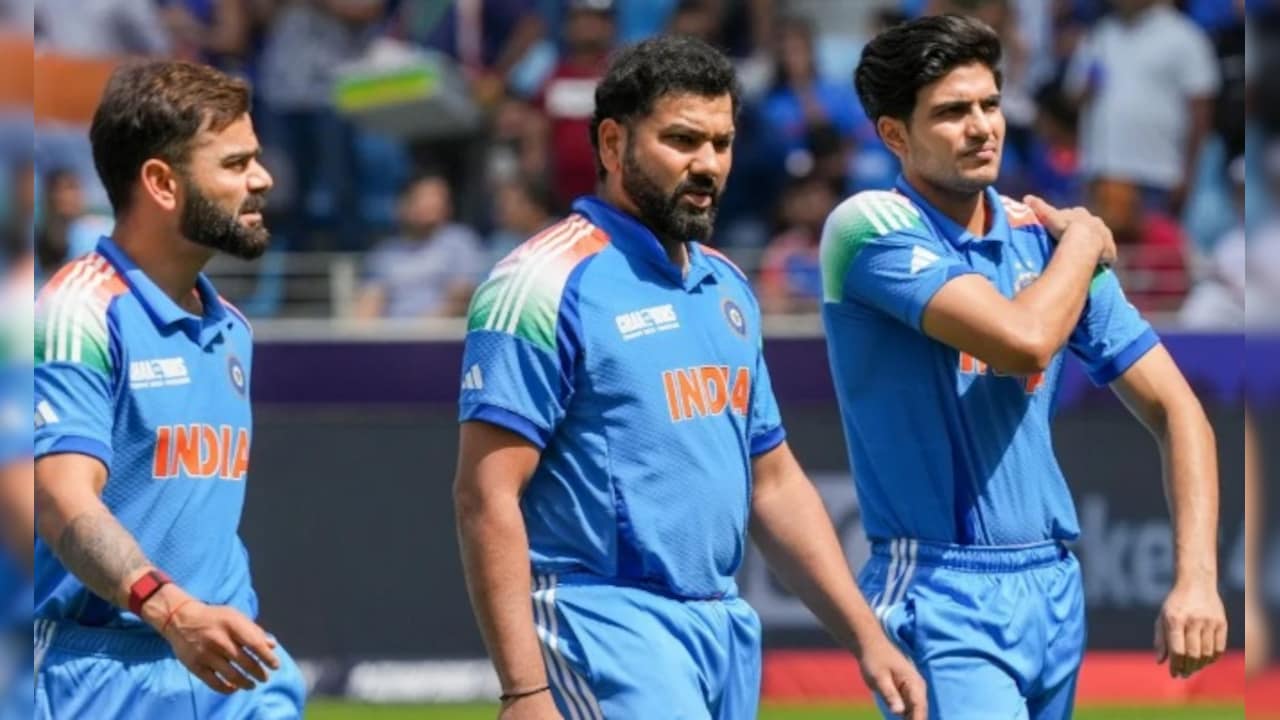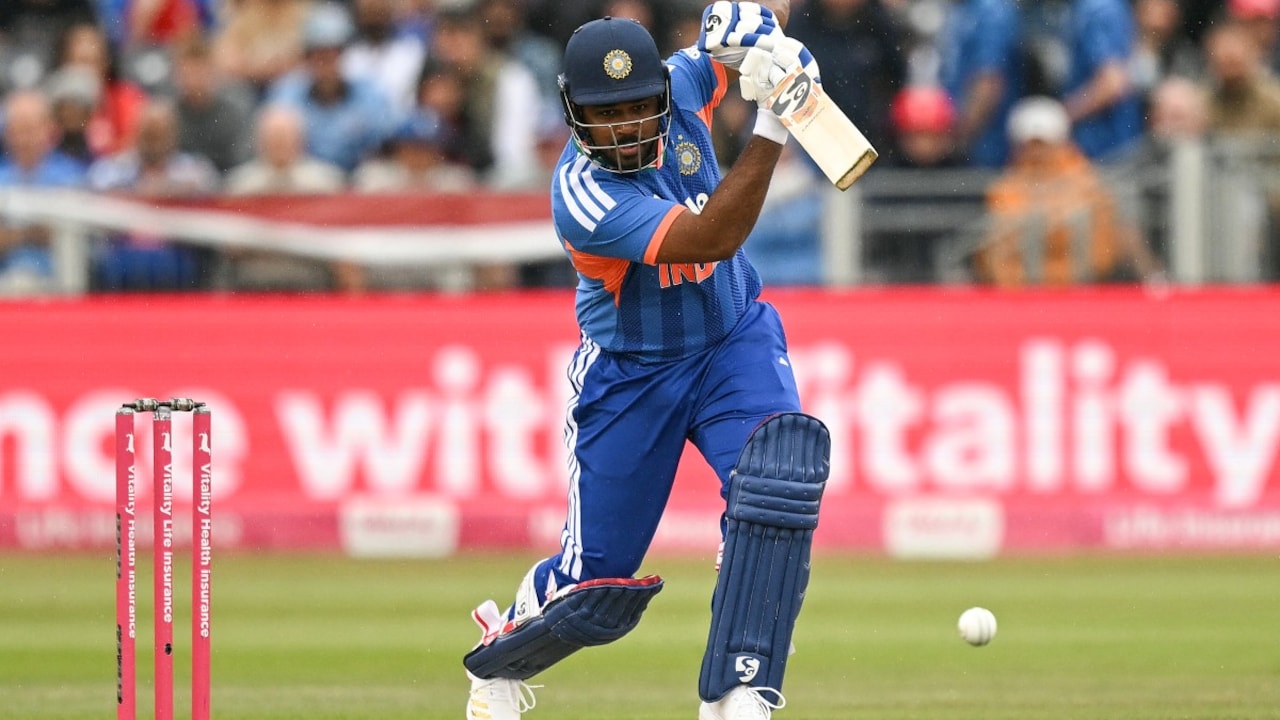
Robin Uthappa expressed shock at the board’s decision to leave Sanju Samson out of the upcoming T20I series against Zimbabwe. The move has drawn sharp criticism from Gautam Gambhir and Ajit Agarkar, sparking a wider debate over India’s selection policy.
Robin Uthappa was left stunned by the Indian team management’s decision to exclude Sanju Samson from the squad for the forthcoming T20 International series against Zimbabwe. The omission, announced just weeks before the tour, has reignited a heated discussion about the transparency and meritocracy of India’s selection process.
Samson’s Recent Form and Background
Since making his international debut in 2022, Sanju Samson has become known for his aggressive batting and agile fielding. In the latest Indian Premier League season, he amassed over 450 runs for the Karnataka Pacers, including two centuries, reaffirming his status as a top‑order asset. Despite this, the selection panel opted to leave him out, prompting senior players to voice their displeasure.
Gambhir and Agarkar’s Public Rebuttal
Former captain Gautam Gambhir and ex‑fast bowler Ajit Agarkar took to social media, describing the decision as "doesn’t feel right". Both argued that Samson’s current form warrants inclusion, especially as India seeks stability in the middle order. They called for a selection framework that prioritises recent performance over past reputation.
Team Management’s Rationale
The Board of Control for Cricket in India (BCCI) has yet to issue an official statement. Team officials have hinted that multiple variables—form, fitness, and overall squad balance—inform selection choices. Analysts suggest that Samson’s exclusion could stem from strategic considerations rather than a dip in his domestic performance.
Implications for the Future
If Samson remains on the sidelines, it could affect his international trajectory and send a discouraging signal to emerging talent about the predictability of selection. Conversely, the decision may be an attempt to rotate the squad and provide opportunities to other fringe players. The upcoming series against Zimbabwe will serve as a litmus test; a dominant Indian performance could either validate the current picks or pressure selectors to revisit their choices.
Fans, pundits, and former players are now watching closely to see whether the board will adjust its approach. The controversy underscores a broader demand for clarity and fairness in the selection mechanism, which could shape the future composition of the Indian cricket team.