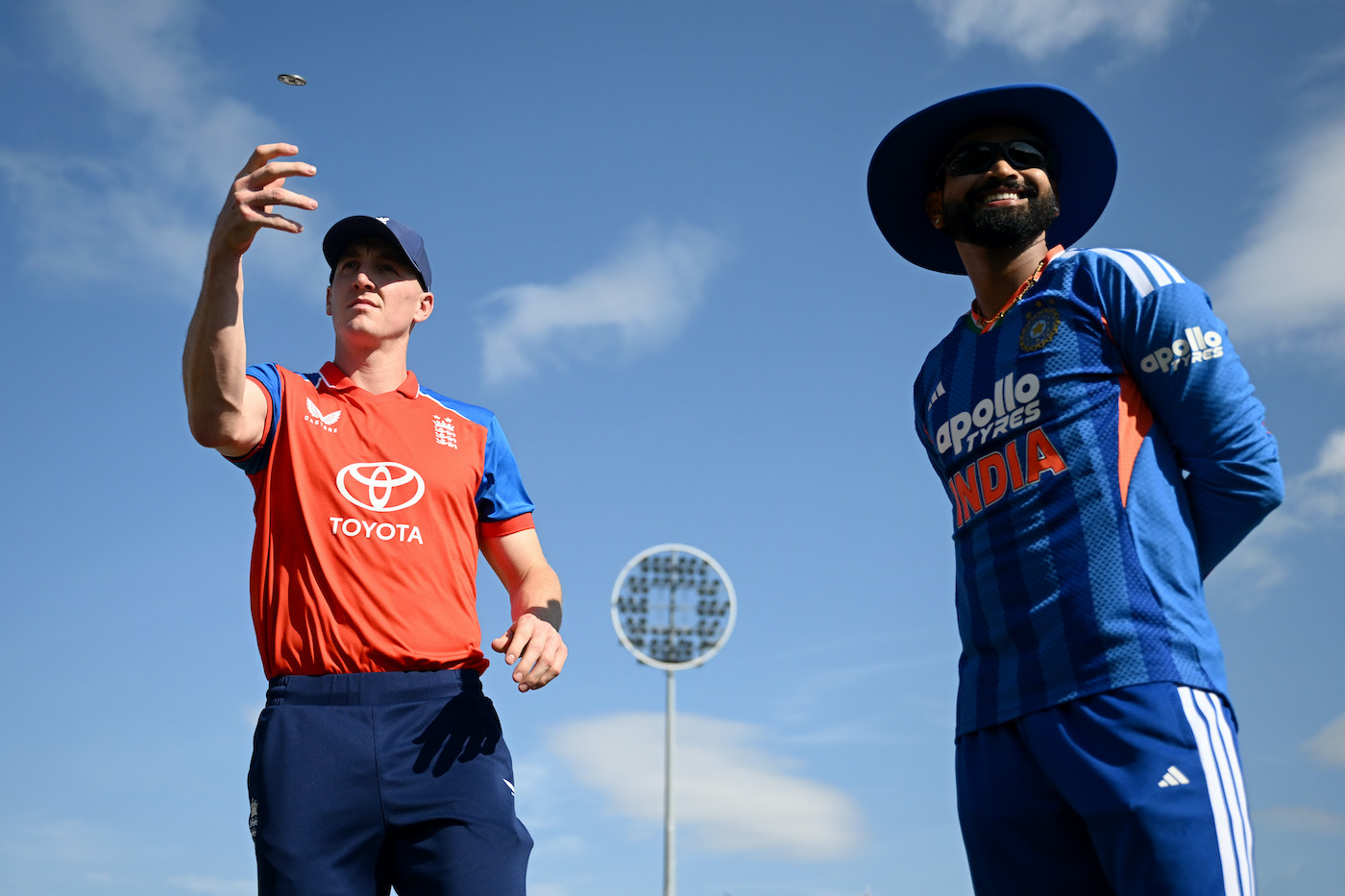
Shreyas Iyer elected to bowl first at Trent Bridge in the third T20I, bringing in Prince Yadav for the costly Ravi Bishnoi. England retained an unchanged XI, with captain Harry Brook content despite losing the toss.
At the high‑scoring venue of Trent Bridge, India secured the toss for the third T20I against England and opted to bowl first. Captain Shreyas Iyer cited the ground’s short boundary on the Bridgford Road side and its reputation for rapid run‑making as key factors in his decision, aiming to put early pressure on the hosts.
Key Team Changes
Following a disastrous spell of four overs for 60 runs by spinner Ravi Bishnoi in the second match, India introduced Prince Yadav into the lineup. Iyer described the episode as a “hiccup” and emphasized that Bishnoi will learn valuable lessons from the experience, while Yadav offers a fresh spin option for the crucial death overs.
England’s Unchanged Line‑up
England stuck with the same XI that played in Manchester, with captain Harry Brook expressing satisfaction despite losing the toss. He admitted he would have batted first regardless, trusting the team’s familiarity with Trent Bridge to post a formidable total and put India’s power‑hitters under pressure.
Strategic Context
Trent Bridge’s compact dimensions, especially the truncated boundary along Bridgford Road, encourage big hits and make it a favorite for high scores. By choosing to bowl first, India hopes to exploit the early‑over conditions and restrict England’s aggressive start. Conversely, England’s seasoned openers and fire‑power middle order are well‑suited to capitalise on the same short boundaries.
Series Implications
India sits at one win and two losses in the series. A victory in this match would level the series and revive hopes of a comeback. For England, a win would cement their dominance at home and move them closer to an outright series triumph.
Key players to watch include England’s Jos Buttler, Jofra Archer and India’s Vaibhav Sooryavanshi, Abhishek Sharma. The clash will hinge on how well each side executes its tactical plan and adapts to the fast‑scoring environment.