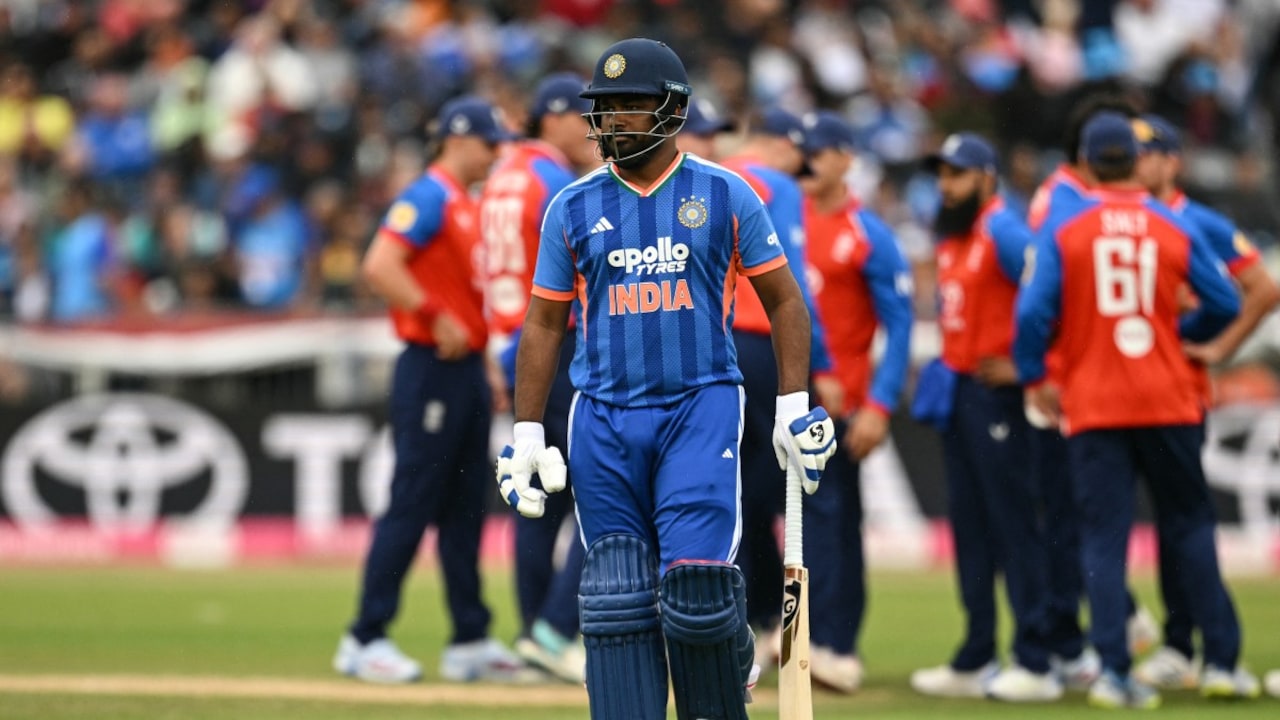
Despite being crowned Player of the Tournament at the 2026 T20 World Cup, Sanju Samson has been left out of India's three‑match T20I series against Zimbabwe. The board says the series will serve as a testing ground for fringe players.
Sanju Samson, the standout performer of the 2026 T20 World Cup, walked away with the coveted Player of the Tournament award after amassing 374 runs at an average of 45.67 and a strike rate of 138.5. Yet, the Board of Control for Cricket in India (BCCI) has omitted him from the upcoming three‑match T20I series against Zimbabwe, sparking surprise among fans and pundits alike.
Selection Strategy Shifts
The selectors, who have increasingly emphasized long‑term squad balance, have declared the Zimbabwe series a "platform to test fringe players." Their rationale is simple: exposing younger, less‑experienced talent to international pressure against a lower‑ranked side can accelerate development and deepen the bench for future tournaments.
Samson’s Recent Form and Role
During the World Cup, Samson’s aggressive stroke‑play produced five fours and two sixes in crucial chases, cementing his place in India’s top order. Analysts argue that his consistency provides a reliable anchor for India’s 2027 World Cup campaign, making his exclusion appear counter‑intuitive at first glance.
Potential Fringe Candidates
The squad features promising names such as Rohit Tripathi, Adhiraj Singh and Vikas Roy. All three have impressed in the domestic season but lack substantial international exposure. The selectors hope that the relatively low‑stakes environment will allow them to showcase temperament and skill, thereby strengthening India’s depth.
Implications and Possible Criticism
Critics label the move as "short‑sighted," arguing that India needs seasoned performers like Samson to maintain stability in high‑pressure matches. The BCCI, however, stresses that the decision is not a reflection of individual performance but a strategic step toward building a resilient, adaptable unit.
If the fringe players seize the opportunity, this series could become a benchmark for future selection policies, encouraging a more fluid rotation system. Conversely, a poor showing might reignite calls for a more veteran‑centric approach.
Ultimately, the trajectory of Indian cricket will hinge on balancing experienced stalwarts with emerging talent, and the Zimbabwe series is poised to be a decisive experiment in that balancing act.