Argentina's dramatic 3-2 World Cup victory over Egypt has been overshadowed by a global outcry regarding controversial VAR decisions, drawing criticism from football legends and other sports personalities alike.
Argentina's extraordinary 3-2 comeback win over Egypt in the FIFA World Cup Round of 16 should have been etched in memory as another testament to Lionel Messi's unparalleled heroics. Instead, the high-stakes encounter in Atlanta has been engulfed by a fierce storm of controversy surrounding referee Francois Letexier, VAR intervention, and widespread claims that Egypt was unfairly denied a historic victory against the reigning champions.
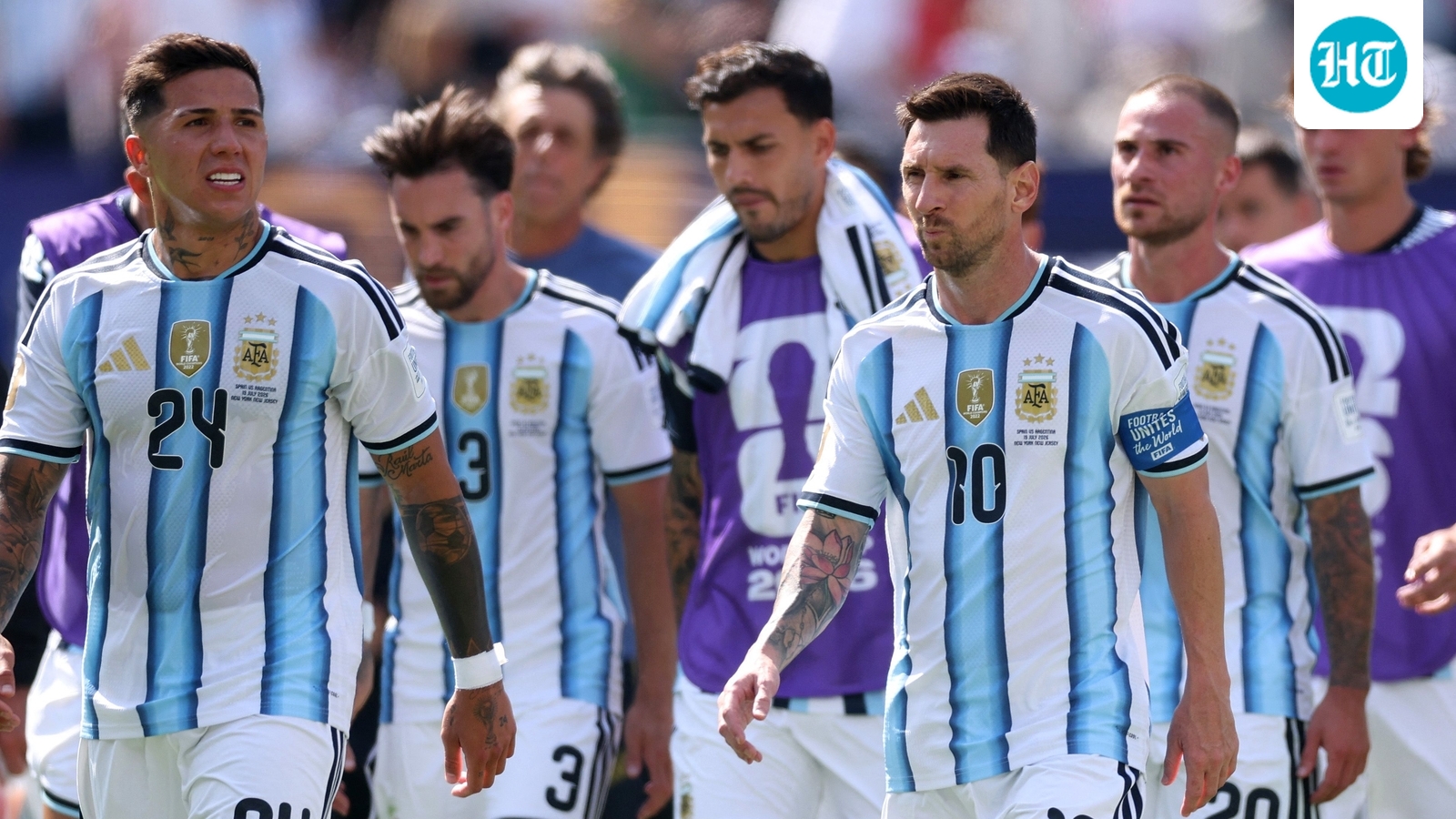
Egypt, the clear underdog, had pushed Argentina to their absolute limits, astonishingly taking a 2-0 lead and standing tantalizingly close – just 11 minutes away – from orchestrating one of the most significant World Cup upsets in recent memory. However, in a stunning late surge, Argentina struck three times through Cristian Romero, Messi, and Enzo Fernandez to secure a dramatic quarter-final berth. Messi, who had earlier missed a crucial penalty, scored the equalizer, followed by Fernandez heading in the stoppage-time winner, seemingly completing a miraculous turnaround.
Yet, the comeback itself was merely one part of a much larger, contentious narrative. Egypt’s camp was left seething over a second-half goal by Mostafa ZiKo that was controversially disallowed following a lengthy VAR check. The review concluded that Marwan Attia had committed a foul on Lisandro Martinez in the build-up phase before Egypt surged forward to score. Adding to their fury, Egypt also vehemently claimed a late penalty after a clear tug on Hamdy Fathy, with their anger escalating when Argentina immediately capitalized on the other end to net the decisive 92nd-minute winner.
Egypt coach Hossam Hassan did not mince words after the match, expressing his profound anger and stating unequivocally that the result was unjust. He insisted his side should have been awarded a penalty. “A goal was disallowed, and I don’t know why it was disallowed,” he declared, adding a dramatic personal touch by stating he would not watch any more games from the tournament in protest.
The controversy swiftly transcended Egypt’s immediate frustration, sparking a broader debate among football pundits and former players. Former England captain Alan Shearer questioned the consistency of the officiating on X, writing: “Either both are fouls or neither is a foul. But they’re not going to re-referee they told us.” His pointed remark encapsulated Egypt’s core grievance: VAR retrospectively punished minimal contact in the lead-up to Zico’s disallowed goal, yet Egypt felt a similar, if not greater, threshold was not applied to their late penalty appeal.
Former England goalkeeper Rob Green, serving as a FOX Sports analyst, delivered even sharper criticism regarding the VAR intervention. Green argued that “someone stepping on someone’s toe” far from goal was not the original intent behind VAR’s introduction to football, suggesting that the technology had overstepped its intended powers, especially after the referee had initially allowed play to continue. Jamie Carragher echoed similar sentiments, questioning the call and implying that if the same incident had occurred “against another team,” the goal would likely have stood. He further posited that in top European leagues like the Premier League, LaLiga, or Serie A, such a goal would probably have survived even a VAR review.
BBC football correspondent Dale Johnson provided a technical critique, asserting that Egypt’s disallowed goal was “completely against how this tournament has been refereed.” Johnson argued that officials could not maintain a lenient standard for minimal contact throughout the match only to then utilize a marginal shirt pull to erase a crucial goal. The outrage was not confined to the football world; chess legend Garry Kasparov accused FIFA of resembling a “corrupt joke” and “playing favorites for stars” after Egypt’s goal was ruled out while Argentina’s winner stood amidst protests. In another post, he scathingly wrote: “Croatia robbed, now Egypt. But you cannot shame the shameless.” Former West Indies all-rounder Carlos Brathwaite also joined the chorus of criticism, writing: “How will I explain to the next generation the robbery we’ve witnessed live in this era?” His reaction highlighted the widespread dismay across the sporting community.
Even former World Cup VAR official Fernando Guerrero weighed in, unequivocally stating that both the referee and VAR were wrong to disallow Egypt’s goal. He maintained there was no foul on the Argentine defender and, even if contact had occurred, the incident should not have been treated as part of the same attacking possession phase, given that Argentina had ample time, space, and defenders in position before Egypt eventually scored. This intense debate has now transformed Argentina’s hard-fought escape into one of the most contentious matches of the entire tournament. For Argentina, it was another demonstration of their indomitable spirit in knockout football. For Egypt, however, it culminated in a night of immense pride, profound pain, and burning fury – a performance that nearly shook the World Cup to its core, but ultimately ended with their players, coach, and a wave of global voices questioning the very fairness and consistent application of the rules.