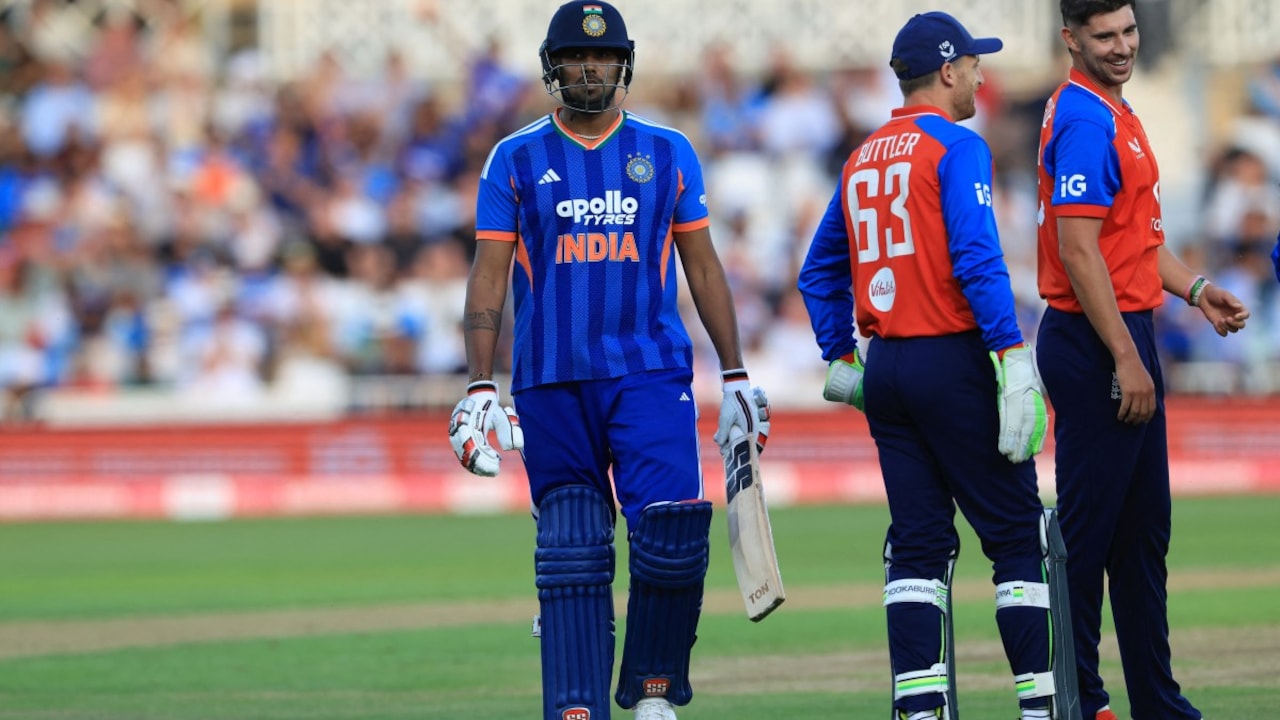
In the third T20I against England, India’s batting imploded after Harshit Rana was promoted before Shivam Dube. Coach Gautam Gambhir’s bold move sparked heated debate among pundits and fans alike.
India suffered a record defeat to England in the third T20 International of the series, and the headline‑grabbing decision was the promotion of uncapped youngster Harshit Rana ahead of seasoned all‑rounder Shivam Dube. Head coach Gautam Gambhir chose to shuffle the batting order at a critical juncture, a move that quickly became the focal point of criticism across the cricketing world.
Match Context and India’s Batting Woes
Going into the third match, India’s top order had already crumbled in the first two games, posting sub‑150 totals and losing wickets at regular intervals. The pressure was palpable when England’s bowlers struck early, and the Indian side was desperate for a breakthrough. In this high‑stakes environment, Gambhir’s decision to send Rana to the crease was perceived as a gamble that backfired.
Gambhir’s Rationale Behind the Shake‑Up
Post‑match, Gambhir defended the decision, stating that the intent was to inject youthful aggression and give Rana a chance to prove himself on the big stage. He cited Shivam Dube’s recent dip in form and the need to experiment with the lineup. While innovation is a hallmark of modern coaching, many analysts argued that a player with no international experience should not be thrust into a pressure‑cooker situation when the team is already on the back foot.
Dinesh Karthik’s On‑Air Reaction and Public Backlash
Commentator and former wicket‑keeper Dinesh Karthik, who was on commentary duty, expressed bewilderment, questioning the management’s confidence in Dube. “If we want to give youngsters a chance, we must do it in a context where they can thrive, not when the team is teetering on collapse,” he said. The remark resonated on social media, where fans and former players labeled Gambhir’s move as “reckless” and “counter‑productive.”
Expert Analysis and Future Implications
Cricket experts warn that abrupt changes to the batting order can destabilise a side’s morale, especially during a losing streak. They suggest that Gambhir should adopt a more data‑driven approach, integrating young talent gradually rather than in crisis moments. The Board of Control for Cricket in India (BCCI) may also need to review its coaching strategies to avoid similar missteps, ensuring that strategic experiments align with the team’s immediate competitive needs.
