Even after a World Cup match ends, fans often leave empty‑handed when it comes to the game ball. This article explores FIFA’s regulations, logistical hurdles, and the growing demand for a more fan‑friendly approach.
The FIFA World Cup is the pinnacle of international football, drawing billions of viewers every four years. Yet, one of the most common fan frustrations is being unable to walk away with the match ball. Below we dissect the rulebook, historical shifts, and emerging alternatives that could reshape this long‑standing policy.
Historical Context
In the early decades of football, distributing the ball to spectators was routine. From the inaugural 1930 tournament through the late 1960s, fans often received the match ball as a souvenir. However, as television rights, sponsorship deals, and security concerns grew, FIFA gradually phased out the practice.
FIFA Regulations and Security Rationale
FIFA’s official competition regulations state that the match ball remains the property of the organizer, the official supplier, and ultimately the authorized retail channel. Public distribution raises the risk of damage, tampering, and loss of branding integrity, which could compromise the quality of balls used in subsequent matches.
Logistical and Financial Factors
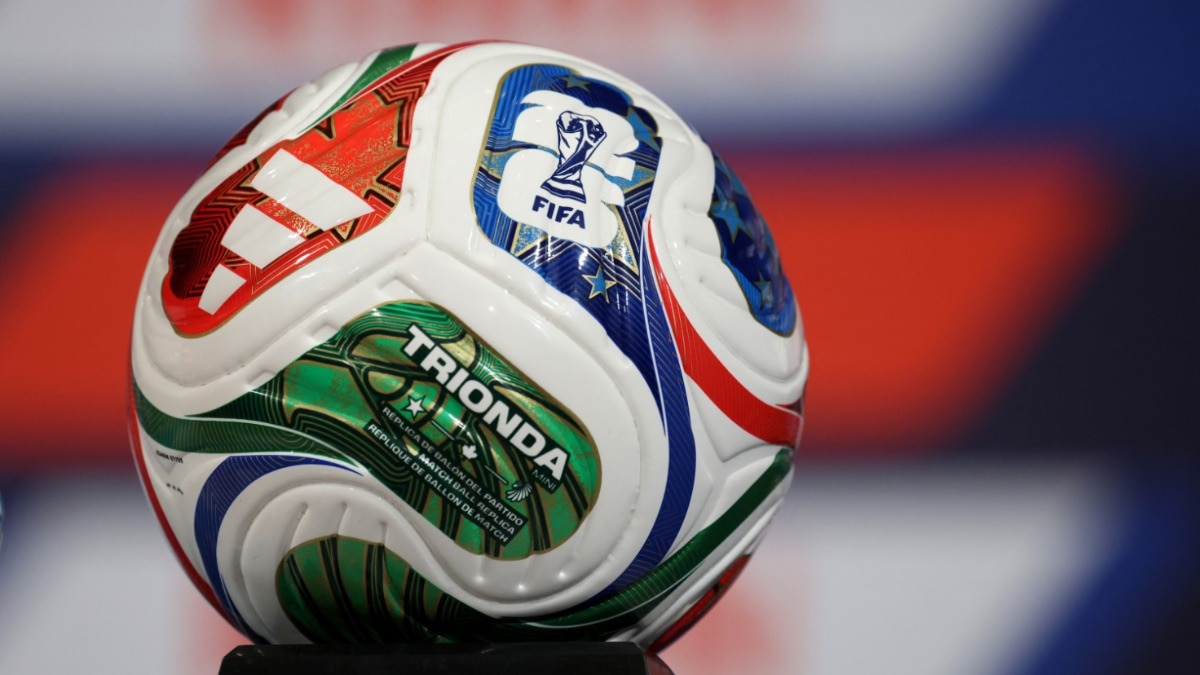
Each World Cup match uses roughly 30‑40 balls, many of which are reclaimed for reuse after rigorous cleaning and quality checks. A single premium ball can cost several hundred dollars, and storing, sanitising, and certifying them requires specialised facilities. Limiting public access helps keep these operational costs manageable.
Fan Expectations and Social Impact
Modern fans crave tangible memorabilia to share on social media. Holding the match ball has become a rite of passage, a personal trophy that fuels online engagement. Recognising this, some host nations have introduced ball‑demo zones, replica giveaways, and limited‑edition merchandise to satisfy the demand while preserving the official ball supply.
Potential Future Changes
Experts suggest that if FIFA can mitigate security risks, a controlled redistribution could return. One proposal involves securing the ball in a locked area post‑match and allowing fans to claim it via a QR‑code transaction, turning the ball into a purchasable or redeemable item. This hybrid model would protect brand rights while granting fans a coveted keepsake.
In summary, FIFA’s ball‑retention policy is driven by safety, financial, and branding considerations, yet the appetite for fan‑centric experiences is prompting innovative solutions.