In the wake of Argentina’s 3-2 victory over Egypt, celebrations in Buenos Aires turned violent, leading to the arrest of nine individuals. The incident raises questions about crowd control and the security protocols during high‑stakes sporting events.
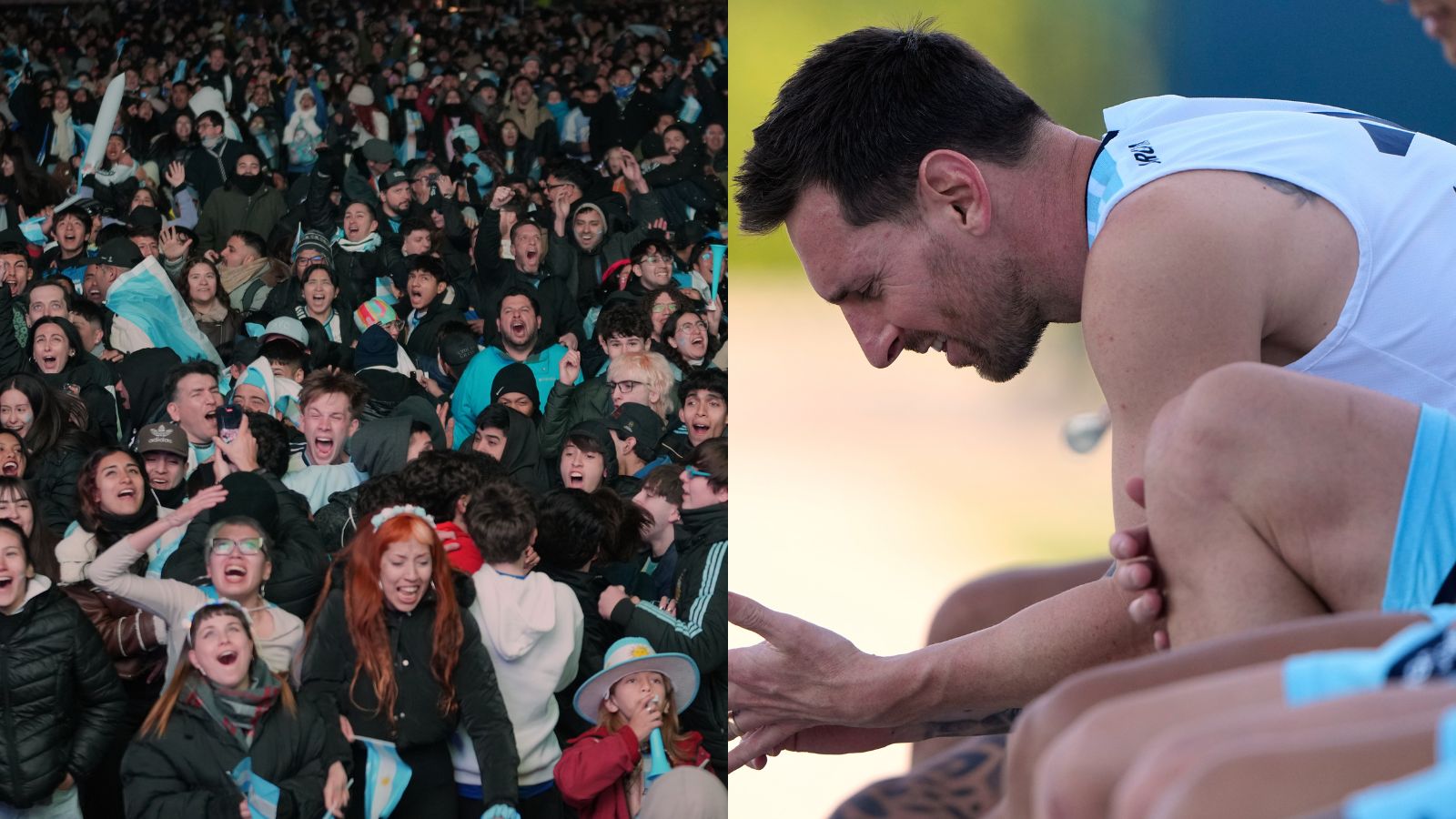
Late on a July night in Buenos Aires, thousands of fans gathered to celebrate Argentina’s improbable 3-2 win over Egypt in the 2026 World Cup. As the jubilant crowd swelled around the iconic Obelisk, the mood quickly shifted when some attendees began throwing bottles and stones at police officers, prompting a rapid law‑enforcement response that culminated in the arrest of at least nine people on charges of assault, resisting authority, property damage and infliction of injuries.
Background of the Match
The match marked a dramatic comeback for the defending champions, who were trailing 2‑0 with just 11 minutes of regulation time left. Enzo Fernández’s stoppage‑time goal sealed the victory, securing Argentina a place in the quarter‑finals and igniting a wave of national pride. For Lionel Messi, a 39‑year‑old veteran, the win could be the final chapter of his illustrious World Cup career.
Security Response and Police Actions
According to the Buenos Aires Times, a large‑scale security operation was maintained around the Obelisk and surrounding streets. Police sources indicated that many of the rioters were visibly intoxicated, and authorities are still investigating the precise trigger for the unrest. The incident underscores the challenges of crowd management in high‑profile sporting events.
Political and Social Implications
President Javier Milei celebrated Messi’s comeback on social media, yet the subsequent violence highlights a growing concern over public safety during celebratory gatherings. While the win has bolstered national morale, the riots raise questions about the adequacy of security protocols and the need for a more coordinated approach between law enforcement and event organizers.
Argentina’s next match is against Switzerland in Kansas City, Missouri. This episode serves as a stark reminder that the euphoria of sport can quickly give way to disorder if not carefully managed.