Israeli Prime Minister Benjamin Netanyahu stated his support for Argentina at the 2026 FIFA World Cup stems from President Javier Milei, not Lionel Messi. The comment intertwines geopolitics with sport, highlighting a diplomatic motive behind a football preference.
Israeli Prime Minister Benjamin Netanyahu recently clarified on a popular podcast that his wish for Argentina to clinch the 2026 FIFA World Cup is driven by admiration for Argentine President Javier Milei, not by the presence of Lionel Messi. The remark sparked conversation across both political and sporting circles.
Direct Response on The Mojo Podcast
During a light‑hearted episode of “The Mojo Podcast,” hosted by Israeli comedian Ben Ben Baruch, the host asked, “Messi?” Netanyahu instantly replied, “No, before Messi, Milei. He’s a superstar.” He praised Milei as a “superstar” who champions a free‑market economy and emphasized that Milei is a “great friend of Israel.”
Background of Milei‑Israel Relations
Since taking office in late 2023, President Milei has publicly expressed strong support for Israel, aligning with its security stance in the Middle East and advocating for economic reforms favorable to Israeli investors. This diplomatic overture has deepened bilateral trade, technology exchange, and strategic cooperation, earning Netanyahu’s public commendation.
Sport as a Diplomatic Platform
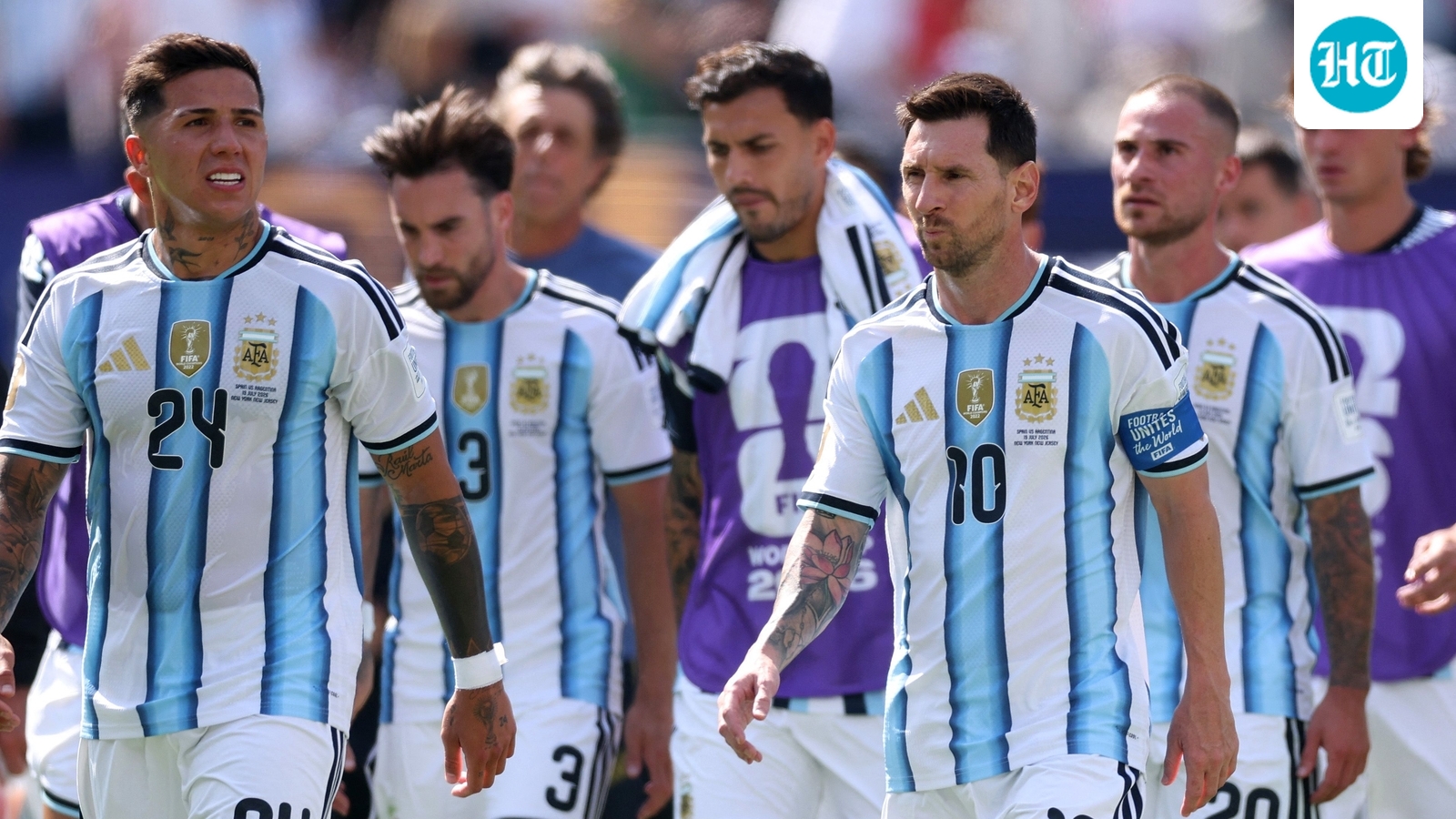
Argentina entered the 2026 World Cup as the defending champion, with Messi—now in his late thirties—still captaining the side. Yet Netanyahu’s focus on Milei rather than Messi underscores a growing trend: major sporting events are increasingly used as stages for political messaging. By linking his World Cup preference to a foreign leader, Netanyahu signals that Israel’s foreign policy considerations extend into the realm of global sport.
Implications for Future Relations
If Argentina were to win, the victory could reinforce Israel‑Argentina ties, potentially unlocking further economic collaboration and joint ventures in technology and infrastructure. Conversely, Netanyahu’s statement may set a precedent for other world leaders to leverage sports fandom as a subtle diplomatic tool, reshaping how international audiences interpret political endorsements.
Overall, the episode illustrates that modern geopolitics often rides on the back of high‑profile tournaments, turning football pitches into unexpected arenas for international dialogue.