In a dramatic Round‑of‑16 clash at the 2026 FIFA World Cup, Argentina overturned a 2‑0 deficit in just 13 minutes to win 3‑2. The Egyptian Football Association has condemned what it calls biased officiating and vowed not to stay silent.
Argentina staged one of the tournament’s most astonishing comebacks in the Round‑of‑16, scoring three unanswered goals within 13 minutes to defeat Egypt 3‑2 at the 2026 FIFA World Cup. In the aftermath, the Egyptian Football Association (EFA) issued a forceful statement declaring that it “cannot remain silent” about what it perceives as unfair and biased refereeing.
Key Match Incidents
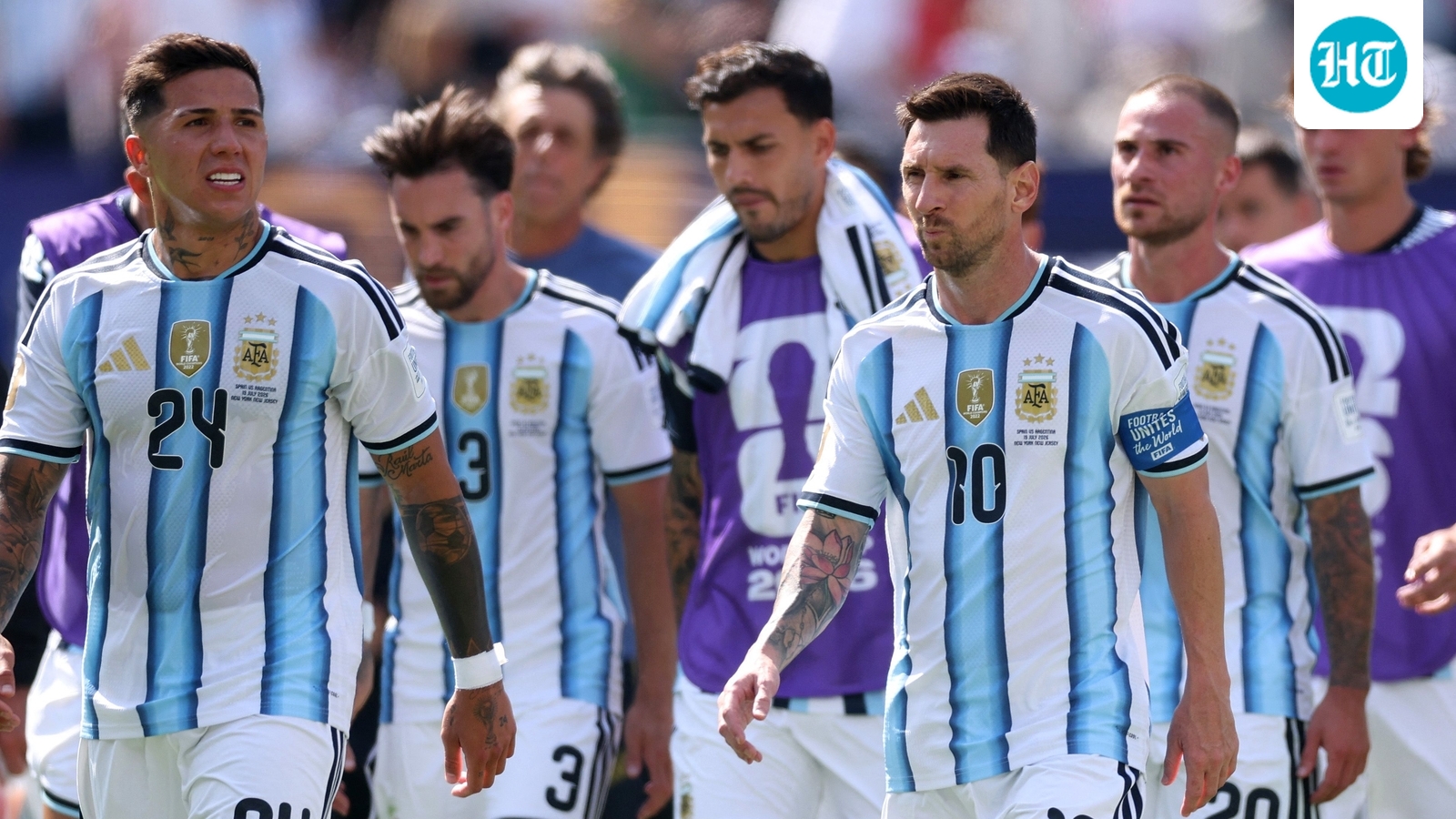
Egypt appeared to have restored a second‑minute lead in the 58th minute, but a VAR review ruled that Marwan Attia had fouled Argentine defender Lisandro Martínez prior to the strike, nullifying the goal. Moments later, Mostafa Ziko scored the third Egyptian goal, putting the team 2‑0 ahead. The tide turned dramatically when Lionel Messi assisted Cristian Romero in the 79th minute, triggering a cascade of three consecutive Argentine goals.
EFA’s Formal Complaint
In its official communiqué, the EFA stressed, “Defending the rights and interests of the Egyptian national team is not a matter that can be ignored or minimized.” The federation accused the referee of misusing the VAR system, arguing that critical decisions directly altered the match’s trajectory. It highlighted several “key incidents” that raised “serious concerns” about consistency and fairness.
Coach and Players React
Coach Hossam Hassan raised his arms in an “X” to protest perceived racial abuse and later accused the football establishment of favoring Messi and Argentina. He labeled his squad victims of a biased system. The match climax saw Egypt’s goalkeeping coach Saafan Elsaghir shown a red card, while multiple Egyptian players received yellow cards, further fueling the sense of injustice.
Implications for Future Tournaments
The EFA’s outcry underscores a broader demand for transparent VAR protocols and stricter referee accountability on football’s biggest stage. Analysts warn that if governing bodies ignore such grievances, controversies could proliferate, eroding confidence in the sport’s fairness and potentially prompting reforms in officiating standards.