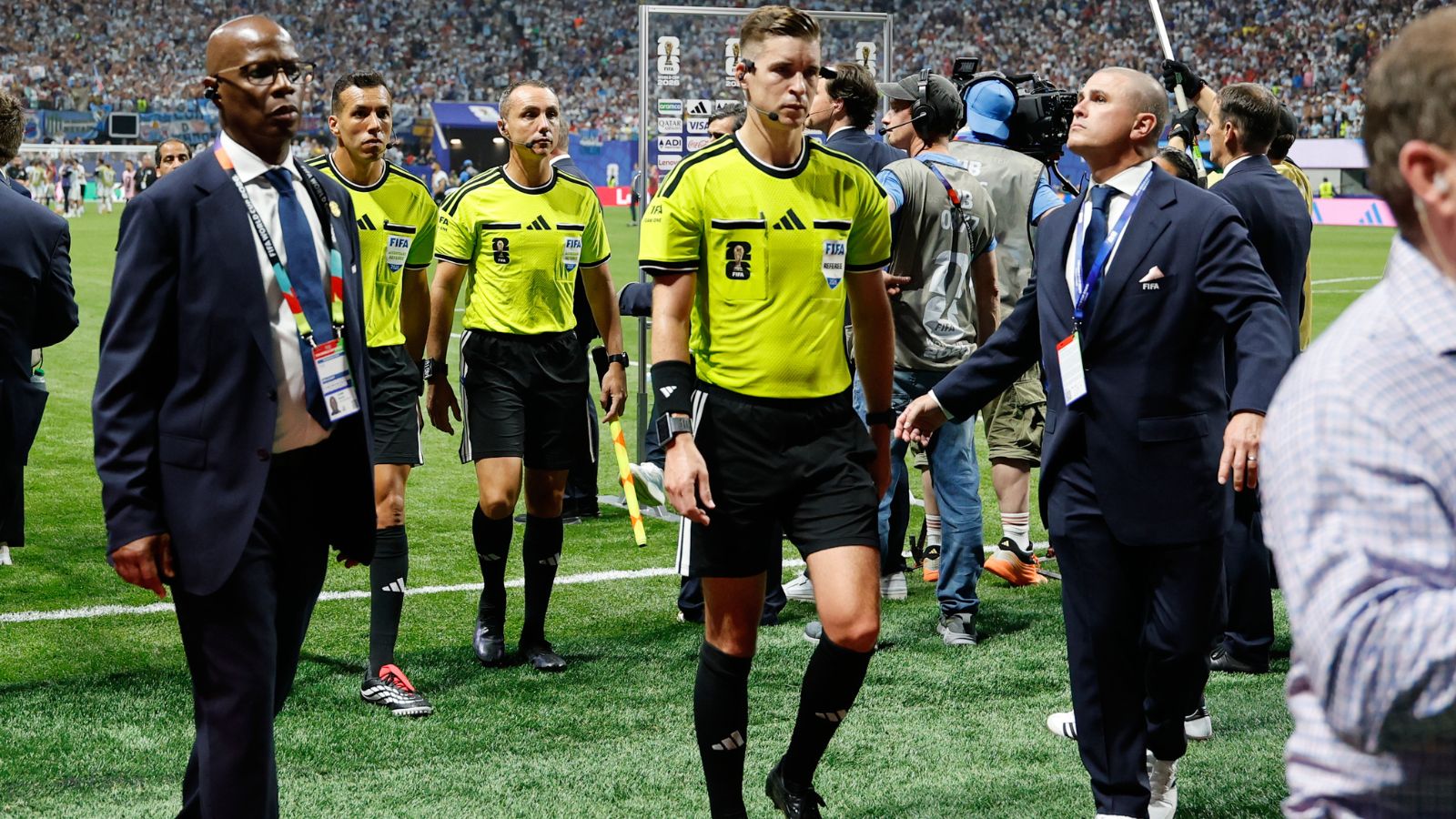
After a controversial series of decisions against Egypt in the 2026 World Cup round‑of‑16, the French referee Francois Letexier faced a formal complaint. FIFA has upheld his integrity while leaving his future assignments uncertain.
In the July 7, 2026 round‑of‑16 encounter between Argentina and Egypt, referee Francois Letexier sparked a firestorm when he disallowed an Egyptian goal, dismissed a penalty appeal, and sent off an assistant coach. The incident prompted the Egyptian federation to file a formal request for his removal from the rest of the tournament.
A Dual‑Career Referee
Letexier is not only a football official; he also works as a huissier de justice, a French bailiff who enforces court orders and handles eviction cases. He describes the similarity between the two roles: both demand a presence that can be unwelcome and require swift adaptation to intense emotions.
Egypt’s Complaint and FIFA’s Response
While the Egyptian federation pressed for Letexier’s dismissal, FIFA’s refereeing chief Pierluigi Collina dismissed the criticism as “baseless,” emphasizing the protection of officials from threats. The decision to keep Letexier on the bench remains pending, with FIFA’s policy typically excluding referees from countries still in competition.
Implications for Future Matches
Historically, referees who face backlash—such as 2002’s Byron Moreno—often lose future appointments. Yet Letexier, named world’s best referee in 2024 by IFFHS, is a 37‑year‑old professional who may be spared if FIFA deems him fit for upcoming games.
Past Controversies and Personal Resilience
In 2022, a disputed penalty and two red cards in a Ligue 1 fixture earned Letexier death threats, echoing the emotional weight he now bears on the world stage. His dual career illustrates how a single decision can ripple beyond the pitch.
Ultimately, the episode underscores the precarious balance FIFA must maintain: safeguarding referees’ integrity while confronting the volatile intersection of sport, politics, and public opinion.