The 2026 tournament laid bare the inevitable aging of football's once‑seemingly immortal stars. Ronaldo, Modric and Neuer confront physical limits, while Messi’s lingering brilliance offers a stark contrast. The event becomes a mirror for our own passage through time.
As the 2026 FIFA World Cup draws to a close on the streets of Toronto, a quiet melancholy settles over fans worldwide—not from a team's defeat, but from the inevitable convergence of time with the sport’s most revered icons. The narrative of this tournament is less about goals scored and more about the subtle erosion of bodies that once seemed beyond mortality.
Legends on the Decline: Ronaldo, Modric, Neuer
Portugal’s Cristiano Ronaldo, a name synonymous with relentless goal‑scoring for over two decades, now shows signs of the wear that elite athletes eventually endure. Slower accelerations, lingering muscle strains, and longer recovery periods betray the once‑unquestionable stamina that defined his play. Croatia’s Luka Modrić, celebrated for his delicate yet defiant midfield artistry, feels the weight of age in every stride. Germany’s Manuel Neuer, the former ‘sweeper‑keeper’ who re‑imagined goalkeeping, no longer commands the same aura of invincibility.
Messi’s Defiant Persistence
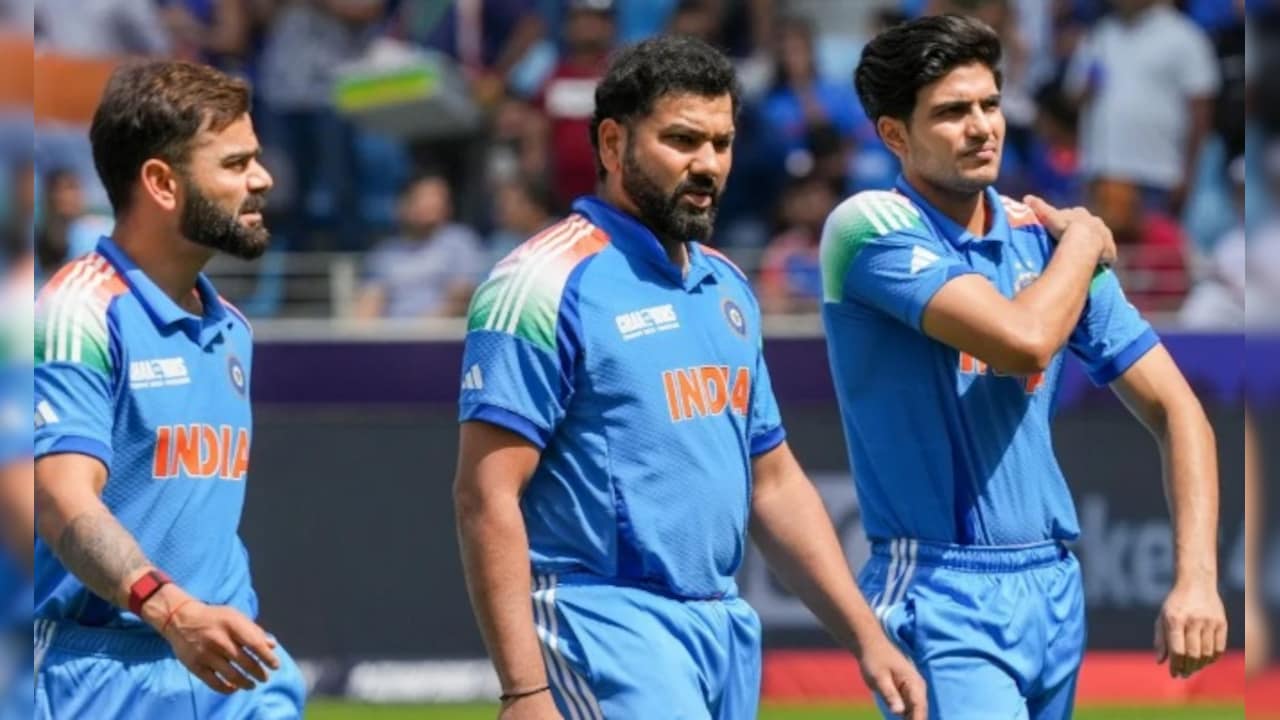
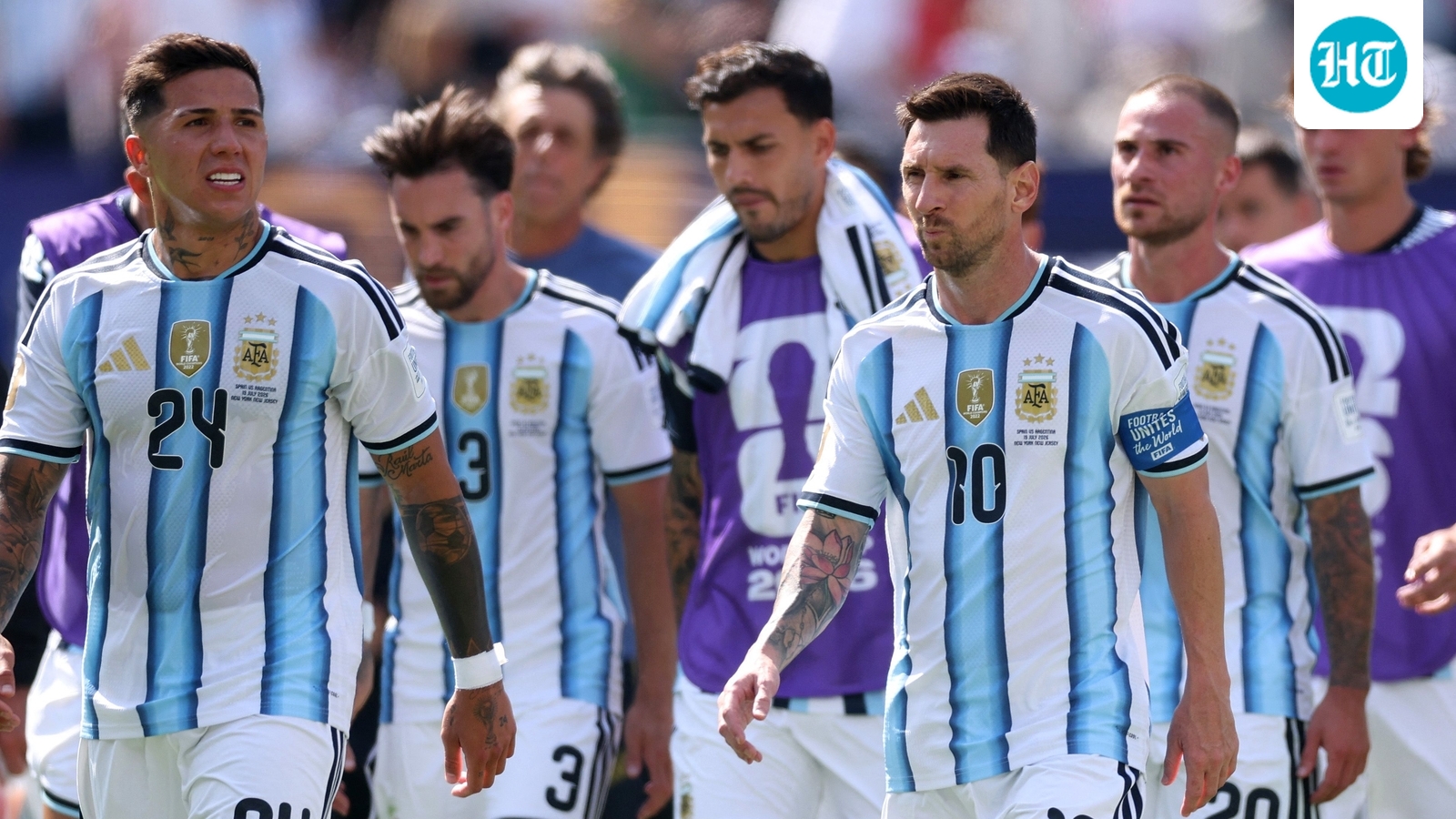
Amid these fading silhouettes, Argentina’s Lionel Messi remains a living paradox—still defying the usual constraints of aging, as if he has discovered a private loophole in the physics of sport. His teammates play with a heightened sense of purpose, not merely chasing a trophy but ensuring that Messi’s eventual farewell is dignified, echoing the reverence once afforded to cricket legend Sachin Tendulkar during his twilight years.
Societal Reflections on Athletic Mortality
The decline of these football gods mirrors our own confrontation with mortality. In youth, they appeared eternal, their brilliance woven into the fabric of personal milestones—first loves, career breakthroughs, family gatherings. As they age, the stark reality of our own greying hair, stiff backs after long flights, and aching knees becomes palpable through their public struggles. When Modrić’s once‑fluid glide becomes a laborious shuffle, or Ronaldo’s explosive bursts falter, we are reminded that the same physical limits await us all.
Conclusion: Icons as Milestones of Life
Great athletes transcend medals; they become temporal landmarks that stitch together chapters of our lives. Their retirements signal not only the end of a career but also the passage of a generation’s collective memory. The 2026 World Cup, therefore, is as much a celebration of sport as it is a contemplative reminder that time spares no one, and in that truth lies the profound resonance of the beautiful game.