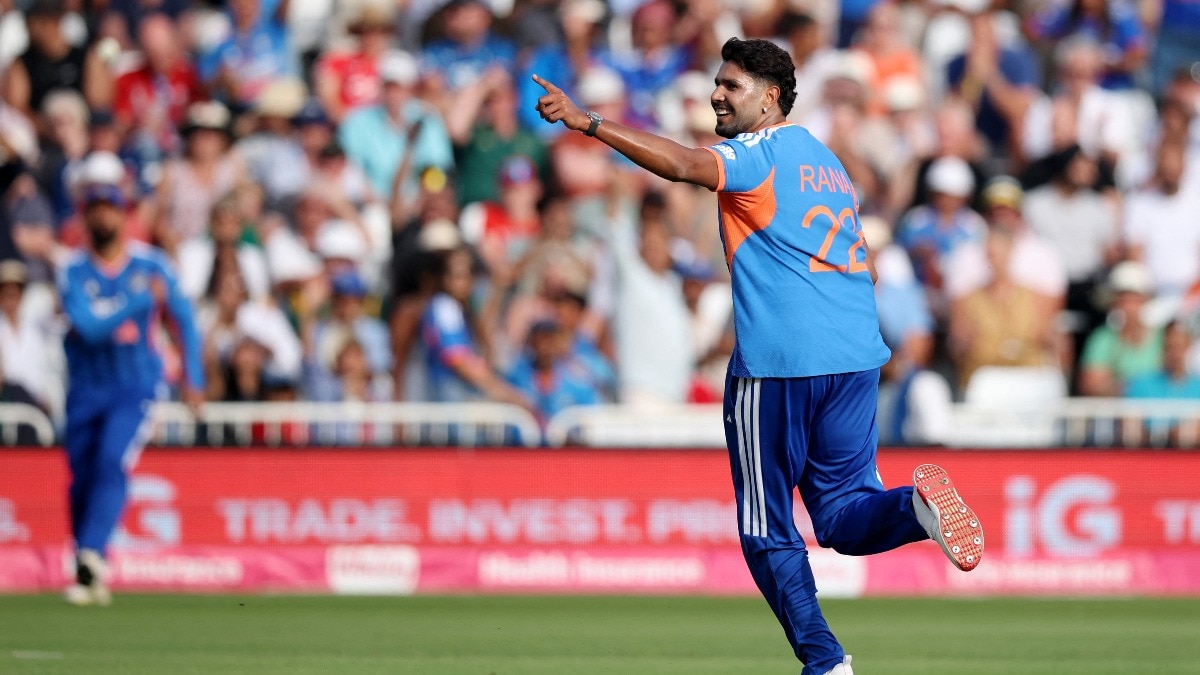
India’s leading pacer, after a four‑month injury hiatus, made a brief comeback before being ruled out again. The setback forces the selectors to rethink their pace options ahead of upcoming series.
In a cricket‑obsessed nation where fast bowling has become a cornerstone, the sudden loss of a premier pacer sends ripples through team planning. The bowler, who had been sidelined for roughly four months due to a serious back‑muscle strain, returned to the domestic circuit with high expectations, only to suffer a relapse that forced the board to withdraw him from the forthcoming international schedule.
Injury Timeline and Rehabilitation
The injury first surfaced in late 2023, when the fast bowler—widely regarded as one of India’s most lethal weapons—experienced a sharp pain in his lower back during a high‑intensity training session. Team physiotherapist Dr. Ajay Singh oversaw a comprehensive rehab program that included physiotherapy, strength conditioning, and a gradual return‑to‑play protocol. By early March, the player was declared fit and cleared for competitive action.
What Triggered the Second Setback?
After two matches in the domestic season, the bowler reported a familiar ache. Medical scans confirmed a recurrence of the original muscle strain, prompting an immediate halt to his bowling workload. The board, prioritising long‑term health over short‑term gains, opted to keep him out of the upcoming series against England and Australia.
Implications for Team Composition
India’s pace arsenal has relied heavily on the likes of Jasprit Bumrah, Mohammed Shami and other frontline speedsters. With another key pacer unavailable, the selectors must lean on emerging talents such as Ravi Bishnoi and Nihal Kumar, while also re‑balancing the spin‑bowling contingent. Analysts warn that over‑reliance on a thin fast‑bowling pool could expose the side in overseas conditions where pace and bounce are decisive.
Future Outlook and Recovery Path
Medical staff estimate a minimum two‑month rest period before the bowler can resume full training. The recovery plan emphasizes gradual load increase, targeted strength work, and regular biomechanical assessments to prevent future flare‑ups. The BCCI has reiterated its commitment to player welfare, stating that long‑term fitness will dictate selection decisions.
In the broader context, this episode underscores the need for robust injury‑prevention frameworks within Indian cricket. As the game evolves, managing player workloads and integrating sports‑science insights will become as crucial as tactical acumen on the field.