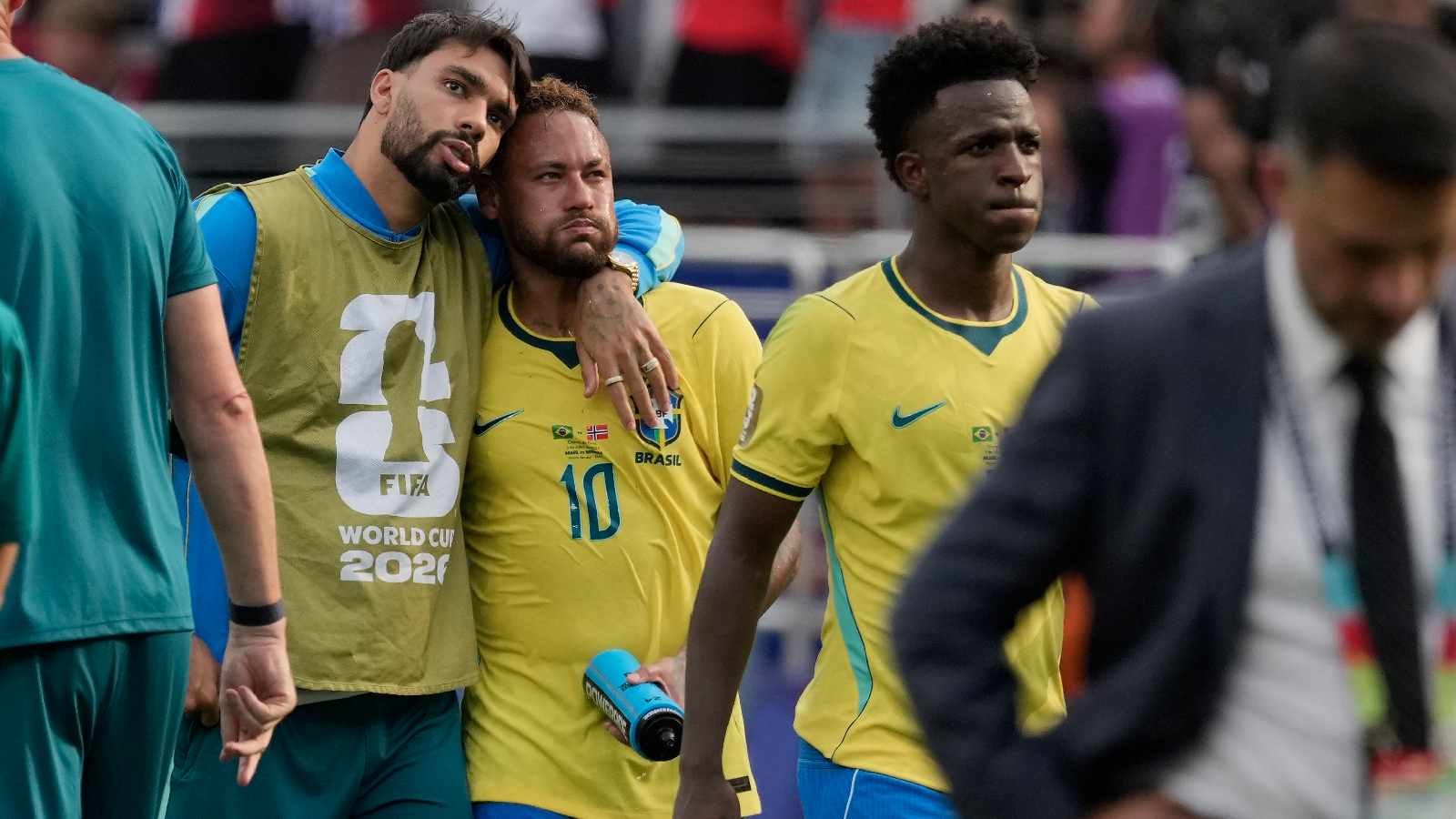
Following Brazil’s 2‑1 defeat to Norway in the World Cup round‑of‑16, Pele’s daughter Kely Nascimento called the nation’s football system ‘broken’, pointing to corruption and a closed ecosystem. The loss marks Brazil’s first failure to reach the quarter‑finals since 1990, prompting calls for structural reforms.
In a candid interview after Brazil’s shock 2‑1 loss to Norway at the 2026 FIFA World Cup, Kely Nascimento, daughter of the legendary Pele, declared that “Brazilian football is broken.” Her remarks come amid growing frustration over a system she describes as a “closed, incestuous ecosystem” plagued by corruption and a lack of transparency.
From Glory to Stagnation
Brazil’s five‑time World Cup triumphs (1958, 1962, 1970, 1994, 2002) have cemented its reputation as a football superpower. Yet the last two decades have revealed cracks: a humiliating 1‑7 defeat to Germany in the 2014 semi‑final, a quarter‑final exit in 2018, and now a round‑of‑16 elimination in 2026 – the first time the Seleção has missed the quarter‑finals since 1990.
Deep‑Rooted Structural Issues
Nascimento highlighted that the problems run deeper than on‑field performance. She cited endemic corruption, opaque selection committees, and an insular club network that prevents fresh ideas from entering. Experts echo these concerns, noting the widening financial gap between elite clubs and grassroots academies, inadequate youth facilities, and political interference that often sidelines deserving talent.
Coach Carlo Ancelotti’s Take
Head coach Carlo Ancelotti acknowledged the disappointment, but stressed the need for a generational reset. “We have to move some players, bring in young talent, and create a pipeline for the national team,” he said, framing the defeat as fuel for the next cycle. His call for high‑level players and a more transparent talent pipeline aligns with Nascimento’s demand for systemic overhaul.
Looking Ahead
The defeat has ignited a national debate about the future of Brazilian football. Stakeholders argue that sustained investment in youth development, stricter governance, and a transparent selection process are essential to restore Brazil’s dominance. If these reforms materialize, Brazil could once again translate its abundant talent pool into World Cup glory, echoing the legacy of Pele himself.