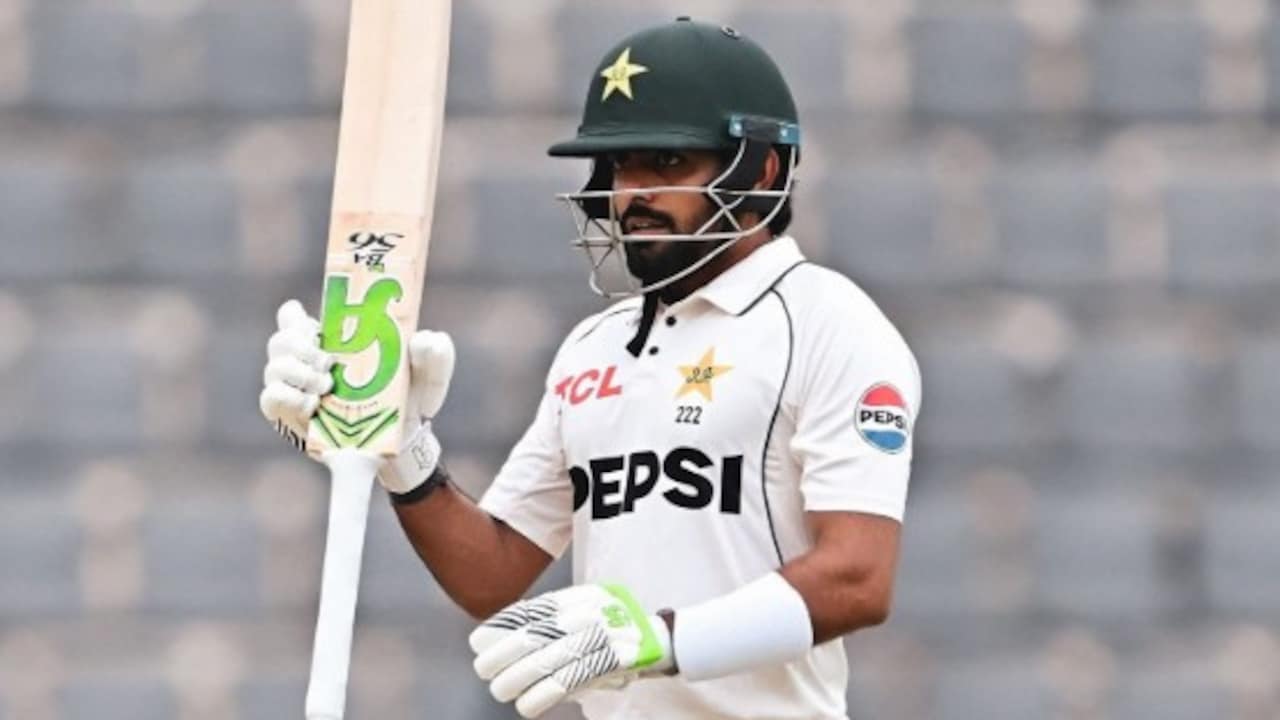
Senior PCB selector Aaqib Javed has slammed Shan Masood's leadership and management failures, paving the way for Babar Azam's return to Test captaincy.
The landscape of Pakistan Test cricket has undergone a seismic shift following the decision to replace Shan Masood with Babar Azam as the captain. While the move aims to restore stability, the underlying reasons point toward a deep-seated crisis in both leadership and tactical execution within the national side.
The Aaqib Javed Critique
The controversy has been fueled by explosive comments from senior PCB selector Aaqib Javed. Javed has pointed the finger directly at Masood's leadership, citing a chronic inability to manage games effectively during high-pressure situations. More importantly, Javed did not spare the team management, suggesting that the failures were not limited to the captain alone but were symptomatic of a broader lack of strategic foresight at the administrative level.
A Pattern of Tactical Failures
During Masood's tenure, Pakistan struggled to maintain momentum in crucial Test sessions. Critics have noted a recurring pattern of poor bowling rotations and a failure to adapt field placements to suit the pitch conditions. This lack of 'game management'—a term frequently used by Javed—has left the team vulnerable to collapses, both with the bat and the ball. The selectors appear to have concluded that the current structure is incapable of producing the tactical nuances required for the longest format of the game.
The Return of Babar Azam
The reinstatement of Babar Azam is seen as an attempt to leverage his immense individual stature and cricketing intelligence to stabilize the dressing room. While Babar's captaincy has faced scrutiny in the past, his ability to lead by example through his batting remains his greatest asset. The big question remains: Can the PCB fix the systemic issues that plagued Masood's era, or will Babar be forced to fight the same management that failed his predecessor?