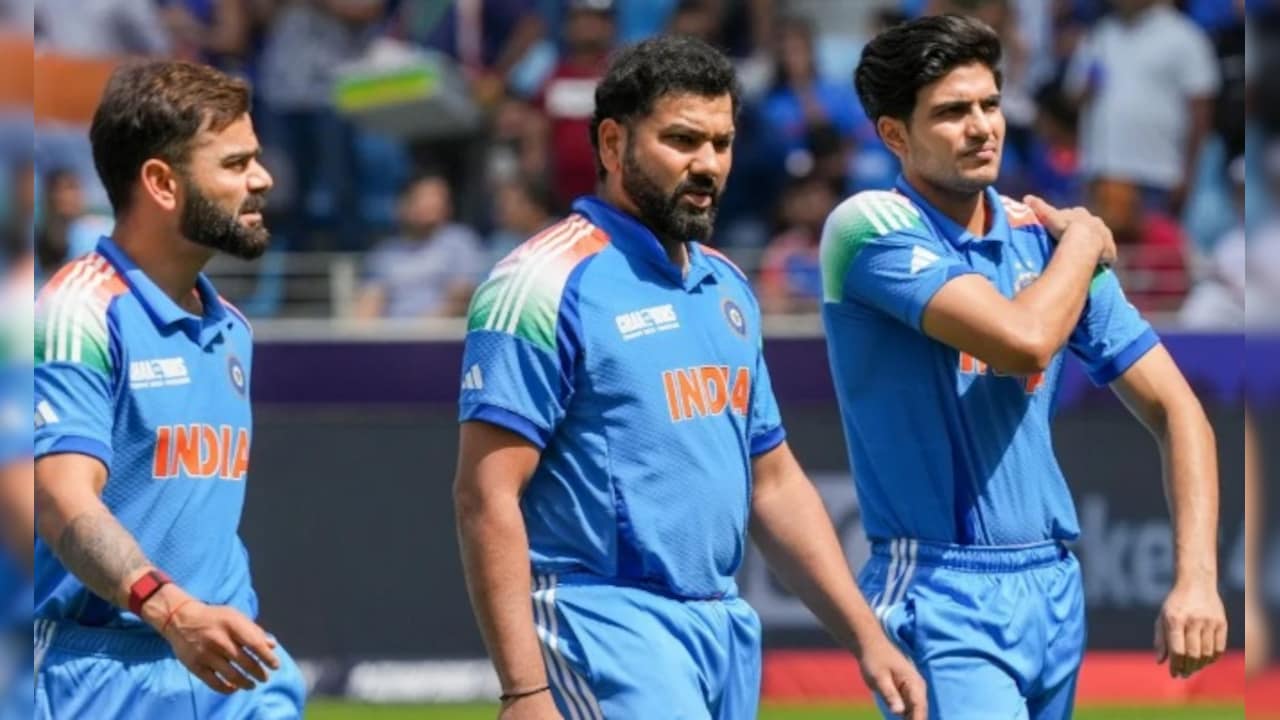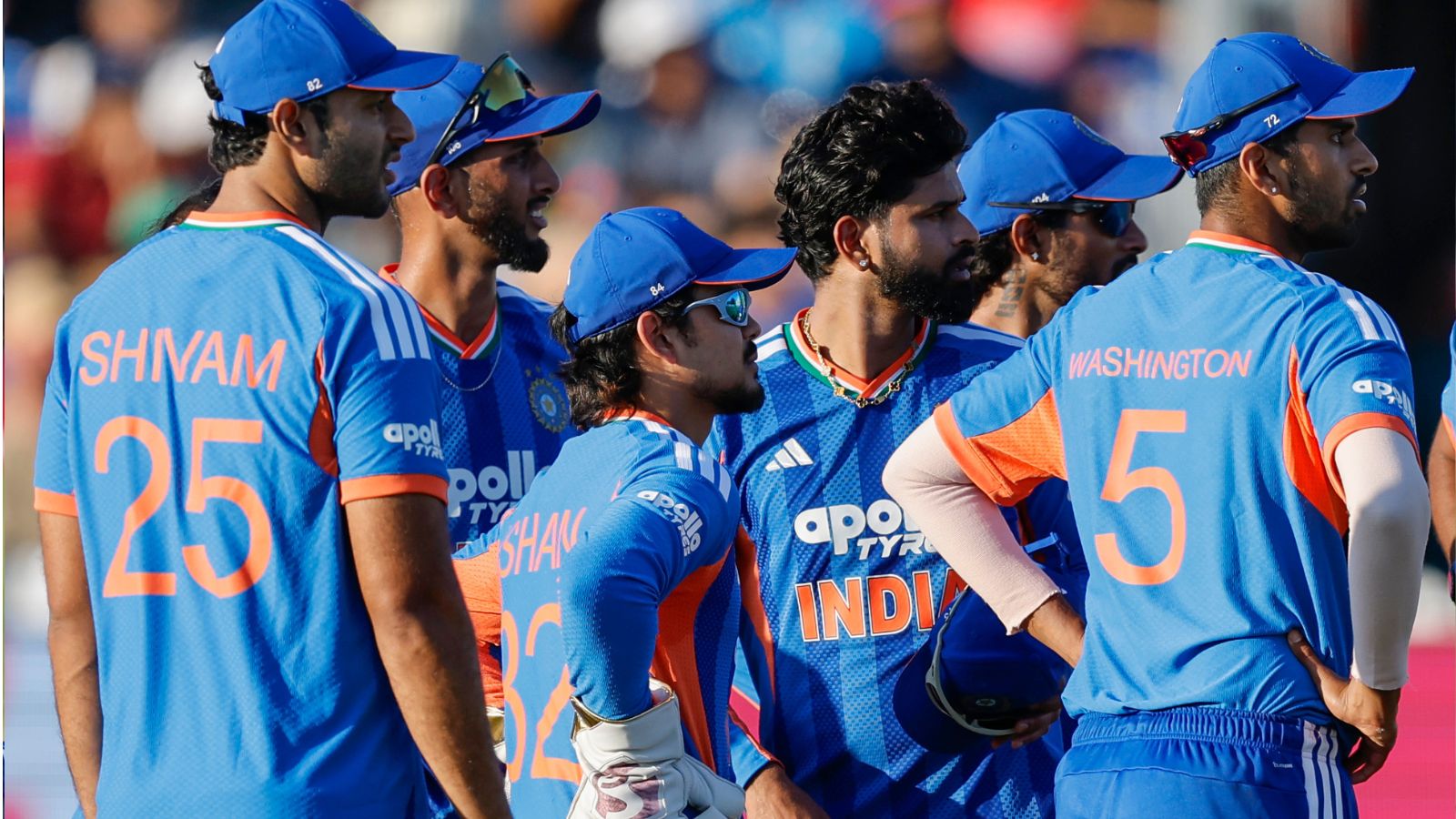
Suryakumar Yadav went from World Cup hero to being left out in just four months. The 76‑run collapse at Trent Bridge shows the problem is not form but India's inability to adapt to pace and bounce.
Key Takeaways
- Suryakumar’s fall is a symptom of a deeper tactical flaw, not just personal form.
- India’s 76/10 at Trent Bridge highlights a technical deficiency against seam and bounce.
- BCCI’s upcoming review will need to address a new batting methodology, not merely a temporary dip.
Four months after lifting the T20 World Cup trophy in Ahmedabad, Suryakumar Yadav found himself watching from the sidelines as India struggled at Southampton. The team’s dismal 76‑run total at Trent Bridge was not a mere loss of form; it exposed a fundamental methodological problem – a batting approach that works only when the pitch is forgiving.
Trent Bridge Collapse: Numbers and Nuances
In the powerplay alone, India lost five wickets for 54 runs – the earliest five‑for ever recorded in a men’s T20I. Mistimed edges from Abhishek Sharma, a missed bouncer by Vaibhav Sooryavanshi, and consecutive dismissals of Ishan Kishan and Shreyas Iyer at deep backward square leg underscored a shared flaw: “We committed to attack without respecting the extra pace and bounce.” As Iyer admitted post‑match, “Execution was awful; we lacked a clear pacing plan.”
From Cautious to Aggressive: A Strategic Shift Gone Awry
Historically, India’s T20I batting was cautious, even though the IPL nurtured aggressive instincts. The shift began after the 2023 ODI World Cup, culminating in back‑to‑back T20 World Cups. That strategy succeeded on placid surfaces but crumbled when the pitch fought back. English batters adjusted to the same conditions without panic, while India’s mental readiness to change approach was absent, as assistant coach Ryan ten Doeschate plainly noted.
Selection Gaps and the Fear Factor
Only Suryakumar was dropped from the triumphant Ahmedabad squad; Bumrah and Pandya rested, not injured. The absence of Kuldeep, Rinku, and Siraj further weakened the side, but the core remained recognizable. Yet the looming fear – exemplified by sudden omissions of Yadav and Sanju Samson – sends a chilling message: no place is secure, and high‑risk batting cannot thrive under such pressure. Fear erodes fluency, and whispers of insecurity already echo in the dressing room.
BCCI’s Stance and the Road Ahead
BCCI secretary Devajit Saikia called the results “not abnormal, just a bad phase” and promised a review after the ODI series ends on July 19, focusing strictly on “team performance.” The specificity hints that the board anticipates scrutiny beyond form – it will probe whether a side that discovered one ferocious gear in Ahmedabad can develop a second, more versatile one. Whether India salvages pride at Southampton or not, the real test will be its ability to diversify its batting repertoire rather than revert to the cautious tactics of 2023.