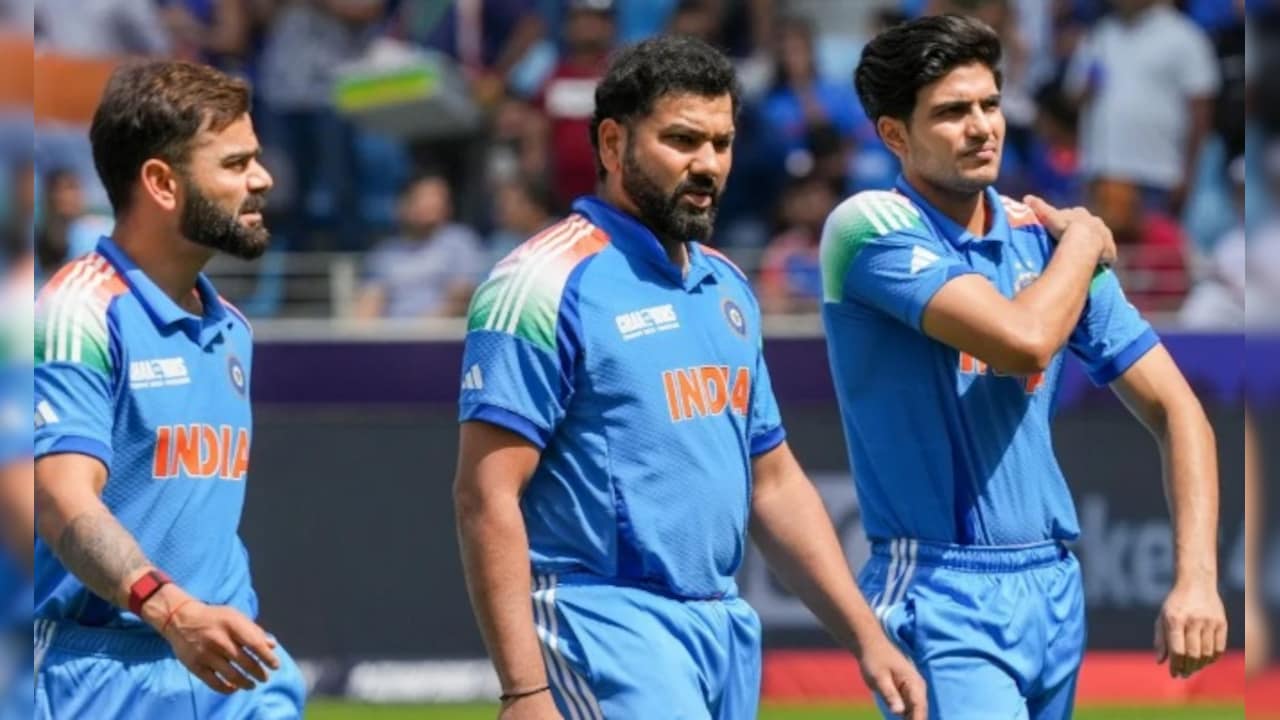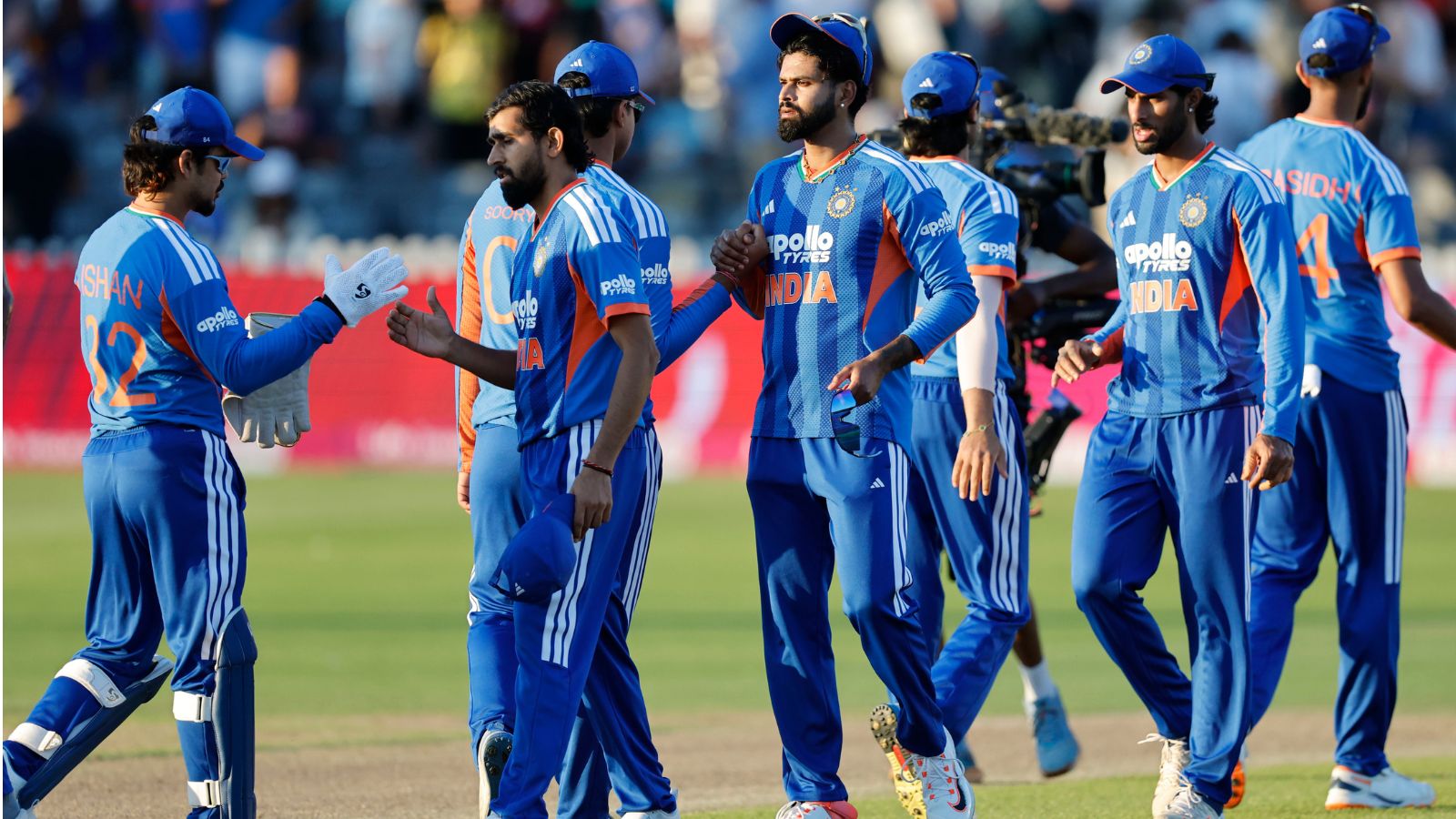
India's T20 side suffered a 3-0 defeat in England, prompting the BCCI to schedule a performance review on July 19. Secretary Devajit Saikia called the slump temporary, but stressed the need to address technical shortcomings.
मुख्य बिंदु (Key Takeaways)
- India’s T20 team lost 3-0 to England
- BCCI has set a comprehensive review for July 19
- The review will focus solely on cricket‑related issues
The Board of Control for Cricket in India (BCCI) has decided to conduct a thorough assessment of the men’s T20 side after a disappointing tour of England. Secretary Devajit Saikia said on Friday that the results are not abnormal, describing the situation as “a purely bad phase.” The 3-0 loss in the five‑match T20 series, combined with a 2-0 defeat in the preceding Ireland series, has exposed the batting line‑up’s difficulty in adapting to overseas conditions.
Tour Overview and Context
India entered England as the reigning T20 World Cup champions, yet the team's top order repeatedly fell prey to the pace and bounce offered by English pitches. The bowling unit also struggled to contain England’s aggressive batting order, widening the performance gap. These on‑field struggles have reignited debate over the decision to replace Suryakumar Yadav with Shreyas Iyer as T20 captain just before the Ireland and England tours.
BCCI’s Review Blueprint
Saikia clarified that the upcoming meeting on July 19 will be strictly confined to cricketing matters. “The review meeting will be strictly about the performance of the team and how course correction can be done with regards to shortfalls. Nothing else will be discussed,” he emphasized. Core team members, coaches, and performance analysts will be invited to pinpoint deficiencies in both batting and bowling, and to propose actionable improvements.
ODI Series as a Litmus Test
Following the final T20 on Saturday, India will shift focus to a three‑match ODI series starting July 14 and ending July 19. The BCCI hopes the longer format will allow the side to regain confidence and form before the review. Iyer, acknowledging the transition phase, said, “Mistakes will definitely make the youngsters realise how important it is to adapt when you come in overseas conditions.”
Implications for the Future
If the review does not translate into tangible changes, the board may have to reconsider coaching personnel, selection policies, and even captaincy choices ahead of the next T20 World Cup cycle. Cricket analysts argue that the tour underscores the necessity for Indian players to develop a more adaptable skill set abroad, a lesson that could shape the team’s long‑term strategy.