The Board of Control for Cricket in India (BCCI) announced an immediate, detailed review of the men's T20I team once the England tour ends. Following a string of white‑ball defeats, the board aims to pinpoint flaws and implement corrective measures.
मुख्य बिंदु (Key Takeaways)
- BCCI will launch an immediate review of India's T20I performance after the England tour
- Recent white‑ball losses have exposed batting, bowling and fielding deficiencies
- The comprehensive analysis will drive strategic, selection and preparation changes
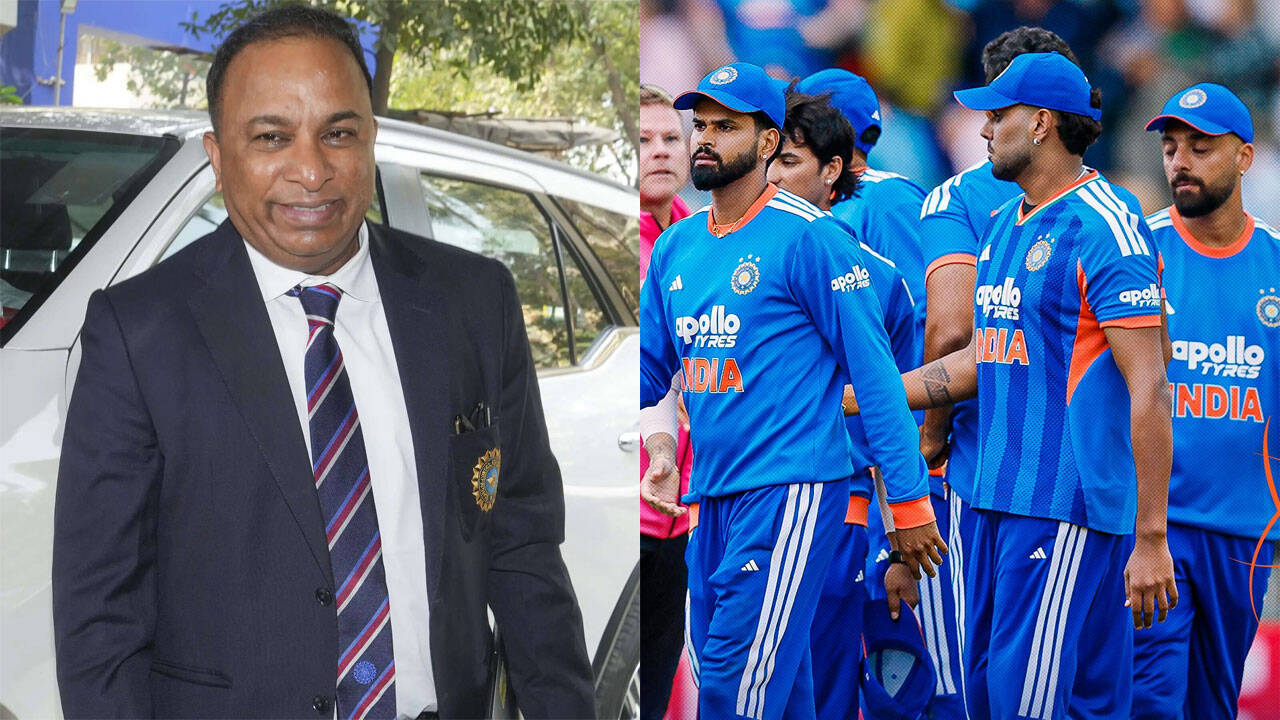
New Delhi – As the five‑match T20 series in England draws to a close, India’s white‑ball fortunes have hit a low point, prompting the Board of Control for Cricket in India (BCCI) to order a full‑scale review of the men's T20I side. Secretary Devajit Saikia, speaking at the ICC Annual Conference in Edinburgh, confirmed that the assessment will begin the moment the final ODI on July 19 concludes.
Backdrop of a collapsing campaign
India entered the England tour on the back of a historic 0‑2 white‑ball series loss to Ireland. The situation worsened when England secured a commanding 3‑0 lead in the five‑match series, including a nine‑wicket drubbing in Bristol. Shreyas Iyer’s unbeaten 80 was the lone silver lining in a 158/7 total, as England’s Harry Brook (79*) and Phil Salt (59*) chased down the target with six overs to spare.
Key issues identified by analysts
Cricket pundits point to three primary fault lines: 1) Inability of Indian batters to negotiate seam‑friendly English conditions; 2) The absence of all‑rounder Hardik Pandya and pace spearhead Jasprit Bumrah, which left the bowling attack thin; 3) Fielding standards that fell short of what a reigning T20 World Cup champion should display. These deficiencies not only cost matches but also eroded the squad’s confidence.
What the BCCI review will entail
Saikia outlined a data‑driven, multi‑disciplinary approach. Technical analysts, sports scientists and senior coaches will dissect every player's performance metrics, fitness data, and psychological readiness. The findings will inform potential changes to selection policy, training regimens, and the broader international calendar, ensuring that corrective actions are both targeted and measurable.
Implications for the future
If executed rigorously, the review could become a turning point for Indian cricket. With the fifth T20 in Southampton still pending, the team will be eager to halt the losing streak before shifting focus to the three‑match ODI series. Experts suggest that fast‑tracking the reintegration of Hardik Pandya, managing Bumrah’s workload, and giving emerging talent a clear pathway could restore India’s competitive edge ahead of the 2027 World Cup and upcoming Asian Games.