France advanced to the semi‑finals by defeating Morocco 2-0, marking its sixth World Cup victory overseen by Argentine officials. The all‑Argentine refereeing crew sparked pre‑match controversy, but FIFA defended the independence of its match officials.
Key Takeaways
- France recorded its sixth World Cup win under Argentine referees.
- The all‑Argentine officiating team triggered heated debate on social media.
- FIFA reiterated that referees operate with full independence and no external influence.
In the quarter‑final of the 2026 FIFA World Cup, France eliminated Morocco with a 2‑0 scoreline, extending a peculiar statistical streak: six World Cup victories under Argentine referees – the highest for any nation under officials from Argentina.
Pre‑match controversy over an all‑Argentine crew
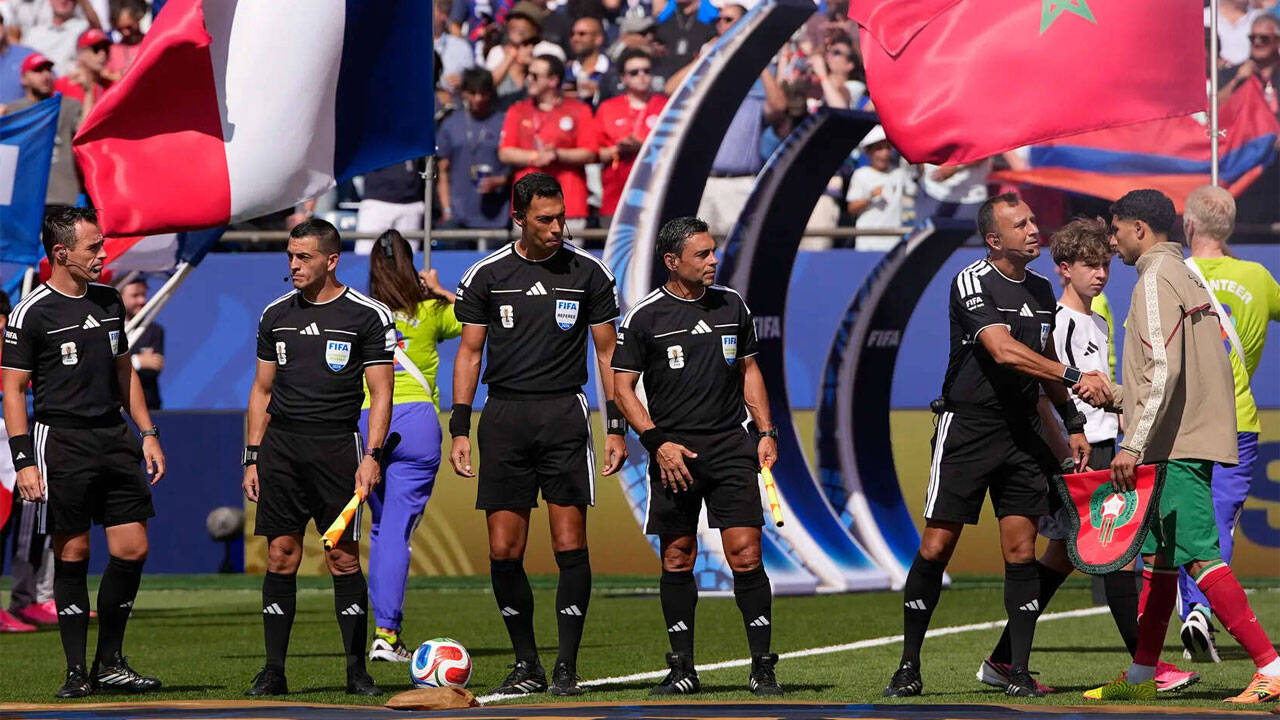
Days before kickoff, FIFA announced that Argentine referee Facundo Tello would lead the match, assisted by compatriots Juan Pablo Belatti and Gabriel Chade, with Darío Herrera as fourth official and Christian Navarro as reserve assistant. This was the first World Cup game where all five on‑field officials hailed from the same country, instantly igniting criticism on Twitter and fan forums. Critics argued that assigning an all‑Argentine team to a France match was questionable given the lingering rivalry after the dramatic 2022 final between France and Argentina.
France’s performance on the pitch
From the first whistle, the French side shifted the narrative from officiating to football. They dominated possession, created multiple chances and kept Morocco to a single shot on target, which arrived only in the 82nd minute after France had already secured a two‑goal cushion. The result echoed the 2‑0 semi‑final win over Morocco in Qatar 2022, ending the North African nation’s World Cup hopes for a second consecutive tournament.
Why the Argentine referee record matters
With six wins, France now enjoys a statistical advantage over any other nation when matches are overseen by Argentine officials. The figure is especially striking because earlier in the tournament, French referees had also been involved in a high‑profile Argentine‑Egypt Round‑of‑16 clash, another match that attracted intense scrutiny. Such coincidences fuel the perennial debate about “referee bias” versus pure coincidence in elite sport.
FIFA’s stance on referee independence
Following the match, FIFA’s chief refereeing officer Pierluigi Collina defended the integrity of match officials, stating, “Nobody can question the integrity of the FIFA World Cup match officials.” He rejected any suggestion of political or institutional interference, emphasizing that referees make “honest decisions” in complete independence. This defense came amid growing scrutiny of officiating standards after several contentious calls in the tournament.
The French victory not only propels Les Bleus to the semi‑finals but also adds a new chapter to a uniquely Argentine‑centric statistical trend. Whether future tournaments will continue to feature single‑nation officiating crews remains to be seen, but the conversation around fairness and perception will undoubtedly persist.