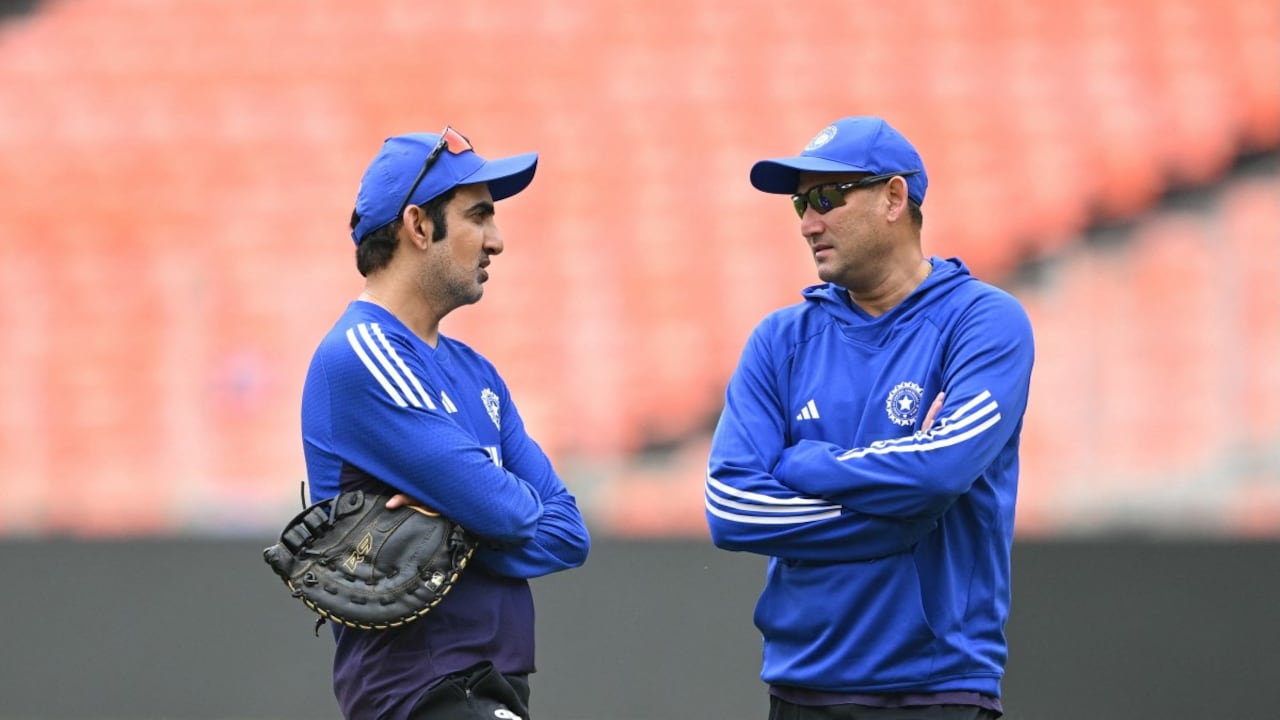
After lifting the T20 World Cup in March, India suffered two consecutive T20I series defeats in June‑July, prompting BCCI to label the period a ‘bad phase’ and sparking debate over Gautam Gambhir’s role.
Key Takeaways
- India, fresh from a T20 World Cup triumph, lost two successive T20I series.
- BCCI publicly described the slump as a ‘bad phase’ but offered no concrete remedial plan.
- Gautam Gambhir’s potential shift to coaching or commentary has become a focal point of discussion.
In March 2024, India clinched the T20 World Cup, cementing its status as the premier limited‑overs side. The victory fueled national pride and elevated the team’s commercial value worldwide. Yet, just a few months later, the side stumbled in two back‑to‑back T20I series – first a 2‑1 loss to Pakistan, followed by a similar defeat against South Africa in July. Those setbacks have thrown the momentum generated by the World Cup into disarray.
Impact on the Squad
The defeats exposed glaring inconsistencies: a fragile top order, sub‑par fielding standards, and a lack of variety in the pace attack. Veterans who shone in the World Cup found themselves out of form, while younger players struggled to adapt to pressure situations. In this context, former champion Gautam Gambhir, now a prominent television analyst, found his future under intense scrutiny. Gambhir, a key figure in the 2014 World Cup win, is being considered for either a coaching stint or a more permanent commentary role.
BCCI’s Acknowledgement of a ‘Bad Phase’
For the first time, the Board of Control for Cricket in India (BCCI) openly admitted that the team was navigating a “bad phase.” A spokesperson said, “We are in a challenging period, but we are working on long‑term solutions.” The statement, however, lacked specifics about squad rotation, talent scouting, or tactical overhauls, prompting criticism from fans and pundits alike. Analysts argue that the board must expedite the integration of emerging talent while re‑establishing clear roles for seasoned players.
Gautam Gambhir’s Role: Coach, Commentator, or Both?
Two divergent narratives dominate discussions about Gambhir. One camp argues that his aggressive mindset and rapport with younger cricketers make him an ideal candidate for a coaching role, potentially as a head of batting development. The opposing view, championed by media houses, positions him as a natural fit for commentary, citing his articulate analysis and ability to engage a broad audience. BCCI has yet to issue an official decision, but the outcome will significantly influence the strategic direction of Indian cricket.
What Lies Ahead?
Looking forward, India must recalibrate its approach. Priorities include scouting fresh talent from the domestic circuit, balancing the international calendar to avoid burnout, and leveraging data‑driven insights for performance enhancement. If the “bad phase” is managed with decisive leadership, India can quickly regain its dominance on the world stage. Conversely, prolonged underperformance could cement a period of decline, making Gambhir’s involvement even more critical to the team’s revival.