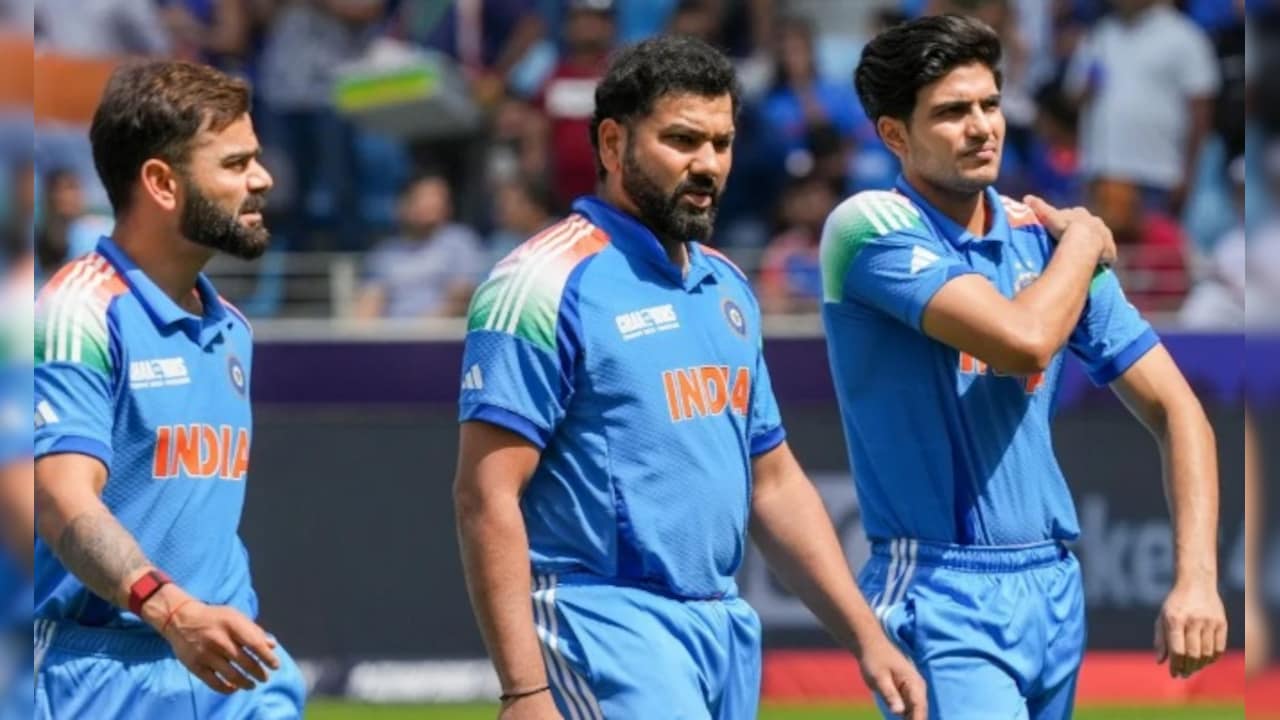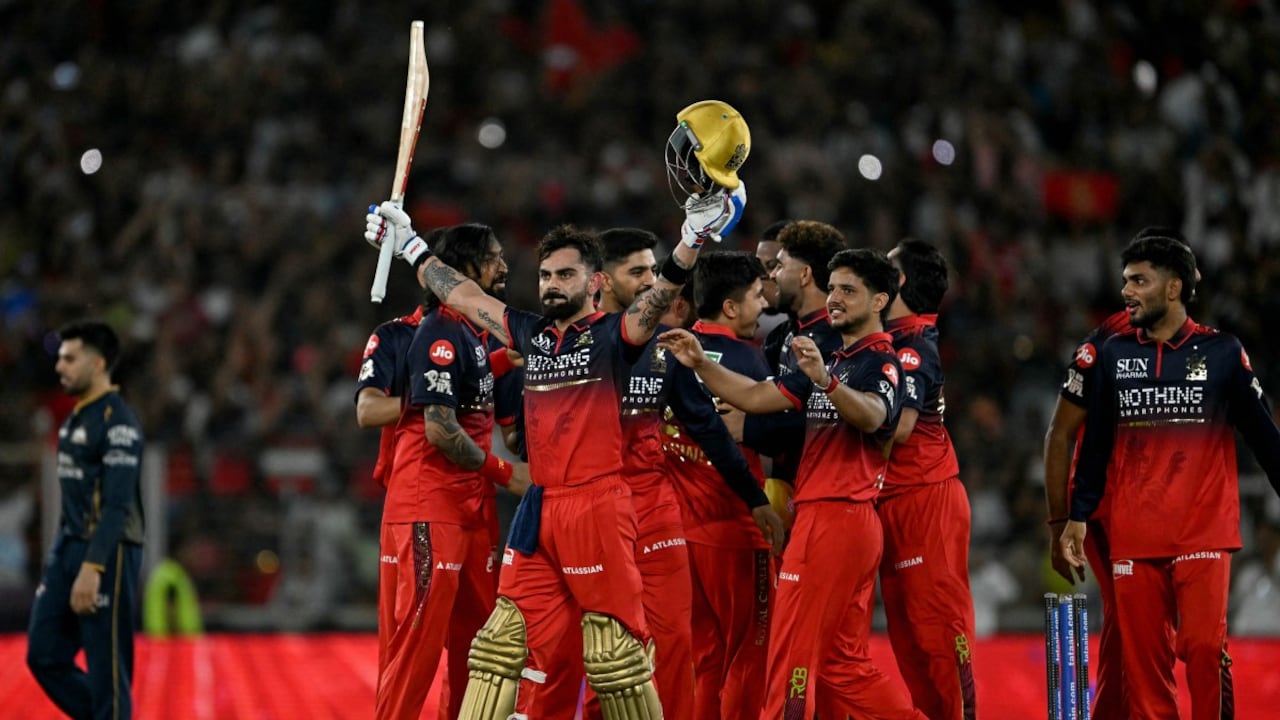
A report indicates that the Indian Premier League could stage a game in Australia if the BCCI accepts the invitation. Simultaneously, Cricket Australia aims to turn the Big Bash League opener in Chennai into an annual fixture.
The cricketing world may be on the brink of a landmark development as reports emerge that an Indian Premier League (IPL) match could be played on Australian soil. The prospect surfaced after the Board of Control for Cricket in India (BCCI) reportedly received a formal invitation from Cricket Australia, a proposal that remains under deliberation.
Private Talks Reveal Strategic Intent
According to insider sources, senior officials from both boards engaged in ‘private talks’ to assess commercial upside, logistical feasibility, and fan reception. Should the invitation be accepted, it would mark the first IPL fixture staged directly in Australia, a departure from previous overseas matches that were hosted in the UAE, South Africa, or the United States.
BBL Opener in Chennai as an Annual Event
In parallel, Cricket Australia is pushing to make its Big Bash League (BBL) season‑opening match a recurring event in Chennai. The initiative aims to deepen cricketing ties between the two nations and give Indian audiences a live taste of Australian T20 flair. Organisers suggest that a successful inaugural match could cement an annual calendar slot, fostering a long‑term partnership between the two premier T20 leagues.
Commercial and Economic Implications
Hosting an IPL game in Australia promises significant revenue streams for broadcasters, sponsors, and tourism boards. Both parties have examined potential ticket‑pricing models, broadcast rights valuations, and the impact of time‑zone differences on viewership. This move aligns with the BCCI’s broader strategy of global brand expansion, a path already charted through successful ventures in the UAE, Saudi Arabia, and the United States.
Future Outlook and Challenges
Despite its allure, the proposal faces hurdles such as climatic considerations, travel logistics, and ensuring robust local fan engagement. Scheduling conflicts with domestic and international calendars, as well as the intricacies of media rights negotiations, add layers of complexity. Nevertheless, a collaborative approach could set a precedent for future cross‑border league collaborations, reshaping the commercial landscape of cricket worldwide.