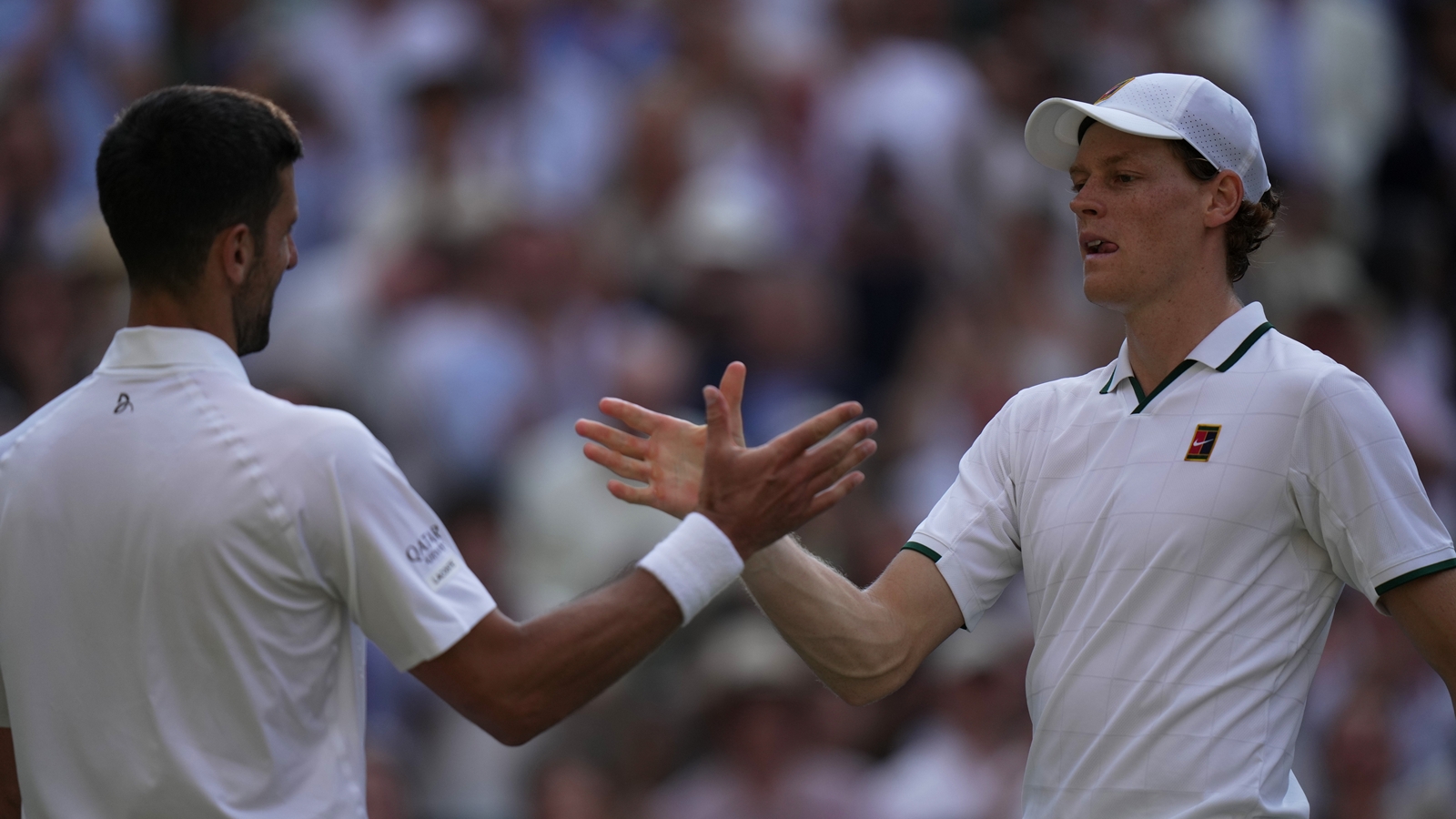
Italian star Jannik Sinner defeated Novak Djokovic 6-4, 6-4, 6-4 to book his second consecutive Wimbledon final. Sinner’s blend of power, precision and movement left the world No.1 struggling.
Key Takeaways
- Sinner won 6-4, 6-4, 6-4
- Djokovic showed fatigue after a marathon quarter‑final
- Sinner is poised for a second grass‑court title
Jannik Sinner outclassed Novak Djokovic on London’s Centre Court, sealing his second straight Wimbledon final with a straight‑sets victory of 6-4, 6-4, 6-4. The Italian’s trio of strengths—shot power, serve precision, and blistering movement—rendered the seasoned Serbian champion virtually helpless.
Match Context
Djokovic entered the semi‑final after a grueling five‑hour‑fifteen‑minute quarter‑final against Felix Auger‑Aliassime, a marathon that visibly taxed his stamina. While the 39‑year‑old managed to serve consistently in the opening set, Sinner swiftly neutralised any advantage, turning the contest into a one‑sided affair.
Set‑by‑Set Breakdown
The first set concluded in just 40 minutes, with Sinner relentlessly attacking Djokovic’s second serve, capitalising on a double fault and a razor‑sharp backhand pass. In the second set, Sinner broke serve in the seventh game, unleashing a backhand packed with power followed by a delicate drop shot that left the “GOAT” stunned. Whenever Djokovic attempted a comeback, Sinner responded with a whipping forehand or a searing ace.
Implications for the Final
Now, Sinner prepares for his seventh Grand Slam final, where he will meet Alexander Zverev. A victory would make him the first player to claim back‑to‑back Wimbledon titles on grass in the modern era. Conversely, Djokovic’s quest for a record‑breaking 25th major grows increasingly precarious, especially as the younger cohort continues to dominate.
In the post‑match interview, Sinner praised Djokovic’s heroic quarter‑final, noting his own aggressive approach and solid serving as decisive factors. This win underscores not just a personal milestone but also signals a broader generational shift on the grass courts.