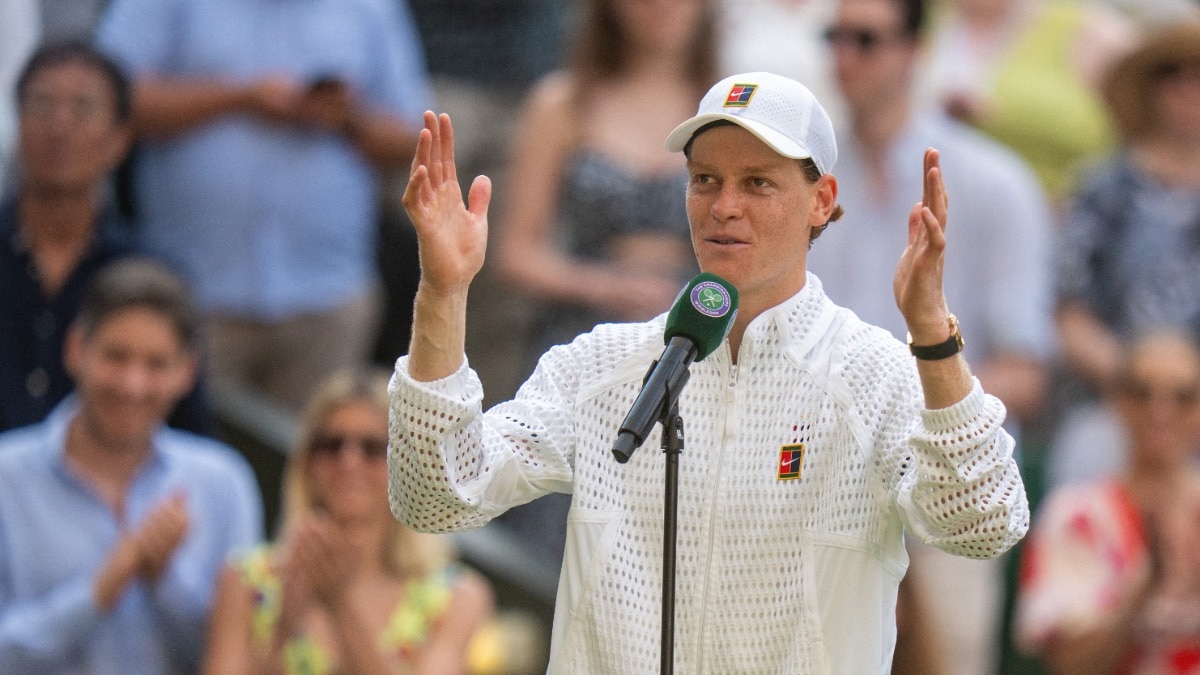
Italian tennis star Jannik Sinner revealed a surprisingly simple pre‑match routine before beating Novak Djokovic at Wimbledon – he watches the FIFA World Cup and hangs out with his team and friends, keeping his mind calm and focused. This low‑key approach has become a key factor in his dominant performance.
Key Takeaways (मुख्य बिंदु)
- Sinner uses FIFA World Cup viewing and time with friends as his pre‑match routine.
- The relaxed mindset provides mental clarity, helping him compete at the highest level.
- His approach could prove decisive in the upcoming final against Alexander Zverev.
Jannik Sinner dismantled seven‑time Wimbledon champion Novak Djokovic 6‑4, 6‑4, 6‑4 in the semi‑final, but there was little evidence of pressure on the court. Instead of elaborate superstitions, the 24‑year‑old Italian described himself as "very normal" and explained that his pre‑match ritual now consists of spending time with his team, friends, and watching the FIFA World Cup.
New Pre‑Match Routine
When asked about matchday superstitions, Sinner laughed it off: "No, no. No superstitions. I'm very normal. I like to spend time with my team, with my friends. The World Cup is on now. I think England is playing tomorrow… I like to watch football at the moment." This candid admission highlights a deliberate effort to stay relaxed, recognizing how rare Grand Slam finals are and how crucial it is to enjoy the moment.
Why Watching Football Helps
Sports psychologists note that following a major tournament like the FIFA World Cup can act as a cognitive reset for athletes. It diverts attention from the looming pressure, reduces cortisol levels, and restores focus. Sinner’s method contrasts with traditional tennis rituals that often involve specific foods, music, or even religious practices. His pragmatic approach reflects a broader shift among younger athletes toward mental simplicity over ritualistic complexity.
Background: Sinner’s Rise
Since clinching his first Grand Slam title in 2022, Sinner has surged to world No. 1, combining powerful baseline play with a calm demeanor. Earlier in his career he experimented with various routines—meditation, specific warm‑ups—but he consistently emphasized variety: "I try not to do the same thing over and over." The Wimbledon semi‑final performance, marked by 16 aces and a near‑flawless first‑serve percentage, underscored how his mental composure translates into dominant on‑court execution.
Looking Ahead to the Final
With a place in the Wimbledon final secured, Sinner now prepares to face Alexander Zverev. If his current routine holds, the world No. 1 is unlikely to alter his preparation dramatically—perhaps just another World Cup match to watch. This blend of elite tennis focus and mainstream sport leisure could set a new standard for how champions manage pressure, signalling a future where mental health strategies are as pivotal as physical training.