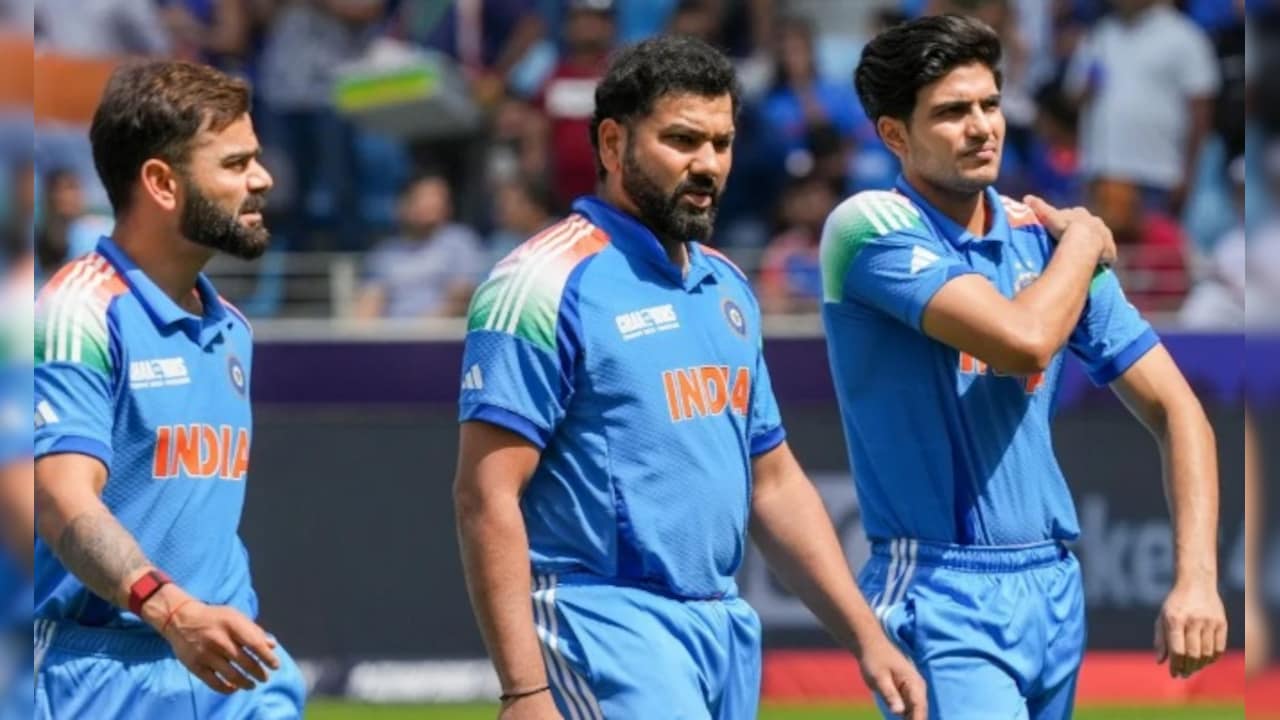
Sports presenter and actress Sahiba Bali highlights the differing mental pressures faced by India’s men’s and women’s cricket teams. She notes that the men focus on preserving success, while the women are driven by the desire to make the nation proud.
Key Takeaways
- Men’s cricket team feels pressure to sustain existing success.
- Women’s cricket team is motivated by national pride and the need for recognition.
- Both squads require robust mental‑health support alongside physical training.
Sports presenter and actress Sahiba Bali recently opened up about the contrasting psychological pressures experienced by India’s men’s and women’s cricket teams. Drawing from her time working with both squads, she explained that the men’s side is primarily concerned with preserving a legacy of success, whereas the women’s side is fueled by a deep‑seated desire to make the country proud. This distinction impacts not only on‑field performance but also the athletes’ long‑term mental well‑being.
Background and Bali’s Observations
Bali, who first collaborated with the men’s team before joining the women’s side last year, described her interactions with the female cricketers as “especially rewarding” due to their enthusiasm and collective spirit. “I enjoy working with the women’s team because their energy and commitment are unparalleled,” she told Times Entertainment. Her firsthand experience gave her a unique lens to compare the two mindsets.
Insights from a Mental‑Health Expert
Dr. Rimpa Sarkar, a mental‑health specialist based in Mumbai, corroborated Bali’s observations. She explained that the men’s team faces a “pressure to sustain success,” which is rooted in fear of losing reputation and the constant expectation to meet lofty public standards. “This creates a performance‑driven pressure where athletes shift from playing freely to protecting an existing legacy,” Dr. Sarkar noted.
Conversely, the women’s team grapples with a “pressure to prove themselves,” driven by a desire for recognition, credibility, and future opportunities. “Their motivation is closely tied to achieving validation and breaking new barriers,” she added, highlighting the emotional divergence between maintaining excellence and seeking acknowledgment.
Consequences: Burnout and Performance Anxiety
Dr. Sarkar warned that relentless expectations can heighten the risk of burnout and performance anxiety. “When every game is viewed as an opportunity to either maintain or disappoint expectations, chronic stress inevitably follows,” she explained. This stress is amplified for female cricketers, who also shoulder the responsibility of advancing visibility, sponsorship, and pathways for the next generation.
Looking Ahead: The Need for Comprehensive Support
As women’s cricket garners greater media attention and commercial interest, the nature of psychological pressure will evolve. “Success brings visibility, but visibility also brings scrutiny,” Dr. Sarkar said. She urged sporting bodies to invest in mental‑health resources alongside traditional physical conditioning. Bali’s candid revelations underscore the urgent need for a holistic approach that safeguards athletes’ mental health while striving for on‑field triumphs.