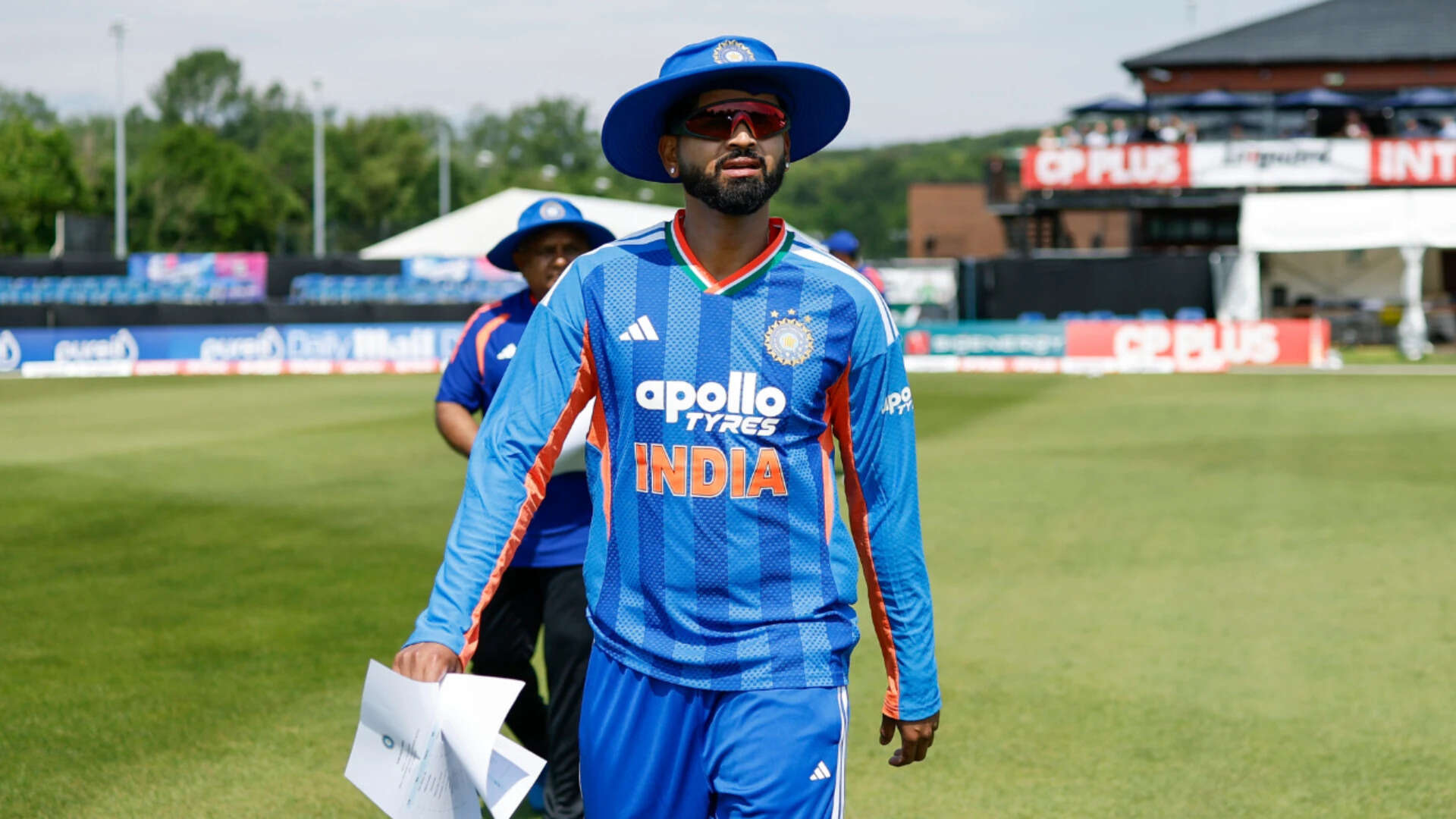
New T20I skipper Shreyas Iyer is facing intense criticism following two consecutive series defeats. Former selector Saba Karim has urged Iyer to define his leadership style and rethink the batting order. The debate highlights the vital role of leadership and communication in high‑pressure cricket situations.
मुख्य बिंदु (Key Takeaways)
- Iyer’s captaincy is under heightened scrutiny after two series losses.
- Saba Karim questions the batting order, especially Shivam Dubey at No.5.
- Effective leadership and clear communication are essential for success under pressure.
Shreyas Iyer, appointed as India’s new T20 International captain in August 2023, has already encountered a wave of criticism after just two series. The first series against England ended with a defeat in the opening match, and the subsequent series also failed to produce a win, prompting questions about strategic choices, particularly the batting order.
Saba Karim’s Remarks and the Batting Order Conundrum
Former selector Saba Karim publicly urged Iyer to cement his captaincy identity. He specifically highlighted the decision to slot Shivam Dubey at the fifth position, a move that diverged from Iyer’s aggressive IPL tactics. “If you have a clear strategy in the IPL, you must bring the same clarity to the international arena,” Karim said, sparking a heated debate among fans and analysts alike.
IPL vs. International Strategy
During his tenure with the Mumbai Indians, Iyer showcased adaptability and an attacking mindset, often promoting hard‑hitting batsmen up the order to unsettle opponents. However, translating that flexibility to the international stage can sometimes destabilize the team’s balance, as evidenced by Dubey’s placement. The lack of a consistent role caused uncertainty among the batting line‑up, affecting shot selection and confidence.
The Role of Leadership and Communication
A captain’s responsibilities extend beyond on‑field tactics; they must foster clear communication and mental readiness within the squad. Iyer now needs to demonstrate that he can deliver unambiguous instructions and instill confidence in each player’s role, especially under high‑pressure scenarios. Experts argue that mastering this aspect could steer India’s T20 side toward consistency and victories.
Future Path and Potential Impact
Iyer must shift his focus from individual performance to the broader strategic development of the team. If he can blend the aggressive flair shown in the IPL with a balanced international approach, India could ascend to new heights in T20 cricket. Conversely, ignoring the criticisms may lead the selection panel to reassess the captaincy in upcoming tours.