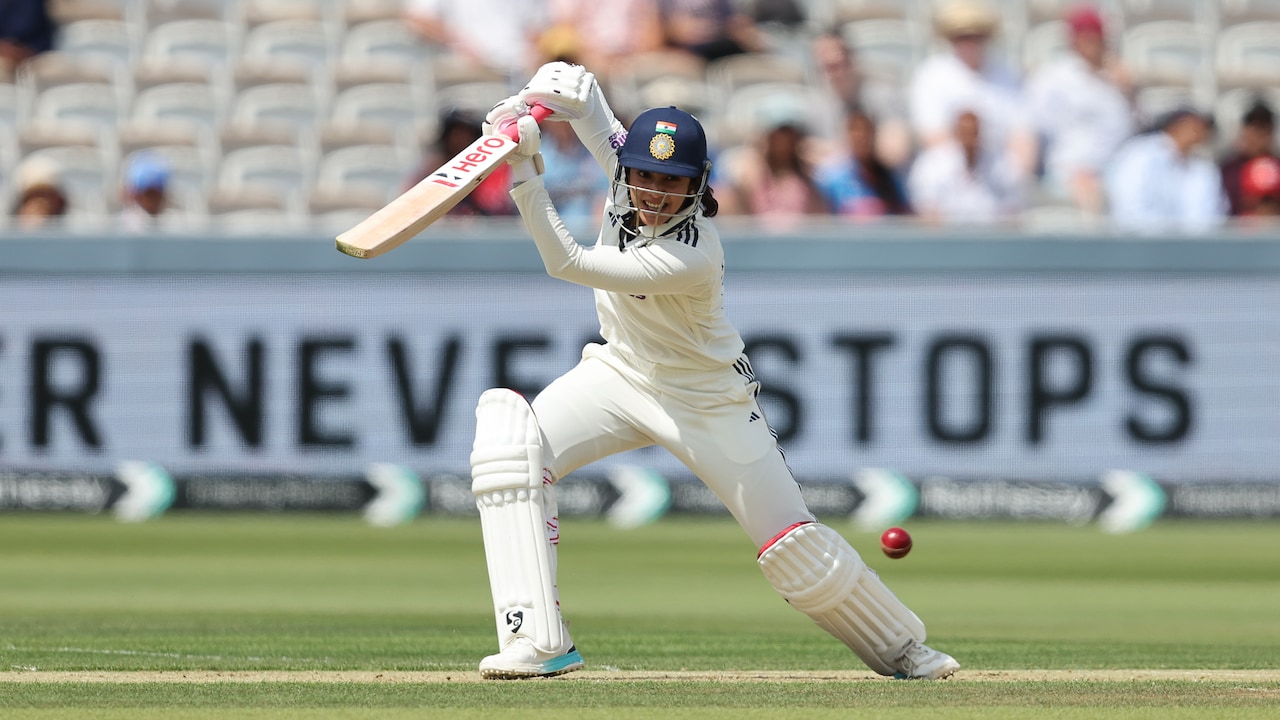
In the inaugural women's Test at Lord's, Smriti Mandhana smashed 83 runs, propelling India to a total of 285. England found themselves at 21/1, making the first day a thrilling encounter.
Key Takeaways (मुख्य बिंदु)
- India posted 285 runs
- England stalled at 21/1
- Smriti Mandhana scored 83 runs
- Harmanpreet Kaur and Deepti Sharma added valuable fifties
India’s women’s cricket side announced a dominant start to the historic one‑off Test at Lord’s, with Smriti Mandhana playing a stylish 83‑run knock. The total of 285 set a solid foundation, while England’s early collapse at 21/1 underscored the pressure of playing on the hallowed ground.
Historical Context
This match marks the first women’s Test ever scheduled at Lord’s, the venue traditionally revered as the “Home of Cricket.” The England‑India rivalry, already steeped in men’s cricket lore, now gains a fresh chapter in the women’s game, reflecting the growing global appetite for high‑profile women’s cricket. Analysts have long argued that exposure at iconic venues accelerates the development of female talent, and today’s performances provide strong evidence of that claim.
Key Contributors
Beyond Mandana’s 83, captain Harmanpreet Kaur contributed a confident 58, while all‑rounder Deepti Sharma added 55. Their combined effort stabilized the middle order, allowing India to build momentum after a cautious start. Kaur’s leadership and Sharma’s dual‑skill set have become hallmarks of the side’s recent success, and their innings today reinforced why they are pivotal to India’s batting depth.
England’s Early Struggles
England’s opening partnership managed only 21 runs before losing a wicket, indicating the challenge of adapting to a pitch that offered early assistance to the bowlers. The English side will need to regroup, possibly reshuffling the top order and adopting a more patient approach to counter India’s aggressive batting line‑up.
Future Implications
If India maintains this scoring rate, crossing the 300‑run threshold appears imminent. The innings also signal a broader shift: Indian women’s cricket now boasts a deeper batting pool and a cadre of players capable of handling pressure on the world’s biggest stages. Conversely, England must reassess its bowling tactics, especially how to exploit the evolving pitch conditions throughout the five‑day fixture. The outcome of this Test will have lasting repercussions on both nations’ women’s cricket programmes, influencing selection policies, investment, and the overall perception of the sport.
