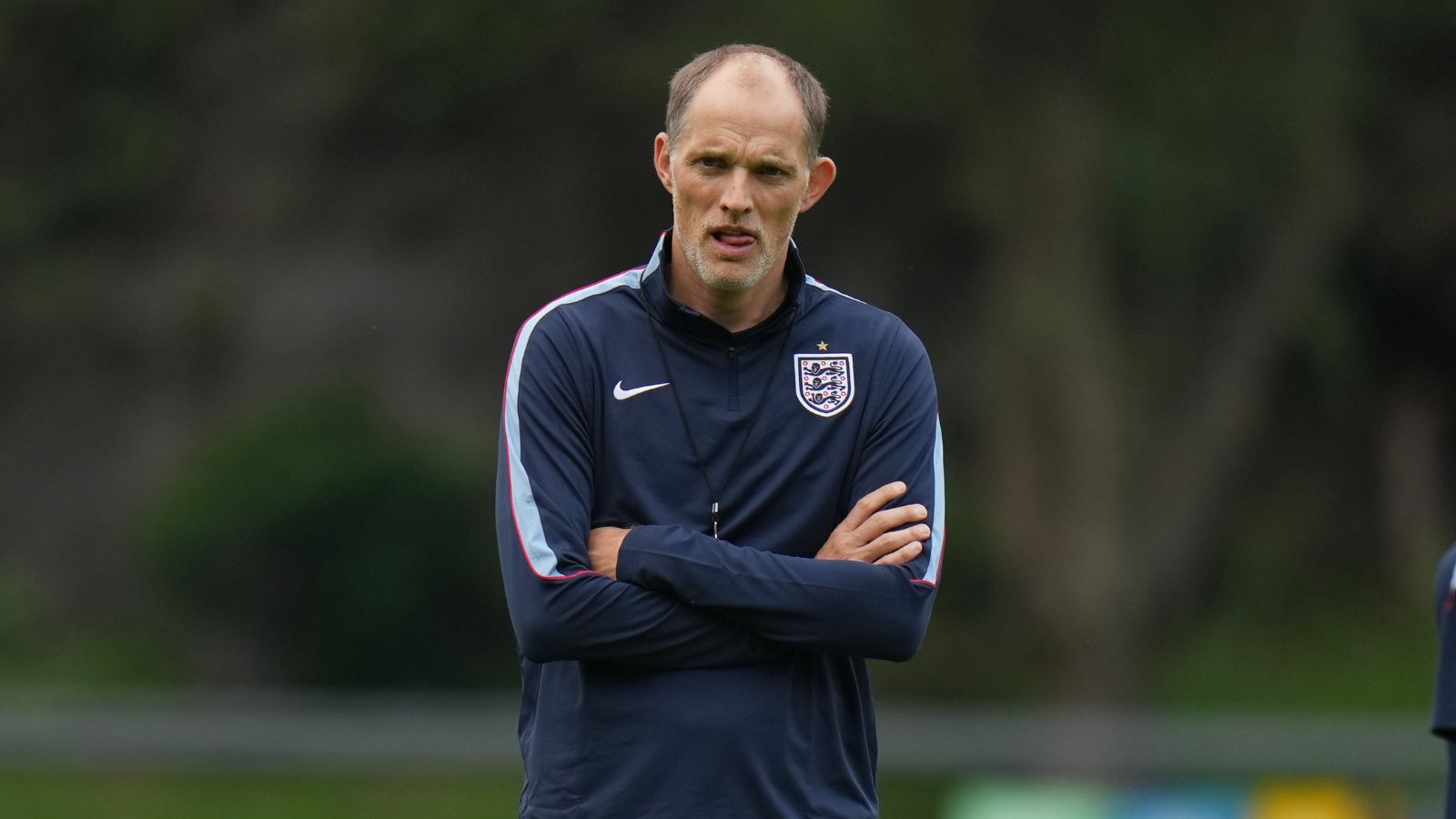
England manager Thomas Tuchel deployed a ‘Special Ops’ substitution plan that turned two knockout matches in England’s favour. The calculated changes fortified the defence and unlocked creative outlets, keeping the team alive in the tournament.
Key Takeaways
- Tuchel introduced a ‘Special Ops’ framework assigning precise roles to each substitute
- The swaps saved England from elimination in both the Round of 32 and Round of 16
- Tactical flexibility allowed England to adapt to varied opponents
When Thomas Tuchel took over England ahead of the 2026 World Cup, skeptics questioned a German at the helm of the Three Lions. Two decisive knockout games proved that meticulous planning and flawless execution are the true hallmarks of success.
The ‘Special Ops’ Concept
Borrowed from American football, the term ‘special teams’ describes a unit deployed for specific situations. Tuchel repurposed it for England’s bench, tagging each substitute with a predefined mission—whether shoring up the back‑line or injecting attacking thrust.
Game‑Changing Substitutions
Trailing 0‑1 against Congo in the Round of 32, Tuchel brought on Anthony Gordon for Marcus Rashford. Gordon delivered two assists for Harry Kane, turning the tide. In the Round of 16 versus Mexico, a straight‑red card to Jarrel Quansah prompted the removal of Bukayo Saka and the introduction of John Stones, stabilising the defence. At the 75‑minute mark, Ezri Konsa was swapped for 34‑year‑old Dan Burn, who produced six clearances in fifteen minutes plus injury time, preserving England’s lead.
Broadening the Talent Pool
Traditionally, England has favoured Premier League talent. Tuchel broke that mould by selecting players active abroad, adding depth and competition to the attacking ranks. Jordan Henderson’s inclusion sparked debate, yet his ‘glue’ role—binding squad morale—proved invaluable, as highlighted by teammates Morgan Rodgers and Jude Bellingham.
Implications for Future Tournaments
Tuchel’s ‘Special Ops’ model showcases a shift from pure player quality to situational utility. If other national sides adopt a similar data‑driven, role‑specific substitution strategy, the tactical landscape of international football could evolve dramatically.