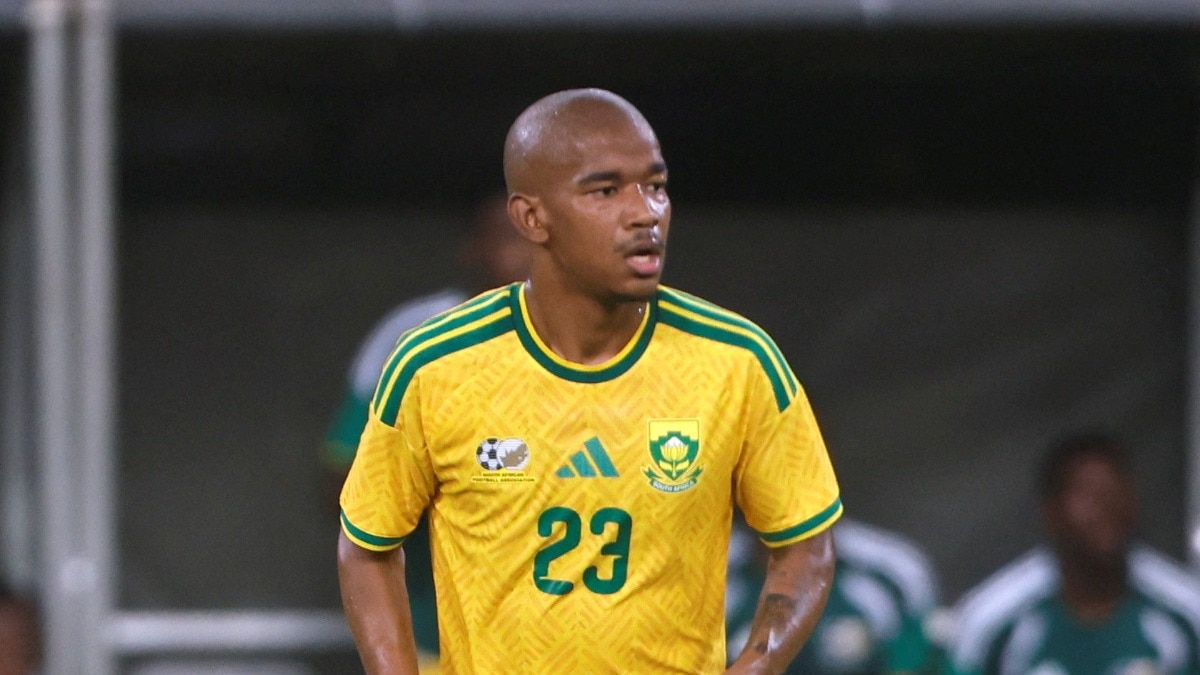
A 25-year-old South African footballer died just days after playing in the FIFA World Cup, sending shockwaves through the football community.
Key Takeaways
- 25-year-old South African player passed away shortly after the World Cup.
- Cause of death remains unclear, raising concerns over health monitoring.
- The tragedy serves as a warning for national associations and clubs worldwide.
A 25‑year‑old South African footballer who featured for his nation at the FIFA World Cup 2026 has tragically died, sending the sports world into mourning. Though his name has not yet been officially released, his reputation as a pace‑driven forward made him a fan favourite among the youth.
World Cup Contribution
During the early stages of the tournament, the player showcased his speed and precise passing, creating several scoring opportunities for South Africa. Analysts praised his performance as that of an “emerging star,” noting his ability to break down tight defenses and add dynamism to the squad’s attacking play.
Circumstances of Death
After the tournament, the player returned home and suddenly experienced a severe health issue. He was rushed to a local hospital where his death was confirmed. While the official cause has not been disclosed, preliminary reports point to possible cardiac complications or acute physical stress, highlighting gaps in athlete health surveillance.
National and International Reactions
The South African Football Association (SAFA) issued an immediate statement expressing condolences to the family and teammates. International clubs and former teammates also paid tribute via social media, underscoring the player’s impact despite his brief career. The incident reignites debate over the adequacy of medical checks for athletes competing at the highest level.
Implications for Future Protocols
Medical experts argue that this tragedy mandates stricter, routine health screenings for professional athletes, especially in high‑intensity tournaments like the World Cup. Moreover, comprehensive rest, nutrition, and mental‑health support should be integral to any player’s regimen. The loss is not only a personal tragedy but a stark reminder that player safety must be a top priority for governing bodies worldwide.