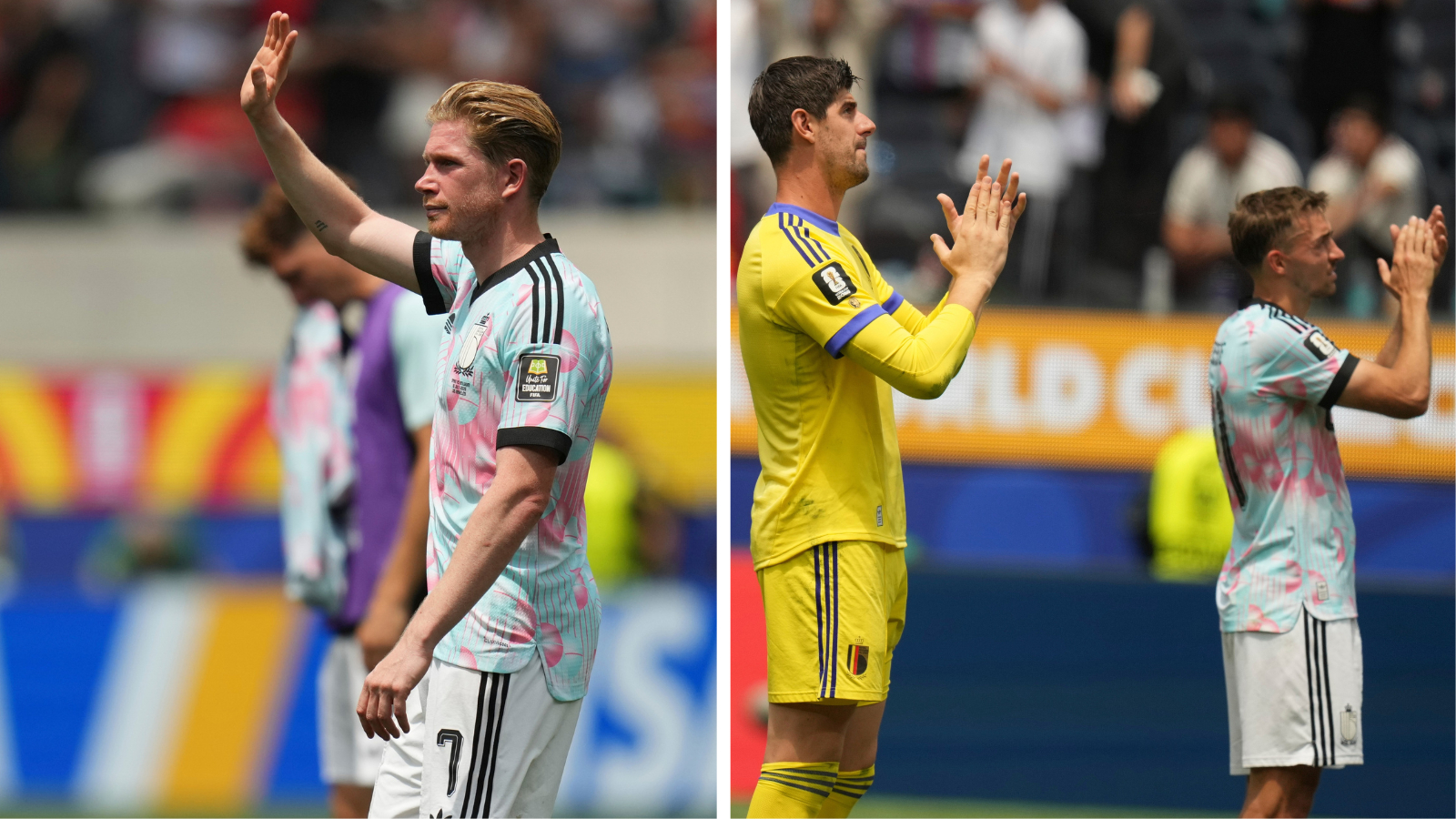
Belgium’s golden generation failed to clinch a major trophy but propelled the nation from 68th to world No. 1 in FIFA rankings. This article examines their rise, setbacks, and the lasting impact on Belgian football.
मुख्य बिंदु (Key Takeaways)
- Belgium climbed from 68th to 1st in FIFA rankings between 2017‑2026.
- Despite no major titles, the squad secured global relevance and respect.
- 2006 reforms in football academies created a pipeline that reshaped Belgium’s talent pool.
On 11 July 2026, Belgium’s most celebrated football chapter closed with a 2‑1 quarter‑final loss to Spain. While the result was disappointing, the defeat underscored a broader narrative: a small nation’s “golden generation” had finally earned the respect it long desired, even without a trophy.
From Underdogs to World‑Number‑One
Before 2006, Belgium was a perennial under‑dog. In the 2010 World Cup qualifiers, Spain thrashed them 5‑0, and Belgium missed the tournament entirely. Two years later, Spain lifted the European Championship, while Belgium again failed to qualify, drawing only against Azerbaijan. These setbacks prompted former striker Marc Wilmots to accept the national‑team job, initiating a strategic overhaul.
Structural Overhaul and Talent Harvest
The 2006 government‑funded football school reforms transformed the player pipeline. Youngsters such as Kevin De Bruyne, Thibaut Courtois, Romelu Lukaku and Axel Witsel emerged from these academies, replacing a generation that once idolised foreign stars like Michael Owen or Iker Cásillas. Despite a modest population of 11.8 million and only 33 professional clubs, Belgium’s focused investment produced a squad that rose to the top of the FIFA rankings within a decade.
The Trophy‑less Reality
At the 2018 and 2022 World Cups, Belgium consistently reached the knockout stages, yet never progressed beyond the quarter‑finals. The 2026 loss to Spain – the reigning European champions – reinforced the harsh truth: elite performance does not always translate into silverware. Coach Rudi Garcia’s post‑match remarks, “We should be proud of our World Cup run,” highlighted a shift from trophy‑centric success to national relevance.
Challenges Ahead
Only three players in the current squad still ply their trade in Belgian clubs, down from fifteen in 2002, reflecting a talent drain to stronger leagues. Maintaining a domestic pipeline will be crucial if future generations are to convert relevance into titles. Continued investment in grassroots programs and a strategic balance between exporting talent and retaining homegrown stars will define Belgium’s next footballing chapter.
Conclusion
Belgium’s golden generation taught the world that “success” can be measured beyond trophies. Their legacy is a revitalised national identity, a blueprint for small nations, and a promise that the next Belgian cohort may finally bring home the coveted hardware.
