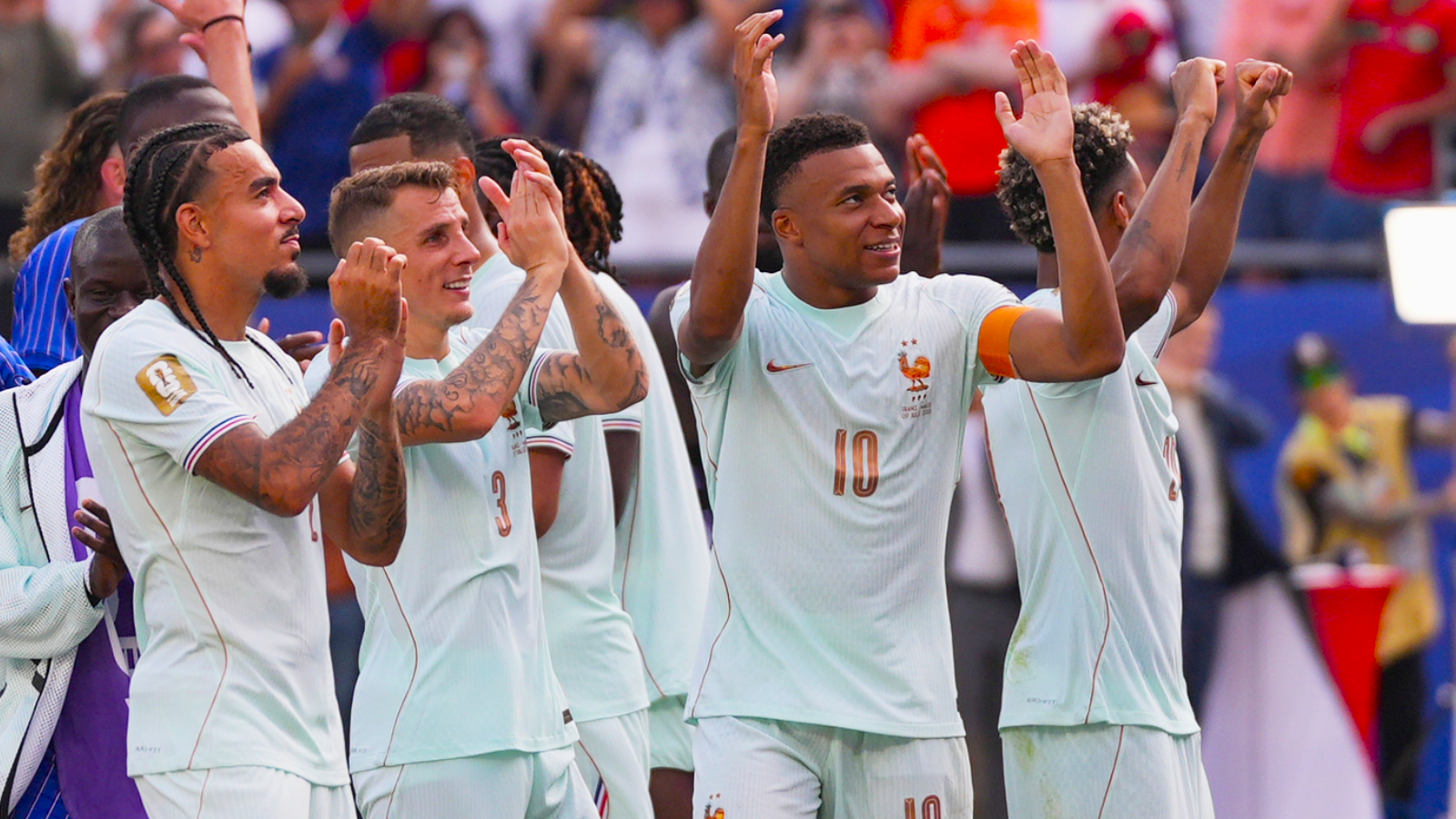
France has deployed four distinct tactical blueprints against four different opponents in the 2026 World Cup, yet the outcome remains the same – unbroken winning streak. This piece dissects the pressure play, defensive blocks and clinical finishing that keep ‘Les Bleus’ unbeaten.
Key Takeaways
- France tailors a unique game plan for each opponent
- Senegal provided the only sustained early‑tournament pressure
- Physicality and a decisive penalty saw Paraguay struggle
In Boston’s quarter‑final, France once again demonstrated why their tactical flexibility is unrivaled. Facing Morocco, the French side executed four separate strategies – one for each opponent (Senegal, Sweden, Paraguay and Morocco) – and each culminated in the same result: a win.
Senegal’s Early Test
The opening match against Senegal proved the toughest moment for the defending champions. The African Cup winners organised themselves physically, matching France’s possession and forcing a 50‑50 battle. The game turned when Michael Olise shifted from right wing to central midfield, pairing with Kylian Mbappé in a two‑way combo that dominated the second half. France covered over 120 km in that match, the highest distance logged in the tournament, underscoring Senegal’s brief but intense pressure.
Sweden’s Lack of a Plan
Sweden entered the tournament with little tactical preparation to counter France’s attacking quartet. They managed merely 202 ball receptions inside the final third of their half before conceding three unanswered goals. The Swedes essentially surrendered possession and defensive shape, allowing the French to dictate tempo and finish with clinical precision.
Paraguay’s Physical Resistance
Paraguay held the ball for just 22 % of the game, attempted fewer than 200 passes and registered no shots on target. Yet they gave France its hardest time in open play. Rigid midfield and defensive lines denied Olise space, while relentless small fouls disrupted Mbappé’s rhythm. The South American side forced the match into extra‑time, limiting France to five shots on target before a Mbappé penalty finally broke the deadlock.
Morocco’s Tireless Running
Morocco entered the quarter‑final with a reputation for high‑intensity running, but tactical adjustments and the absence of a genuine offensive threat left them vulnerable. Although they completed more passes and retained possession longer than France, a solitary Mbappé strike and a swift Ousmane Dembélé response sealed the tie. Morocco’s only shot on target highlighted their inability to translate work‑rate into goals.
The common thread across all four encounters is France’s capacity to adapt, press aggressively and exploit minute defensive lapses. Coach Didier Deschamps’s willingness to switch formations and roles mid‑tournament has turned tactical diversity into a winning formula, positioning Les Bleus as the benchmark for modern World‑Cup football.