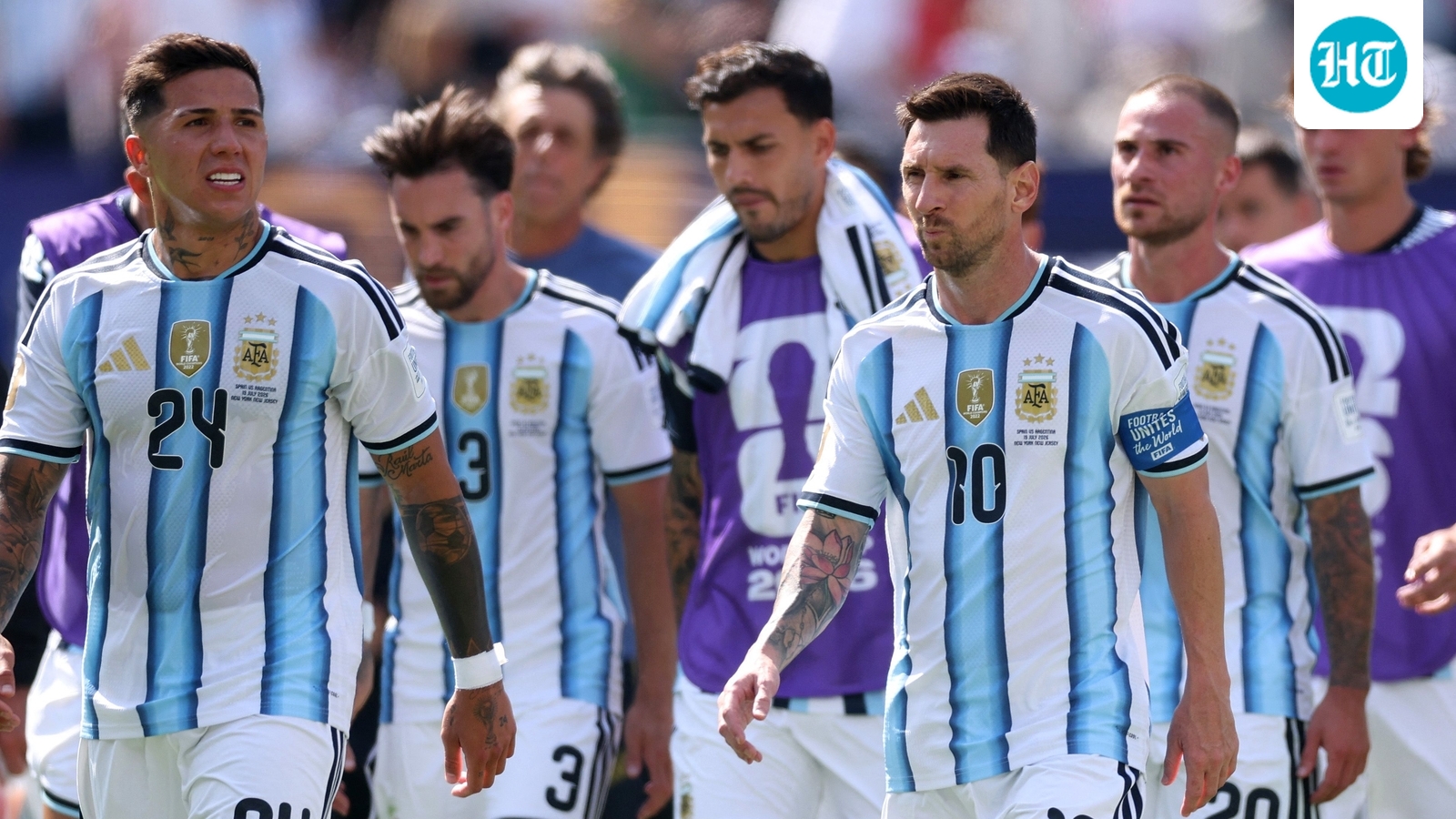
The excitement around FIFA World Cup 2026 is reaching a fever pitch across India. From Kerala to West Bengal, fan clubs, midnight screenings and street rallies have turned the tournament into a nationwide celebration.
मुख्य बिंदु (Key Takeaways)
- FIFA 2026 expands to 48 teams, amplifying Indian fan enthusiasm.
- Fan clubs, rallies and cultural events spark across Kerala, West Bengal and other states.
- Beyond football, dance, fashion and street art add fresh energy to the celebration.
As the FIFA World Cup 2026 kicked off, India’s passion for the beautiful game surged to unprecedented levels. Fans are gearing up for four high‑stakes knockout matches, reviving WhatsApp groups, organising midnight screenings and launching bike rallies across cities. The tournament’s expansion to 48 teams – a 50% increase over the previous 32‑team format – has widened the competition and drawn even more eyes to the global spectacle, especially from a country where football is still emerging.
Historical Context and the 48‑Team Expansion
The decision to grow the World Cup to 48 nations marks a watershed moment for Asian football, offering more slots to the continent and, by extension, to India. While the Indian Super League (ISL) has professionalised domestic football over the past decade, the national side has yet to qualify for a World Cup. The larger tournament format, however, fuels hope that increased exposure and commercial interest could accelerate grassroots development and infrastructure investment.
Kerala’s Unmatched Celebration
Kerala once again proved why it is India’s football heartland. Students of St. Teresa’s College in Ernakulam staged a thrilling penalty shoot‑out, high‑energy dance performances and a spectacular fashion show on July 9, 2026. Local designers released custom‑printed mundus, T‑shirts and limited‑edition stamps, turning the World Cup into a cultural festival. Instagram reels of the event went viral, cementing Kerala’s reputation as a hub of fan fervour.
Nationwide Fan Ecosystem
Beyond Kerala, fan clubs in West Bengal, Delhi, Mumbai and Pune organised street food festivals, live panel discussions and rooftop screenings. WhatsApp groups, dormant for four years, buzzed with match‑time predictions, tactical analyses and player line‑up debates. This digital‑offline synergy not only spikes viewership but also nurtures a new generation that sees football as a viable career path.
Looking Ahead
Analysts warn that to convert this fleeting excitement into sustainable growth, India must invest heavily in coaching, youth academies and stadium infrastructure. If the momentum generated by the World Cup is harnessed strategically, the country could transition from a passionate spectator base to a competitive participant on the world stage within the next decade.