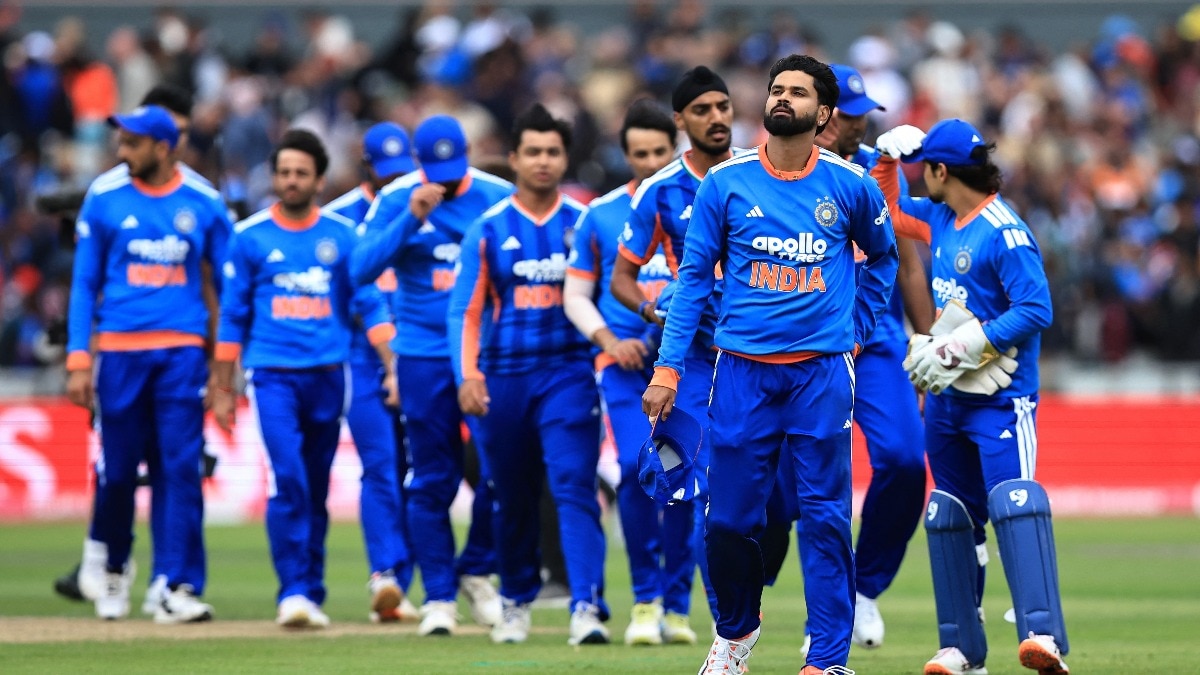
Back‑to‑back T20 series losses in Ireland and England have exposed flaws beyond player performance, pointing to shortcomings in BCCI's preparation. Shreyas Iyer's abrupt captaincy, a cramped schedule and the absence of key bowlers have left the side vulnerable. Calls for accountability now extend to the board itself.
Key Takeaways
- Consecutive T20 defeats in Ireland and England
- Shreyas Iyer's sudden captaincy and lack of preparation
- Questions over BCCI's scheduling and selection strategy
India's cricket team has suffered two successive T20 series losses on the European tour, raising doubts about whether the blame lies solely with the players or also with the board's strategic planning. A 0‑2 loss to Ireland followed by a swift defeat to England underscores a deeper systemic issue.
Background and Scheduling Dilemma
After the IPL 2026 final, the Indian side had a narrow window to acclimatise to the markedly different conditions in Europe. Instead, BCCI chose to prioritize a Test and three ODIs, leaving scant time for players to adjust to new pitches, climates, and the fast‑paced demands of T20 cricket. This congested calendar compromised the team’s readiness.
Captaincy Shift and Team Composition
Just days before the tour, selectors replaced Surya Kumar Yadav with Shreyas Iyer as T20 captain. Iyer had not featured in international T20s since December 2023, meaning he lacked recent on‑field chemistry with the squad. The abrupt leadership change, coupled with immediate match commitments, hampered strategic cohesion.
Absence of Key Bowlers
The missing presence of Jasprit Bumrah and Hardik Pandya stripped India of its two most experienced T20 bowlers. Without Bumrah’s death‑overs expertise and Pandya’s all‑round balance, the side leaned heavily on younger pacers like Krishna, Prince Yadav and Harshit Rana, who struggled under pressure.
Future Outlook and BCCI's Accountability
While players must own their on‑field lapses, it is equally vital to hold the Board of Control for Cricket in India accountable for its planning errors. A revamped schedule that respects player workload, climate adaptation and realistic preparation periods is essential if India aims to reclaim its dominance on the global T20 stage.