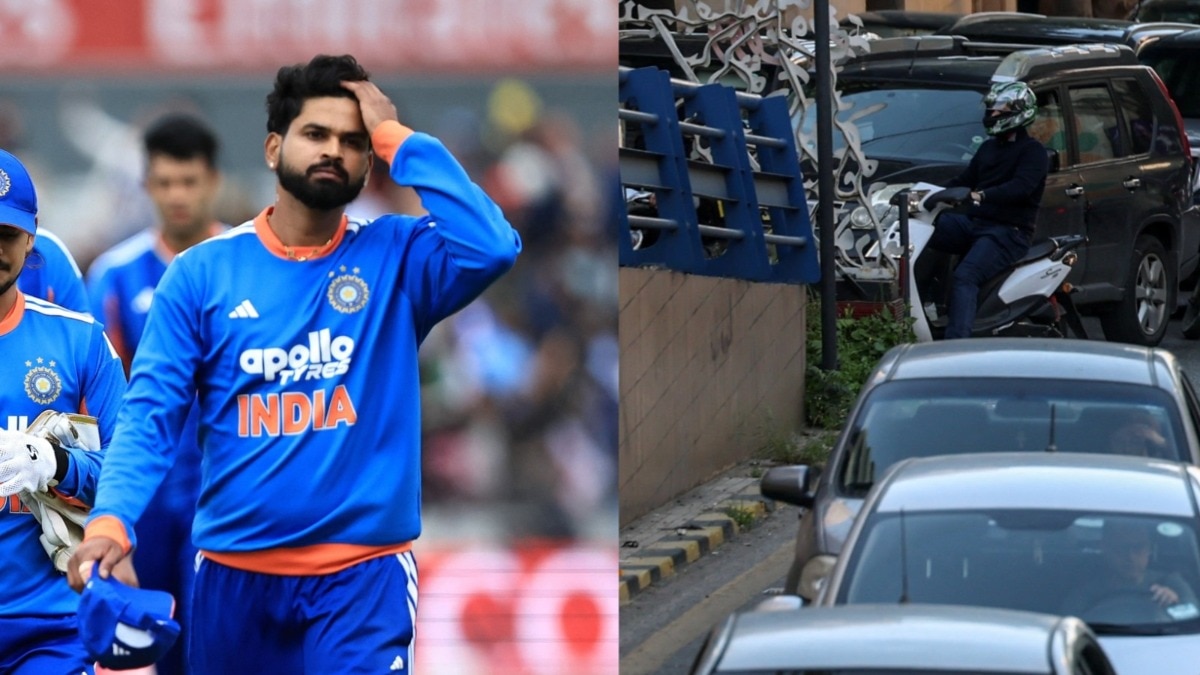
Ahead of the final T20 against England in Southampton, the Indian cricket team was caught in a traffic jam, pushing the toss back by 45 minutes. The incident adds to a series of disappointing performances and raises questions about logistical preparedness.
Key Takeaways
- India's toss was delayed by 45 minutes
- Team stuck in traffic, missed the scheduled arrival
- Series loss highlights need for strategic overhaul
On July 11, 2026, at the Rose Bowl in Southampton, the fifth and final T20 of the India‑England series was set to begin with a toss at 6:30 p.m. IST. However, due to a severe traffic jam that trapped the Indian side’s transport, the toss was postponed to 7:15 p.m., a full 45‑minute delay.
Series Context
India entered the match having lost the first four encounters. The opening T20 was washed out, and the subsequent three matches were defeated, giving England a 3‑0 lead. This marks the first time since 2019 that India has lost more than two T20s in a bilateral series against England, and it also represents a rare back‑to‑back series defeat after a seven‑year gap.
Impact of the Traffic Jam
The unexpected gridlock disrupted the team's routine, forcing several players to arrive late at the ground. While the squad eventually reached the venue and preparations resumed, the delay likely affected focus and morale, especially after a string of losses.
Strategic Analysis
India’s batting approach—characterised by aggressive shot‑making and a lack of wicket preservation—has been under scrutiny throughout the series. BCCI officials have signalled a thorough review of performance, with particular attention on the openers and middle‑order batsmen such as Shreyas Iyer, Ishan Kishan, and Tilak Varma, whose inconsistent contributions have hindered the side’s total scores.
Looking Ahead
Logistical hiccups like traffic jams highlight the need for improved travel planning by the board. Moreover, the team must adapt its on‑field tactics, placing greater emphasis on innings stability and wicket management, to mitigate the impact of external disruptions.

