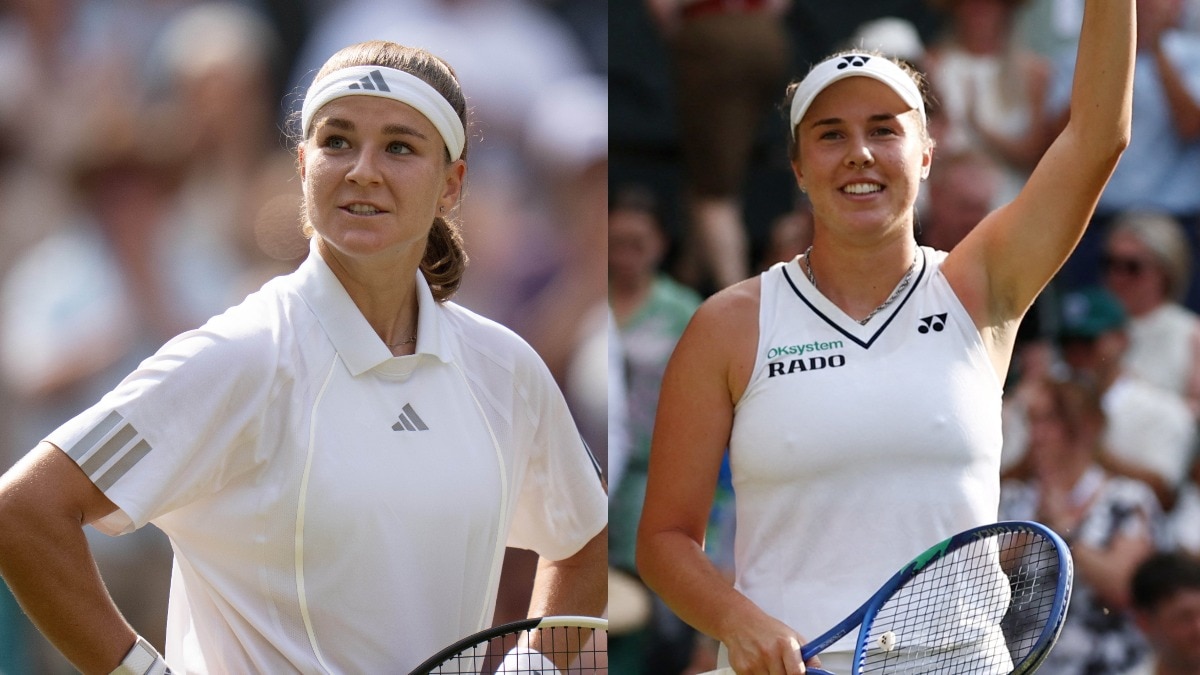
In the Wimbledon quarterfinals, Karolina Muchova and Linda Noskova are set to deliver a historic showdown that could redefine the sport's competitive landscape. Both athletes bring distinct strengths, promising a thrilling contest for tennis fans worldwide.
Key Takeaways
- Karolina Muchova and Linda Noskova face off in a Wimbledon quarterfinal match.
- Both players have finished the season inside the top 5 of the WTA rankings.
- The outcome could trigger significant shifts in global tennis rankings.
Wimbledon has long been the stage for legendary battles, but the upcoming encounter between Karolina Muchova and Linda Noskova promises to be the tournament's most anticipated clash of the year. Beyond a simple head‑to‑head, this match represents a potential turning point for European and Eastern European tennis, signaling a shift in power dynamics that could reverberate for seasons to come.
Background and Significance
Muchova, a 28‑year‑old Czech, reached the French Open final last year and has since refined her game with a more aggressive serve‑and‑volley approach. Her rise in the rankings is underpinned by a rigorous fitness regime and a renewed mental focus. Conversely, 24‑year‑old Slovakian prodigy Noskova has dazzled on hard courts with blistering groundstrokes and a relentless attacking style, breaking into the top ten consistently over the past three years.
Player Profiles
Karolina Muchova – Known for her precise serve and deep defensive skills, she has turned quarter‑final appearances into a platform for strategic growth. Recent coaching changes have added a tactical edge that many analysts believe could finally propel her to a Grand Slam title. Linda Noskova – Her aggressive baseline game, combined with exceptional court coverage, makes her one of the most formidable opponents on the women's tour. She is widely regarded as a future Grand Slam champion, and this match could be her catalyst.
Potential Impact and Future Trajectory
A victory for Muchova would underscore the resurgence of Central European talent and could inspire a wave of younger players to challenge the traditional powerhouses. A win for Noskova, however, would amplify Eastern Europe's growing influence in elite tennis, potentially attracting greater sponsorship and development programs to the region.
Beyond personal glory, the match's outcome will affect WTA rankings, endorsement deals, and the psychological momentum heading into the US Open. Analysts anticipate that the winner will carry a confidence boost that could translate into deeper runs in the remainder of the Grand Slam season.
In essence, this clash is more than a quarter‑final; it is a litmus test for the evolving hierarchy of women's tennis. Fans and pundits alike will be watching closely as these two athletes vie not just for a place in the semifinals, but for a defining moment in the sport's history.