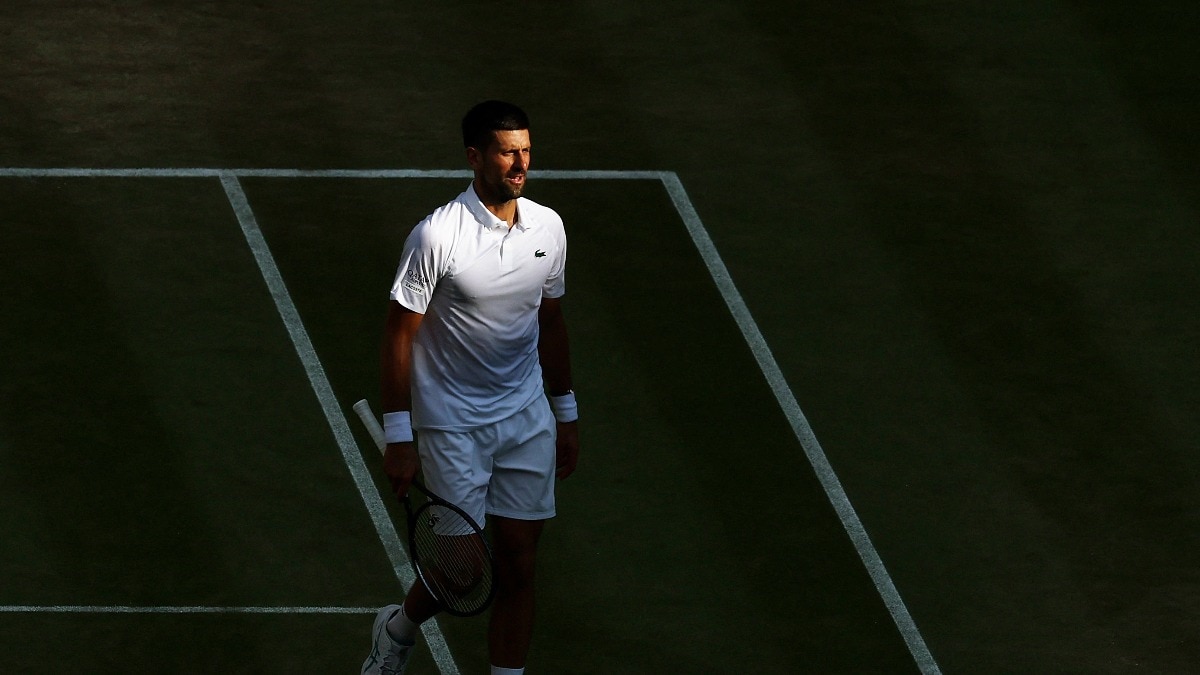
At 39, Novak Djokovic balances unprecedented success with age‑related challenges, redefining what a tennis legend can achieve in the modern era. His journey offers both a blueprint for longevity and a cautionary tale of physical limits.
Key Takeaways
- Djokovic remains a top‑ranked contender despite being 39
- Age introduces heightened injury risk and recovery demands
- His legacy continues to inspire and shape the next generation of players
Novak Djokovic has carved a singular niche in tennis history over five decades, and at 39 he is still battling for Grand Slam glory. His 2024 season, highlighted by a record‑breaking 22nd major title, proves that age is merely a number when determination and adaptation are at play.
Career Highlights and Current Form
Following his 2023 triumph, Djokovic entered 2024 with a string of finals appearances at the Australian Open, French Open, and Wimbledon, underscoring his relentless consistency. His trademark weapon—powerful returns combined with defensive brilliance—continues to unsettle rivals across the ATP circuit.
Physical Challenges and Evolving Strategies
Advancing years have brought shoulder, lower back, and knee concerns, prompting a revamp of his training regimen. Emphasizing flexibility, recovery protocols, and sports‑nutrition science, his team now integrates high‑intensity interval work and yoga to safeguard longevity.
Impact on Emerging Talent
Djokovic’s durability serves as a beacon for upcoming stars such as Carlos Alcaraz and Jannik Sinner, who cite his discipline as a model for sustaining elite performance. The International Tennis Federation is also leveraging his experience to enrich development pathways for future champions.
Future Outlook
While still competitive at the highest level, analysts anticipate Djokovic will gradually trim his calendar over the next two years, possibly focusing on selective events post‑2026. This strategic scaling not only protects his health but could inject fresh vigor into the sport’s global appeal.