Belgian striker Romelu Lukaku fielded questions in four different languages after the 2-1 defeat to Spain, showcasing his multilingual fluency. The article delves into his linguistic background, the match highlights, and the broader impact of polyglot athletes on modern football.
Key Takeaways
- Lukaku answered post‑match questions in Spanish, English, French and Flemish
- He is fluent in eight languages, including Portuguese, Lingala, Swahili and Italian
- Multilingual abilities enhance team cohesion and on‑field communication
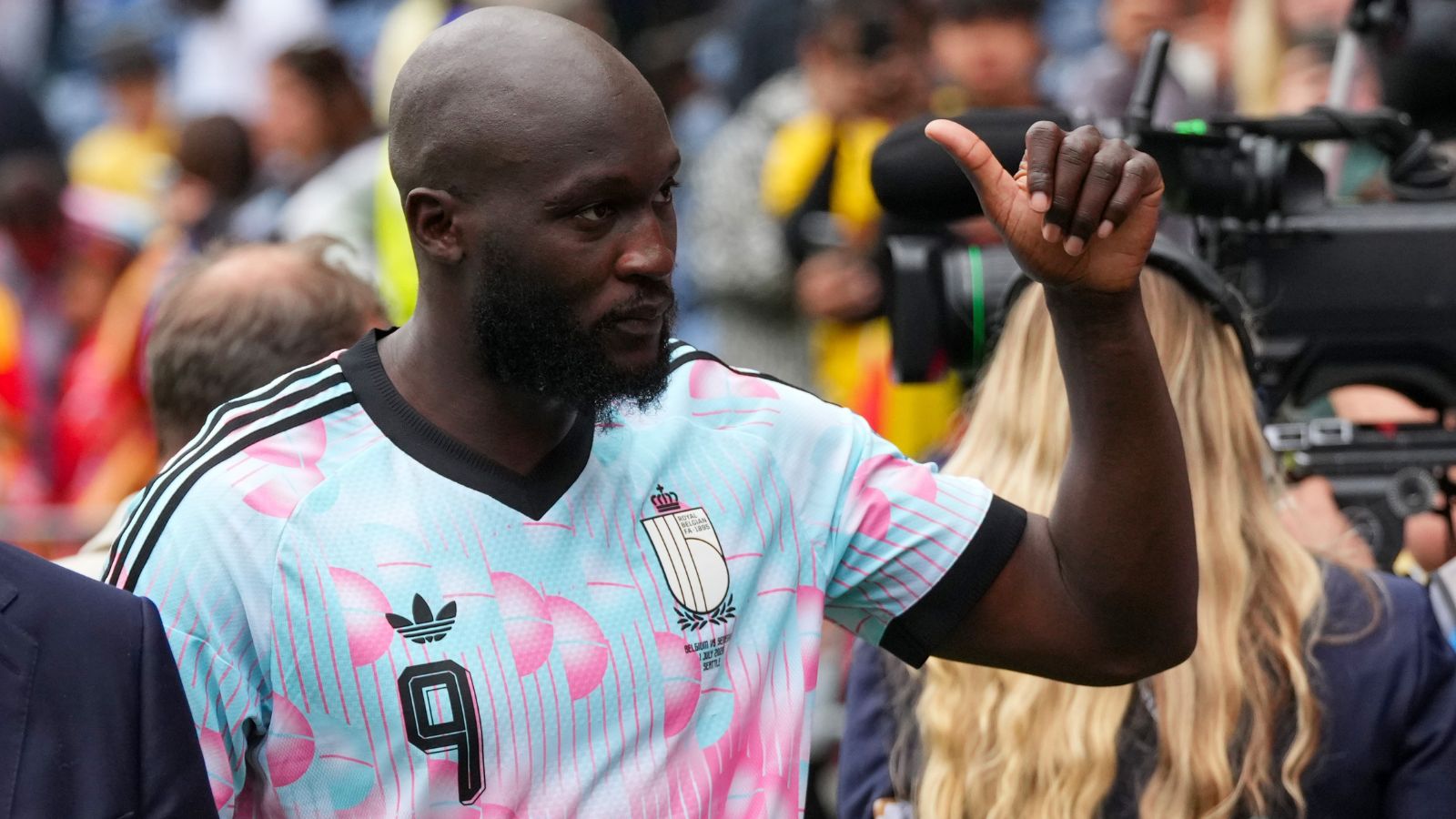
Romelu Lukaku fielded press inquiries in four languages—Spanish, English, French and Flemish—after Belgium’s 2‑1 loss to Spain, reaffirming his reputation as one of football’s most multilingual stars. Despite the defeat in the 2026 FIFA World Cup qualifiers, Lukaku turned the interview into a showcase for the strategic value of language in sport.
Match Overview
The encounter on June 15 saw Spain clinch a narrow victory, with a solitary goal from Álvaro Morata and a late strike by Ferran Torres sealing the win. Lukaku contributed a goal and an assist, but the result left Belgium’s hopes hanging. Journalists from various European outlets seized the moment to probe Lukaku on both his performance and his ability to navigate the multilingual press room.
Lukaku’s Linguistic Roots
Born in Antwerp to Congolese parents, Lukaku grew up in a bilingual environment where French and Flemish (Dutch‑Belgian) dominate daily life. He absorbed English through music, particularly American rap, and learned the Bantu language Lingala from his mother. A stint at Inter Milan in 2019 added Italian to his repertoire, while his time in Portugal and Brazil introduced Portuguese. ESPNmx reports he also understands Portuguese, Swahili, and even basic German.
The Strategic Edge of Polyglot Players
Speaking the team’s language goes beyond social niceties; it directly influences tactical clarity and morale. Lukaku has often emphasized, “Learning a team’s language helps me play my best soccer.” His teammate Kevin De Bruyne similarly speaks Dutch, French, English and German, illustrating how Belgium’s core players routinely bridge linguistic gaps, facilitating smoother locker‑room dynamics and quicker tactical adjustments.
Looking Ahead
As the road to the 2026 World Cup intensifies, Lukaku’s linguistic agility may boost his marketability and media presence, while also serving as a blueprint for younger athletes. In a sport increasingly defined by global movement, fluency in multiple languages could become as essential as technical skill, fostering deeper cultural empathy and on‑field synergy.