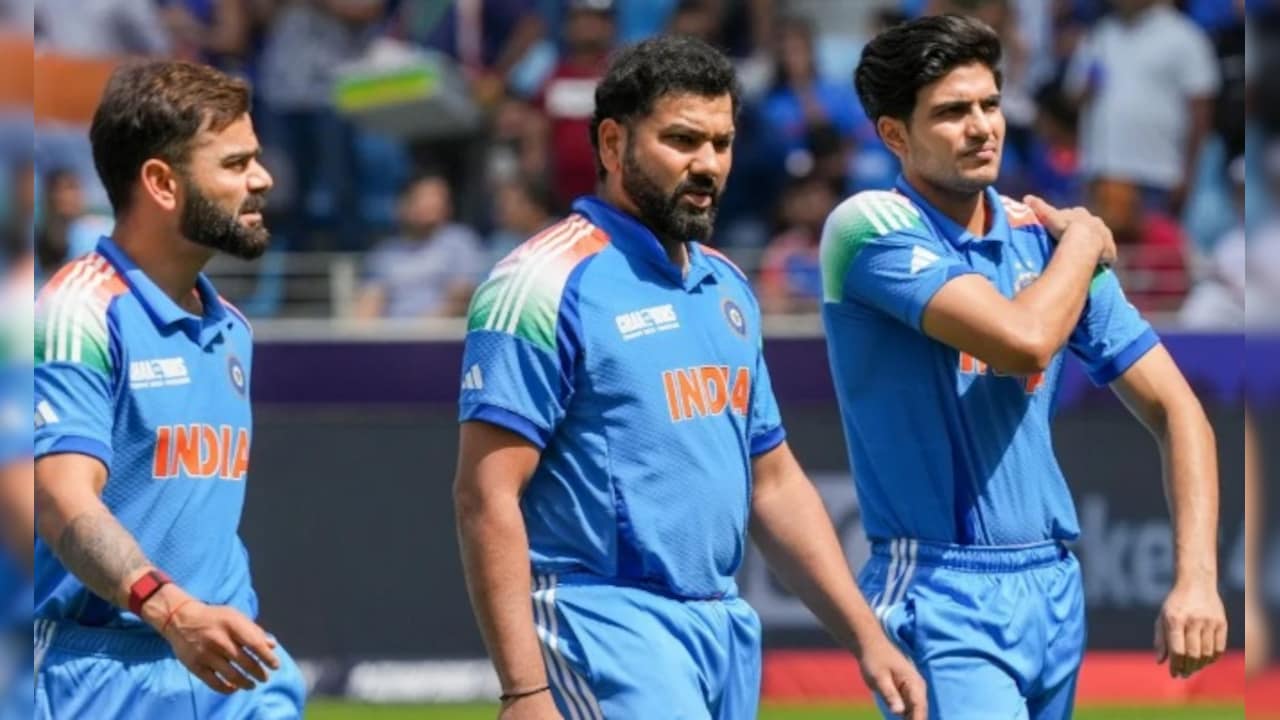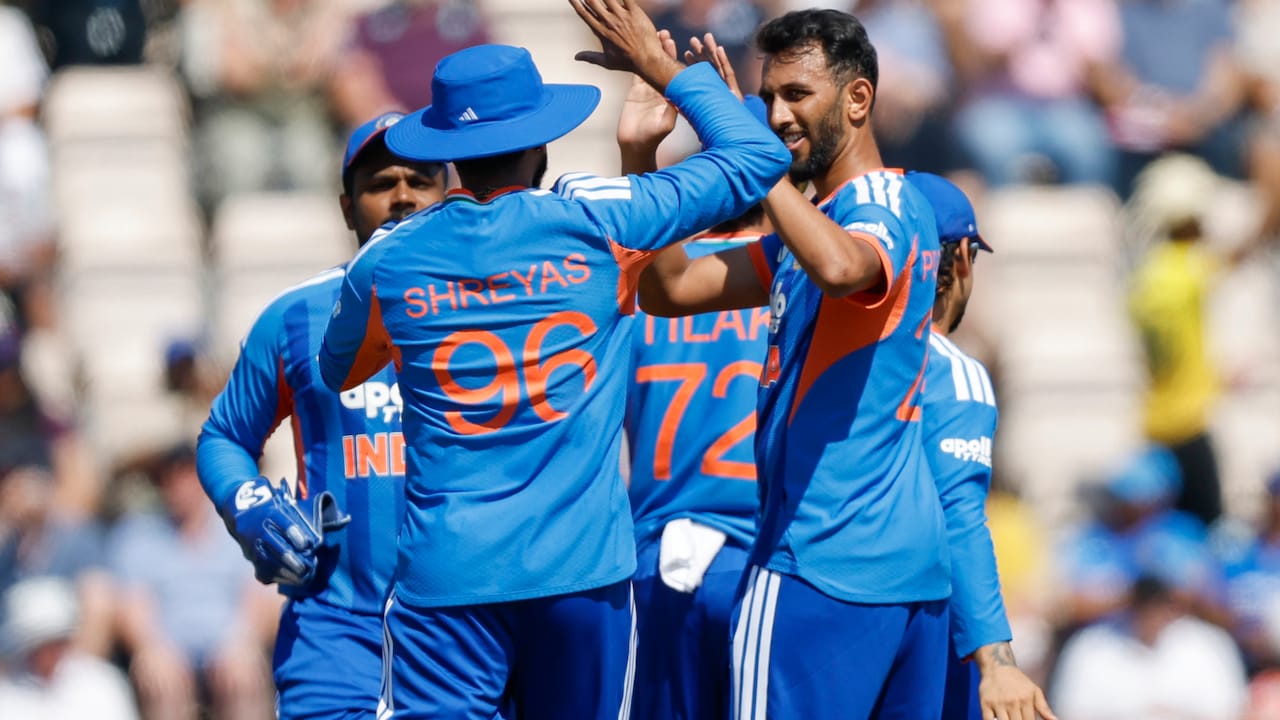
Under new skipper Shreyas Iyer, India has endured six defeats out of seven T20 internationals in the UK. A 258‑run target fell short at 201/8, underscoring the team's early struggles.
मुख्य बिंदु (Key Takeaways)
- India lost six out of seven T20Is under Shreyas Iyer's captaincy
- 258‑run chase ended at 201/8, highlighting a shortfall in finishing ability
- Batting showed improvement, but bowling and pressure handling lagged
India’s men’s T20 side embarked on a challenging tour of the United Kingdom under the freshly‑appointed captain Shreyas Iyer. Following Rohit Sharma’s retirement, Iyer inherited a side eager to re‑establish its dominance, but the first series under his leadership has been anything but smooth. Out of seven matches, only one victory was recorded, while six defeats have already cast a long shadow over his tenure.
Background and the Captaincy Shift
Iyer debuted internationally in 2018 and gradually cemented his place as a reliable middle‑order batsman. However, his appointment as captain in 2024 marked his first foray into full‑time leadership. Lacking prior experience in on‑field decision‑making, he faced a steep learning curve concerning bowling rotations, field placements, and managing high‑pressure moments.
Batting Progress Amid Chase Failures
Despite the overall record, the batting unit displayed notable progress. India consistently posted competitive totals, averaging close to the 258‑run mark set by England across the series. Contributions from veterans like Virat Kohli and the emerging talent of Ruturaj Gaikwad added depth. Yet, the decisive factor—chasing a sizable target—remained elusive. In the final fixture, a 258‑run target was left unattained at 201/8, exposing a reluctance to accelerate in the death overs and a mis‑judgment of required run‑rate under pressure.
Bowling and Fielding Shortcomings
The bowling attack struggled to contain England’s top order, often conceding 30‑40 runs in the opening powerplay. This early leakage forced the middle overs into a defensive stance, eroding the chance to build momentum. Fielding lapses—dropped catches and mis‑fielded balls—further compounded the deficit, turning potential wickets into easy runs for the opposition. Analysts suggest that Iyer must lean on senior bowlers for tighter lines and consider a specialist fielding coach to tighten the unit.
Looking Ahead: What Needs to Change
India’s upcoming schedule includes T20 clashes against Australia and South Africa. The selection committee now faces a pivotal decision: whether to recalibrate the pace attack, clarify the spin role, and inject fresh fielding talent. If addressed promptly, Iyer’s captaincy could still mature into a formidable tenure; if not, the series of losses may seed a deeper crisis within Indian cricket’s short‑format ambitions.