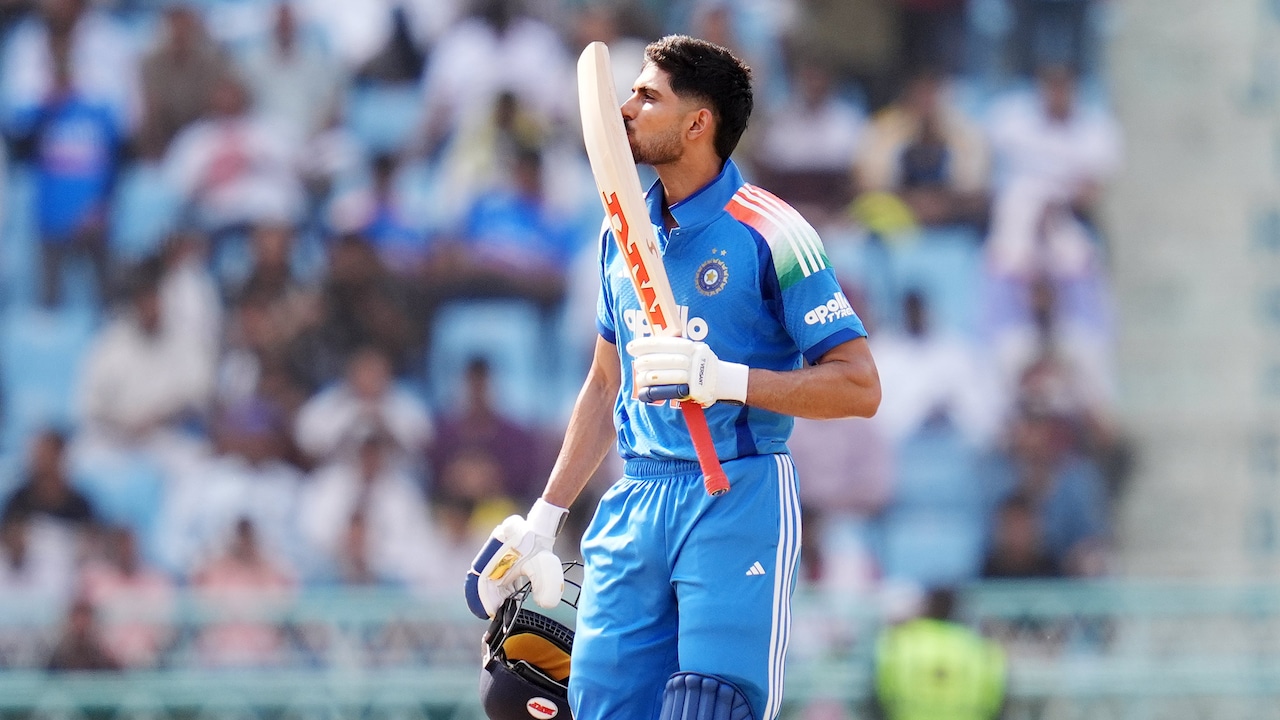
India’s Test and ODI captain Shubman Gill compared Spanish tennis star Carlos Alcaraz’s cunning drop shot to his own cricketing short‑arm jab. The analogy highlights how both sports use surprise to dominate opponents.
मुख्य बिंदु (Key Takeaways)
- Shubman Gill equates Alcaraz’s drop shot with his short‑arm jab.
- Both techniques rely on deception to destabilise opponents.
- The comparison underscores cross‑sport strategic parallels.
India’s Test and One‑Day captain Shubman Gill recently praised Spanish tennis prodigy Carlos Alcaraz by likening the Spaniard’s drop shot to his own cricketing short‑arm jab. “Alcaraz’s drop shot is as sneaky as my short‑arm jab—both catch the opponent off‑guard,” Gill said, sparking immediate buzz across the sporting world.
Background: Alcaraz’s Deceptive Arsenal
At just 22, Carlos Alcaraz has cemented himself among the world’s top five players. His drop shot combines razor‑sharp footwork, precise timing and an abrupt change of pace that forces opponents to rush forward, often resulting in a missed return. Known among analysts as a “deception cue,” the shot has featured prominently in his 2024 Australian Open quarter‑final triumph, where he dismantled a higher‑ranked opponent with a series of perfectly placed drops.
Gill’s Short‑Arm Jab: Cricket’s Under‑Utilised Weapon
In cricket, a short‑arm jab is delivered from a very close distance to the batsman, typically within the bowler’s own arm‑length. By releasing the ball almost simultaneously with the bowler’s run‑up, the delivery mirrors the bowler’s speed, leaving the batsman with little reaction time. Gill has employed this tactic on fast, low‑bounce pitches, repeatedly surprising top‑order batsmen and earning crucial wickets early in innings.
Strategic Parallels Across Sports
Gill’s analogy is more than a catchy phrase; it highlights a shared strategic foundation: using surprise to disrupt the opponent’s rhythm. Both the tennis drop shot and the cricket short‑arm jab aim to pull the adversary out of their comfort zone, forcing errors and creating scoring opportunities. Sports scientists note that such cross‑disciplinary insights can fuel innovative coaching methods, encouraging athletes to study tactics beyond their primary discipline.
Future Implications
The comment has already prompted Indian coaches and analysts to explore deeper collaborations between tennis and cricket training programs. If cricket coaches begin to incorporate tennis‑style deception drills, and vice‑versa, the resultant skill‑exchange could raise India’s competitiveness on both courts and fields. Moreover, the dialogue underscores the growing relevance of analytics‑driven, multi‑sport strategies in elite performance environments.
