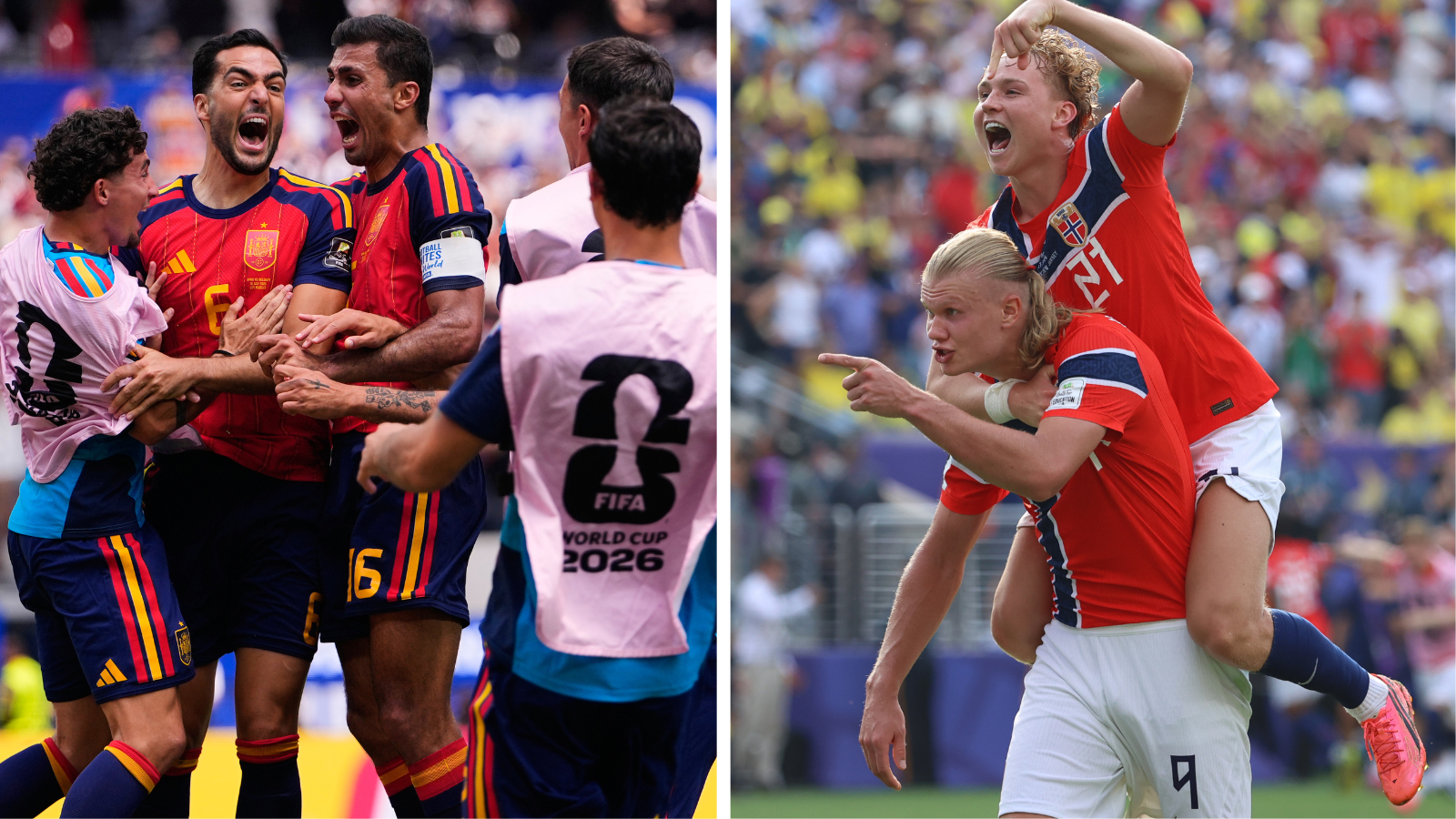
At the 2026 World Cup, substitutes have netted 52 of 250 goals – the highest rate in a decade. Fatigue and fresh legs in the closing stages are now the decisive factors, making the last twenty minutes the true battleground for victory.
Key Takeaways (मुख्य बिंदु)
- 11.4% of all goals this tournament have come in injury time – a historic high.
- Substitutes account for 18.6% of total goals, scoring 52 of 250.
- Fitness and mental resilience in the final 20 minutes decide most matches.
The 2026 FIFA World Cup has revealed a clear new pattern: games are increasingly decided in the last twenty minutes, and it is often the substitutes who tip the balance. With 52 goals coming from bench players – the highest proportion in ten years – the phenomenon is rooted in exhaustion, tactical timing and the sheer value of fresh legs when the pitch has run dry.
Historical Context
In previous editions, injury‑time goals hovered around 5‑7% of the total. This tournament has shattered that norm, with 11.4% of goals scored after the 90th minute – the highest share ever recorded. According to Opta, substitutes have contributed 18.6% of all goals, a figure that nearly matches the all‑time record set in 2014 (18.7%). The data underscores a shift: modern football’s high‑intensity pressing can no longer be sustained for a full ninety minutes.
Illustrative Cases
Spain’s Mikel Merino entered the field with just 1 minute 57 seconds left and scored the winner that sent his side into the semi‑finals. Similarly, Norway’s Erling Haaland completed a brace in the final eleven minutes against Brazil, a match that will go down as Norway’s biggest victory ever. In both instances, the decisive actions came from players who were still fresh while the opposition’s starters were flagging.
Strategic Implications
Coaches now view the bench as a tactical weapon rather than a mere safety net. The emphasis is on timing substitutions to exploit the opponent’s fatigue. Paraguay’s disciplined defence against Germany, Argentina’s comeback against Egypt without any fresh legs, and Switzerland’s penalty shoot‑out win over Colombia all highlight that the clock – not just personnel – can rewrite a match’s narrative.
Looking Ahead
France and Spain have already booked their semi‑final berths, each embodying opposite sides of the same equation: France presses early to close down space, while Spain conserves energy for a late‑game surge. If Norway overcomes England, they will replicate the blueprint that worked against Brazil – a substitute creating the opening for a striker who has waited all match for the perfect moment. Ultimately, the trophy will go to the side that, like Merino, is ready when the decisive minutes arrive.