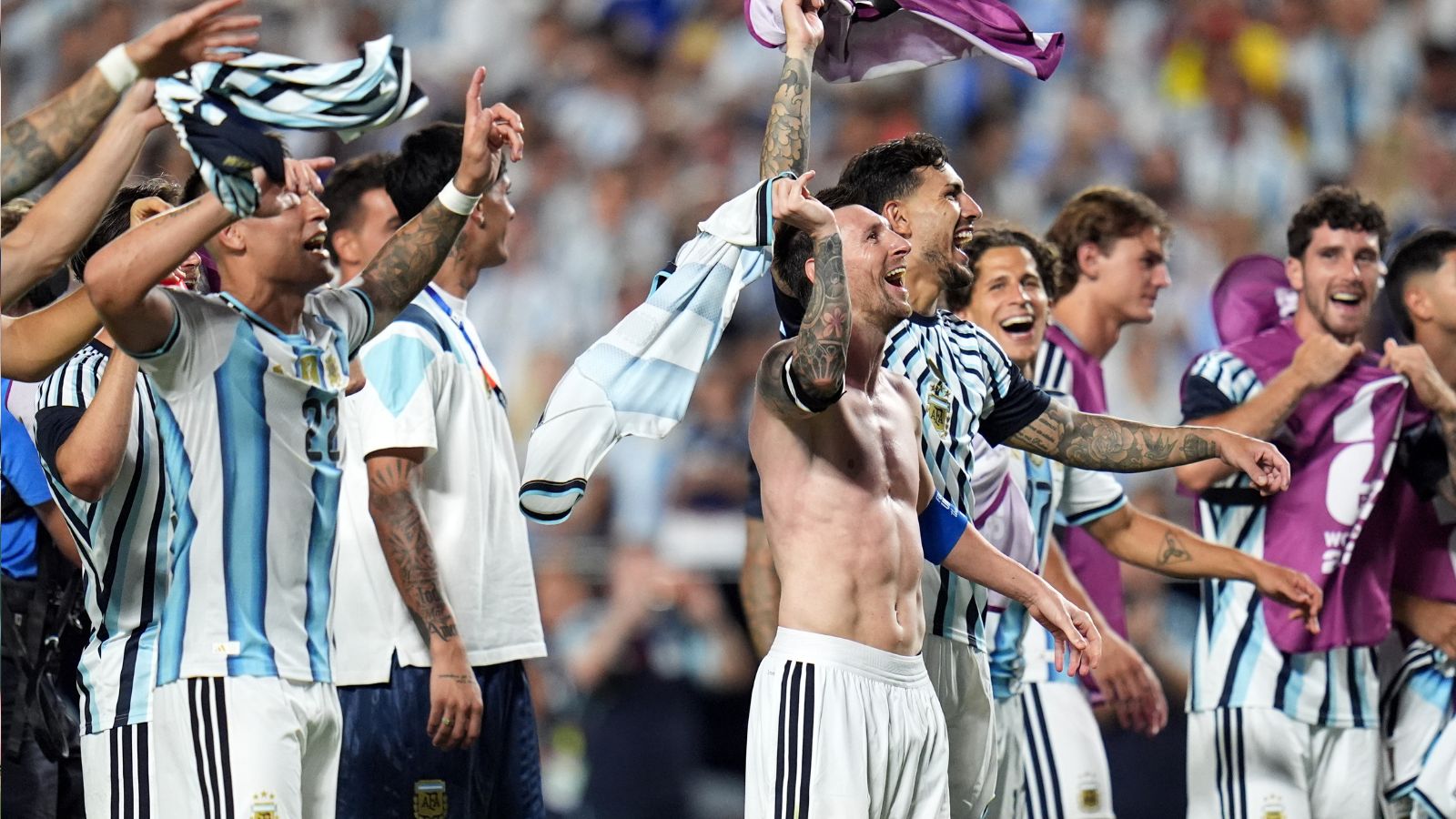
Defending champions Argentina have turned the 2026 FIFA World Cup into a showcase of late‑stage resilience, netting ten goals after the 75th minute. Stars like Lionel Messi, Julian Alvarez and Enzo Fernandez delivered decisive blows when most teams were already conceding defeat.
Key Takeaways
- Argentina scored 10 goals after the 75th minute, the highest tally among the 48 teams.
- Julian Alvarez, Lautaro Martinez and Enzo Fernandez were pivotal in late‑minute scoring.
- Team’s multi‑dimensional tactics and Messi’s experience turned matches on their heads.
Argentina has once again earned the moniker "comeback connoisseurs" at the 2026 FIFA World Cup, registering ten goals after the 75th minute—an achievement matched by only nine other teams in the tournament. This statistic underscores the side’s relentless belief in overturning deficits, even when the clock is ticking down.
Overview
As defending champions, Argentina’s journey has been defined by a blend of early pressure handling and dramatic late‑stage strikes. While Lionel Messi added his trademark late‑minute goals against Algeria, Austria and Jordan, those goals did not alter match outcomes, yet they epitomised the team’s refusal to settle for anything less than a comeback.
Historical Context
Argentina’s football heritage is steeped in legends—from Diego Maradona’s 1986 World Cup heroics to Messi’s modern era brilliance. The current squad’s comeback narrative is not merely a product of individual brilliance; it reflects a collective mental fortitude cultivated over decades. Julian Alvarez’s 112th‑minute winner against Switzerland and Enzo Fernández’s injury‑time header versus Egypt illustrate this ethos.
Key Matches and Turning Points
In the quarter‑final, Argentina turned a 1‑1 deadlock into a 3‑1 victory, with Alvarez and Lautaro Martínez delivering late goals that sealed the win. The round of 16 saw a stunning 0‑2 to 3‑2 turnaround against Egypt, driven by Messi’s pinpoint crosses to Cristian Romero and Martínez’s decisive header. Even the round of 32 featured a 1‑1 to 3‑2 comeback, with Martinez redeeming an earlier mistake by scoring the winner.
Future Implications
If this trend persists, Argentina could carry its late‑game formula into the semi‑finals and potentially the final, forcing opponents to prepare for an ever‑present threat beyond the 75th minute. Their versatile approach—combining individual flair, swift counter‑attacks and set‑piece precision—makes predictive analysis increasingly complex for rivals.
Ultimately, Argentina’s comeback narrative transcends sport; it symbolizes national pride and an unwavering belief that a match is never truly over until the final whistle.