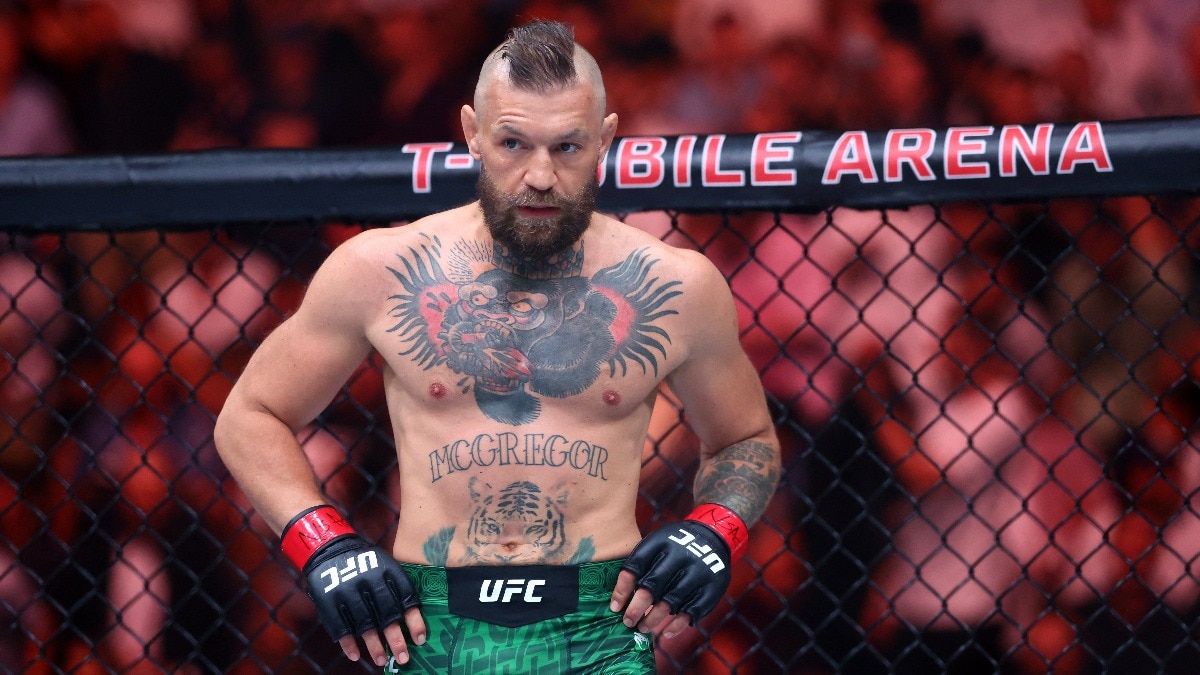
After a long-awaited comeback, Conor McGregor’s UFC 329 appearance ended abruptly due to a serious leg injury. This article breaks down the fight’s key moments, the cause of the injury, and its broader implications for the sport and the fighter’s future.
मुख्य बिंदु (Key Takeaways)
- McGregor returned at UFC 329 but suffered a severe leg fracture early in the bout.
- The injury forced an immediate stoppage, turning a high‑profile comeback into a medical emergency.
- Long‑term ramifications include a potentially lengthy rehab and a shift in UFC’s promotional strategy.
Anticipation ran high as Conor McGregor stepped back into the Octagon for UFC 329, marking his first fight in over two years. The Irish superstar had promised fans a “new era” of performance, emphasizing improved conditioning and a refreshed fighting style. The bout was billed as a clash with seasoned contender Tom Banks, a well‑rounded fighter known for his striking precision and grappling competence.
Preparation and Match‑up
Both athletes underwent an intensive 12‑week training camp, with McGregor focusing heavily on lower‑body strength and mobility to avoid past injuries. Analysts highlighted the matchup as a potential career‑reviver for McGregor, while also noting Banks’ ability to exploit any lingering weaknesses. Yet, despite meticulous preparation, the fight took an unexpected turn within the first round.
The Incident: How the Injury Occurred
At 2:15 of round one, Banks unleashed a rapid front‑kick aimed at McGregor’s lead leg. The impact struck McGregor’s right ankle with enough force to cause a sudden, audible crack. Medical personnel rushed in, diagnosing a tibial fracture that rendered the fighter unable to continue. The bout was halted, and the arena fell into a stunned silence as fans grappled with the abrupt conclusion.
Historical Context of Similar Injuries
Leg fractures are not unheard of in elite MMA. In 2015, former champion Robert “Bobby” Vilhe suffered a comparable injury that sidelined him for more than six months. Orthopedic experts suggest McGregor will require a minimum of six to nine months of rehabilitation, and even then, regaining his former explosiveness may prove challenging.
Future Implications and Business Impact
Beyond the personal setback, McGregor’s injury carries significant commercial ramifications. UFC had banked on his comeback to drive ticket sales, pay‑per‑view buys, and sponsorship activations. A prolonged recovery could force the promotion to pivot its marketing focus toward emerging talent, reshaping the organization’s revenue model. Nevertheless, fan sentiment remains overwhelmingly supportive, with social media campaigns rallying around McGregor’s health and anticipated return.