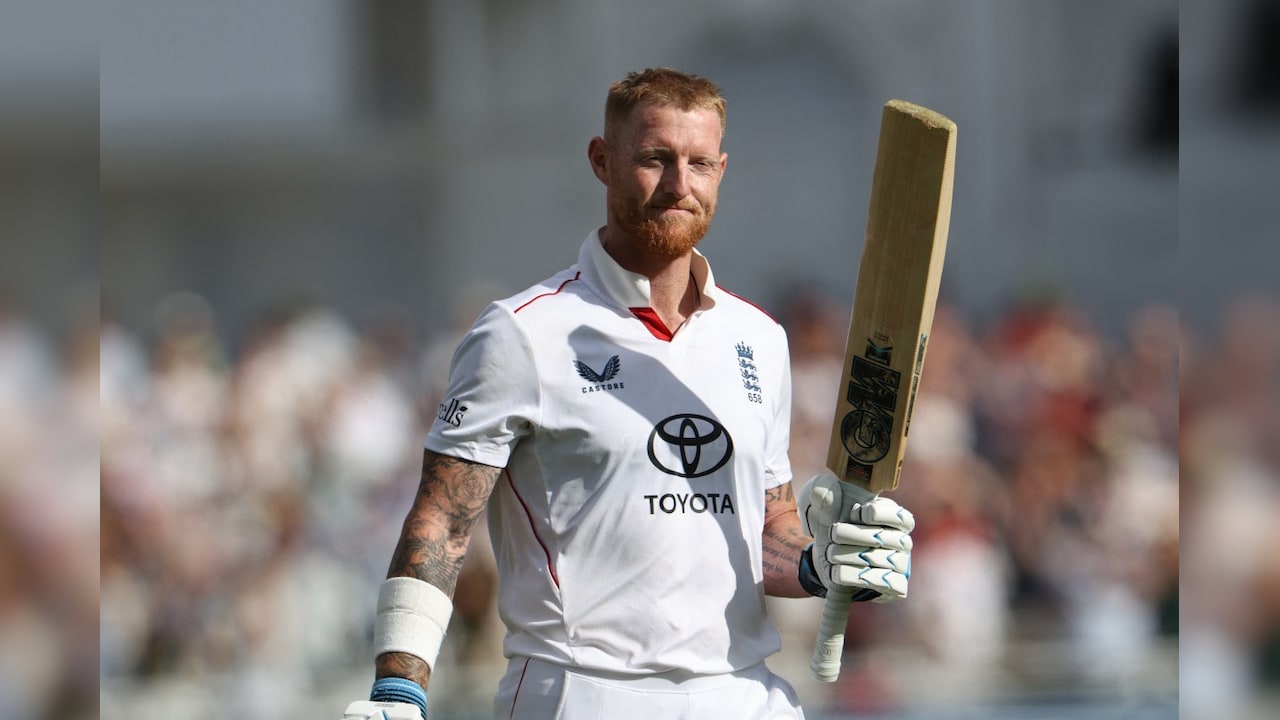
The England Cricket Board (ECB) has issued clear rules governing alcohol consumption for national team members. The policy follows Ben Stokes' sudden retirement and aims to tighten discipline within the squad.
Key Takeaways
- ECB releases comprehensive alcohol policy for players
- Guidelines take effect following Ben Stokes' retirement
- Violations may lead to selection bans and financial penalties
The England Cricket Board (ECB) has formally released a policy that outlines strict limits on alcohol consumption for members of the senior national side. Drafted in the wake of Ben Stokes' unexpected retirement, the guidelines are intended to reinforce professional standards and protect team cohesion during a period of transition.
Background and Motivation
Ben Stokes, the 2023 World Cup hero, announced his retirement from international cricket earlier this year, leaving a leadership vacuum and prompting internal reviews of squad culture. Sources close to the board indicated growing concerns that unchecked alcohol use could undermine performance and morale, especially during overseas tours and high‑pressure matches.
Core Provisions of the New Rules
According to the ECB document, players are prohibited from consuming alcohol during official training sessions, match days, and any board‑sanctioned travel. A stricter “zero‑tolerance” window applies for the first two weeks of any international series. Breaches trigger immediate removal from the playing XI, possible financial fines, and a temporary ban from future selections.
Historical Precedents and Comparative Insight
Similar policies have been adopted by other cricketing nations. Cricket Australia introduced a comparable ban in 2020, reporting measurable improvements in team unity and on‑field focus. ECB officials studied these outcomes and tailored the new rules to reflect the unique pressures faced by English cricketers, including the demanding county schedule and extensive overseas commitments.
Potential Implications
Experts suggest that the policy could have a two‑fold impact: safeguarding player health and establishing a more disciplined environment that enhances performance. If successful, the ECB model may influence other sporting bodies worldwide, prompting a wave of stricter lifestyle regulations in football, rugby, and beyond.
ECB chairperson Richard Gould emphasized that the guidelines will be reviewed annually, with adjustments made based on player feedback and observed outcomes. The board hopes the initiative will restore confidence among fans, sponsors, and the broader cricketing community.