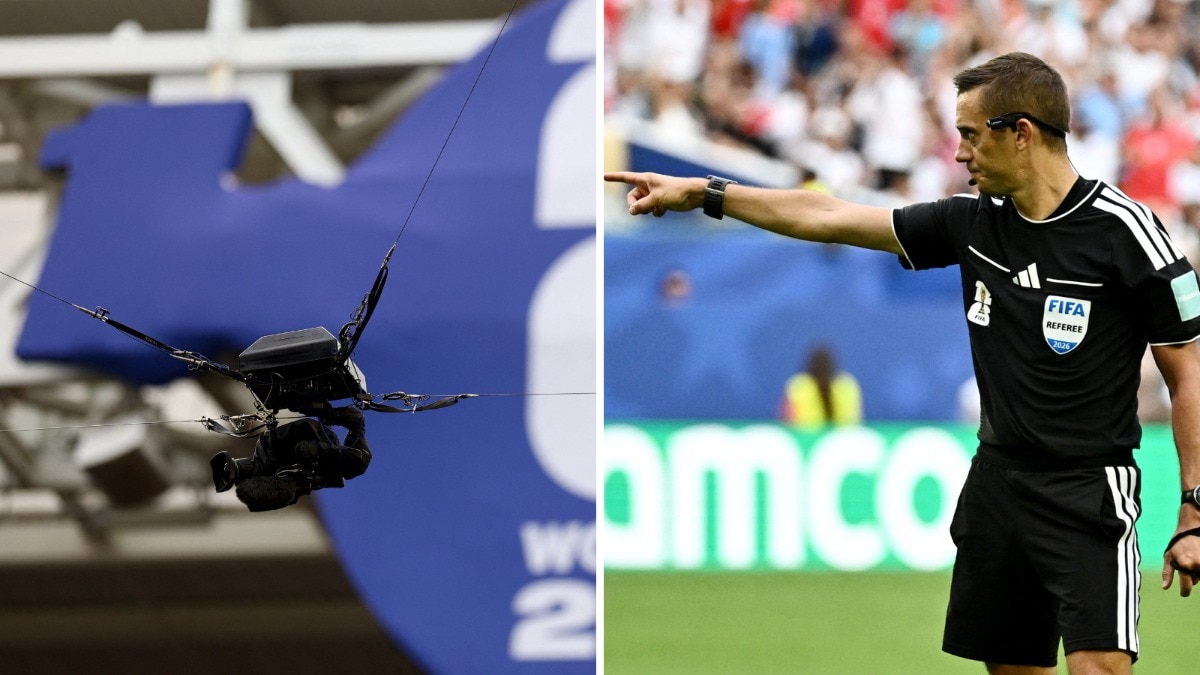
FIFA clarified that Jude Bellingham's equaliser did not touch the overhead cable, keeping the goal standing. The technical verdict settled the quarter‑final dispute but left Norway frustrated.
मुख्य बिंदु (Key Takeaways)
- FIFA confirmed no cable contact was detected.
- Connected Ball Technology showed no abnormal spike in the ball’s sensor.
- The decision upheld the goal, while Norway’s grievances persisted.
In the 2026 FIFA World Cup quarter‑final, England edged past Norway 2‑1 in extra time, but the match’s narrative was dominated by a contentious equaliser from Jude Bellingham. Norway’s goalkeeper Ørjan Nyland claimed the ball brushed an overhead camera cable, which, under the Laws of the Game, should have halted play.
Technical Investigation and FIFA’s Statement
FIFA’s Connected Ball Technology (CBT) examined the incident and reported that the ball’s internal “heartbeat” sensor recorded no peak at the 45+2 minute mark. This absence of a signal indicated that the ball did not make contact with the cable, allowing the goal to stand. FIFA’s official release read, “The sensor showed no peak, therefore no evidence of cable contact.”
Interpretation of the Laws
According to the International Football Association Board (IFAB) rules, any external object contact—such as a cable—requires the referee to stop play and restart with a dropped ball. Since officials found no evidence of such contact, the game proceeded uninterrupted.
Norway’s Reaction and Wider Context
Norwegian players, led by coach Stale Solbakken, vocally protested the decision. Nyland struck the turf after the goal, and striker Erling Haaland confronted referee Clément Turpin at halftime. This episode revived earlier World Cup controversies involving VAR and CBT, notably Argentina’s quarter‑final against Egypt and Croatia’s elimination by Portugal, where marginal technological readings sparked heated debates.
Implications for Future Officiating
While FIFA’s clarification resolved this specific controversy, it underscores the ongoing need for greater transparency between referees, VAR officials, and emerging technologies. Consistency in applying these tools will be crucial to preserving the integrity of future tournaments.