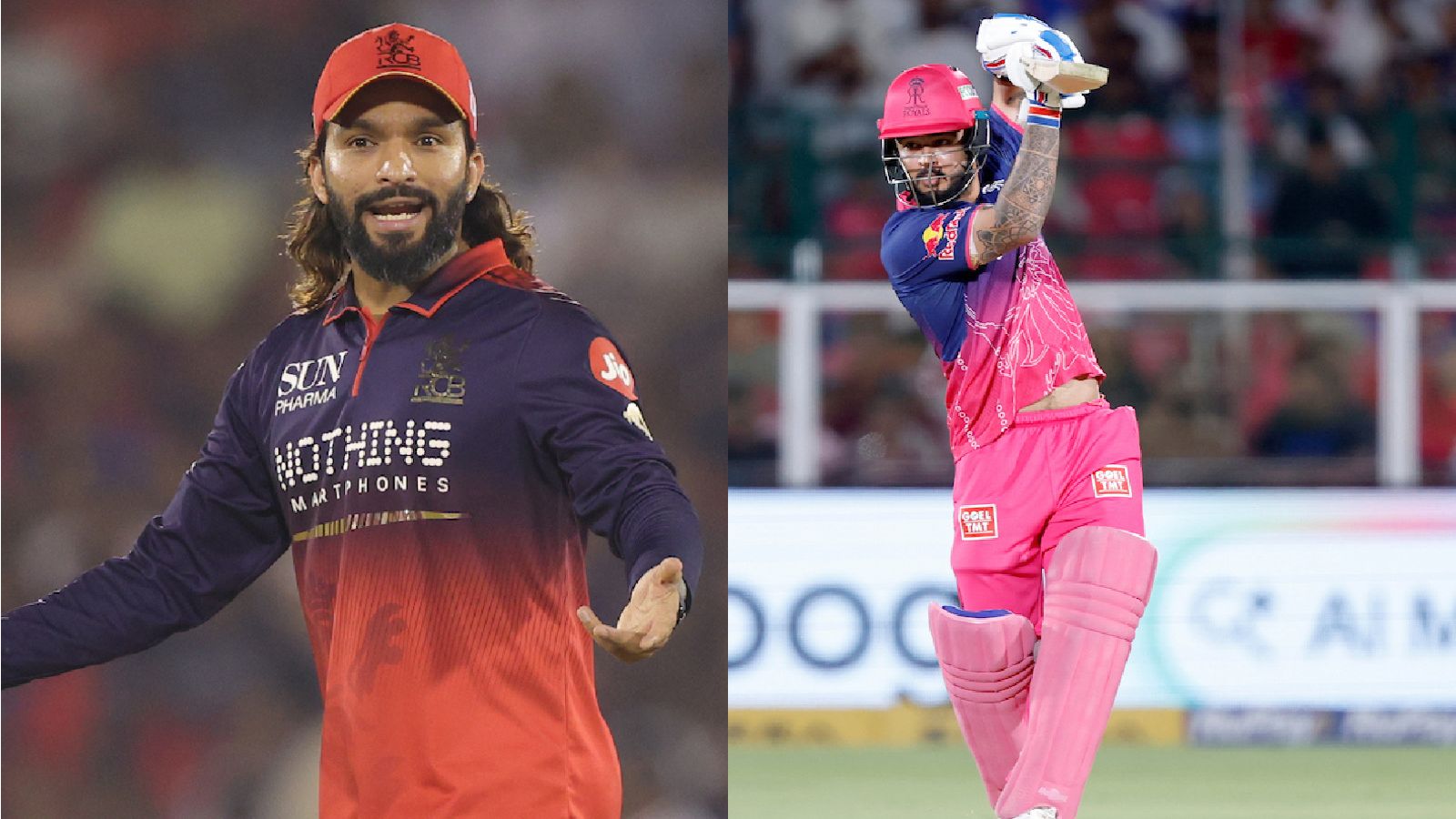
Former India pacer Irfan Pathan has highlighted the shortage of right‑handed batsmen in the national squad and recommended Riyan Parag and Rajat Patidar as viable options. He also stressed the need to give emerging players a consistent five‑to‑six‑match run.
मुख्य बिंदु (Key Takeaways)
- Pathan points out the strategic gap caused by a surplus of left‑handers.
- Riyan Parag and Rajat Patidar are proposed as right‑handed alternatives.
- New talent should receive a minimum five‑to‑six‑match window, unlike Vaibhav Sooryavanshi’s brief stint.
Former Indian fast‑bowler Irfan Pathan used his YouTube platform to argue that the national side is overly dependent on left‑handed batsmen, creating a one‑dimensional batting order. In recent series, the top seven often featured only one right‑hander, typically Shreyas Iyer, while the rest—Abhishek Sharma, Ishan Kishan, Vaibhav Sooryavanshi—bat left‑handed.
The Need for Right‑Handed Depth
“If all are left‑handers in the top seven, you have to find right‑handers and make them ready,” Pathan said. He identified Rajat Patidar and Riyan Parag as two promising right‑handed batsmen who could restore balance. Patidar, a prolific run‑getter in domestic cricket, offers solidity at the top, while Parag brings a handy sixth‑bowler option.
Parag’s Dual Skill Set
Parag’s right‑handed batting is complemented by his ability to bowl two overs as a fifth‑bowler. “If he performs well in domestic and A‑matches, then you must bring him,” Pathan emphasized, noting that such versatility is valuable in limited‑overs formats where extra overs can be decisive.
Consistent Opportunities for Emerging Players
Reflecting on Vaibhav Sooryavanshi’s brief exposure, Pathan argued that newcomers need a stable run of five to six games to adapt to international pressures. “He will do well going forward, I have no doubt,” Pathan asserted, urging the board to exercise patience with young talent.
Changing the Mindset Across Levels
Beyond selection, Pathan criticized the prevailing mindset among players and coaches who favor flat pitches and power‑hitting over skill development. “Everyone wants a flat pitch; no one wants to work on their technique,” he said, calling for a cultural shift that values adaptability on varied surfaces.
