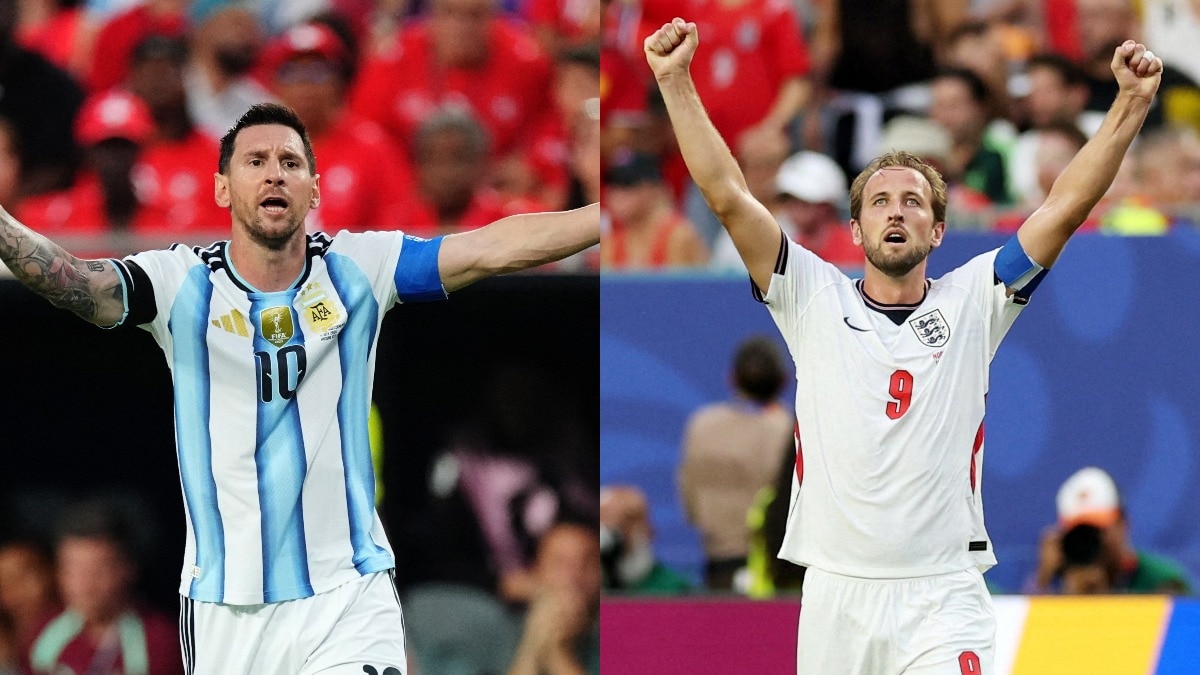
Argentina coach Lionel Scaloni dismissed the historic rivalry with England ahead of the World Cup semi‑final, emphasizing that it is merely a football match. The Albiceleste reached the last four after a 3‑1 extra‑time win over Switzerland.
Key Takeaways (मुख्य बिंदु)
- Scaloni labels the semi‑final as “just a football game,” steering clear of political undertones.
- Argentina beat Switzerland 3‑1 in extra time to secure a semi‑final berth.
- Both nations now focus on tactics and fitness rather than historic rivalry.
At the 2026 FIFA World Cup, Argentina’s 3‑1 extra‑time victory over Switzerland propelled the defending champions into a semi‑final clash with England in Atlanta. Head coach Lionel Scaloni immediately framed the encounter as “just a football game,” attempting to sideline the long‑standing political and sporting animosity that has haunted the two nations for decades.
Historical Context
The Argentina‑England rivalry extends far beyond the pitch. The 1982 Falklands (Malvinas) War left deep scars, while iconic football moments – such as Diego Maradona’s 1986 “Hand of God” goal and his breathtaking solo effort – have cemented the rivalry in global memory. Argentina eliminated England on penalties in 1998, only for England to avenge the loss with a group‑stage win in 2002. These episodes have repeatedly turned matches into symbolic battles, making Scaloni’s “just a football game” declaration a deliberate attempt to keep the narrative purely sporting.
Semi‑Final Build‑Up
The quarter‑final saw Breel Embolo’s second yellow card and subsequent dismissal, giving Argentina a numerical edge. Julian Alvarez’s 112th‑minute strike and substitute Lautaro Martinez’s stoppage‑time goal sealed the win. Scaloni praised his side’s ambition, stating, “We didn’t want it to go to penalties – it was more about the desire to win than the quality of play.” He acknowledged the need for tactical sharpness and fitness, noting England’s strong coaching staff as a formidable obstacle.
Implications and Outlook
A victory would send Argentina to a second consecutive World Cup final – a feat not achieved since the 2014‑2018 cycle. Scaloni called the semi‑final “a privileged position” but warned that “it’s not easy.” England, meanwhile, stands ready to rewrite the next chapter of this storied rivalry on the sport’s biggest stage. The outcome will shape not only the tournament’s narrative but also the broader discourse on how historic tensions translate into modern competition.