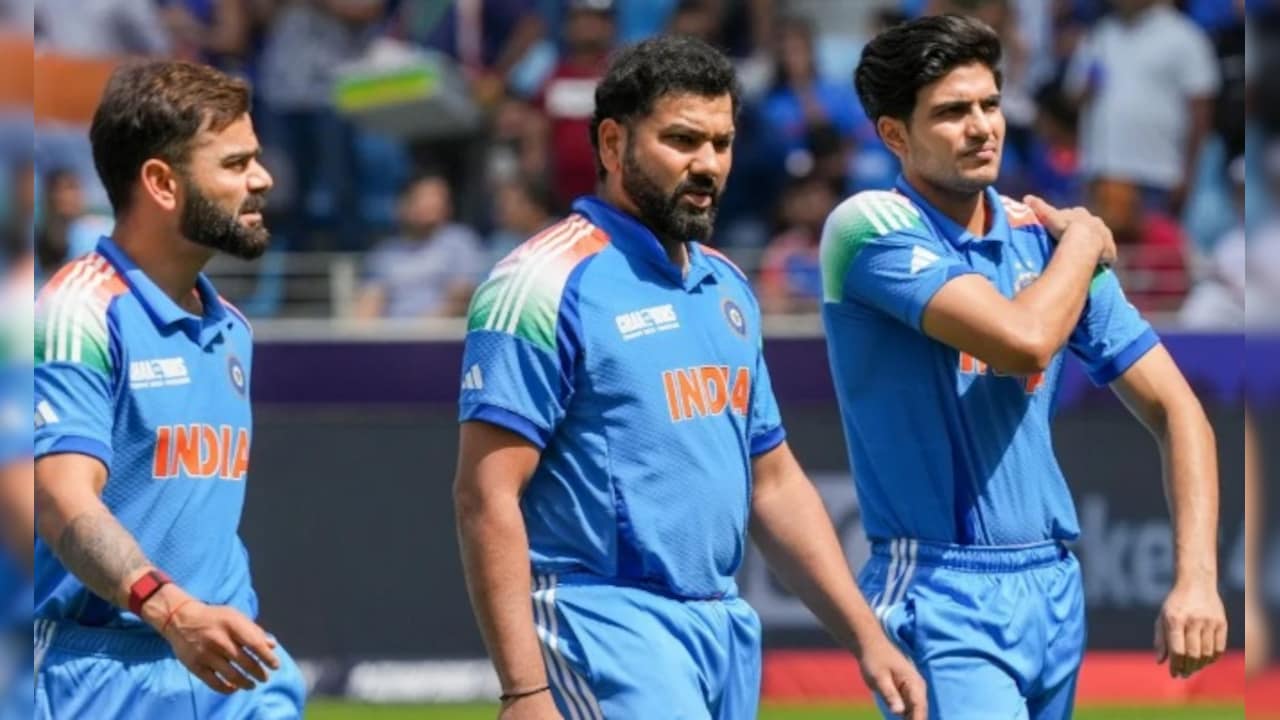
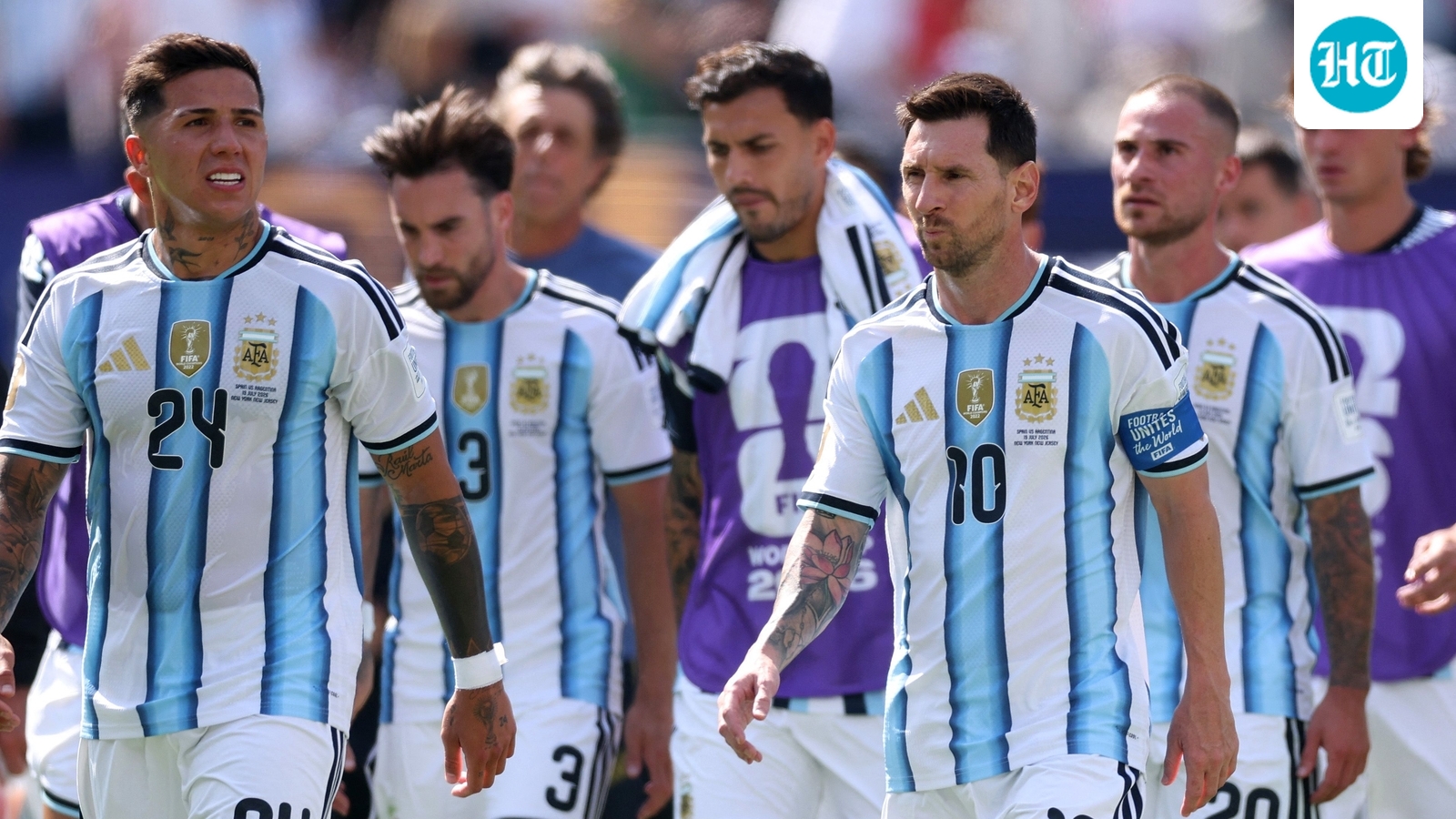
Argentina and England will meet for the first time on the world stage in the 2026 World Cup semi‑final, adding a fresh chapter to a rivalry steeped in political tension and football drama. Lionel Messi’s long‑awaited showdown promises to reshape global football narratives.
Key Takeaways
- Lionel Messi will face England for the first time in a World Cup semi‑final.
- The match revives decades‑old political and Falklands‑War‑related tensions.
- The outcome will influence the trajectory of the 2026 tournament and Messi’s legacy.
Argentina’s rivalry with England transcends the pitch; it is rooted in the 1982 Falklands War and the ensuing national sentiments that have colored every subsequent encounter. While the two nations have met in friendlies and qualifiers, a World Cup semi‑final brings the stakes to an unprecedented level. On July 15, 2026, at Atlanta’s stadium, Lionel Messi will finally confront the English side—a clash the Argentine Football Association has dubbed “the match fate owed Messi.”
Messi’s Journey and the Missing England Chapter
Over the past two decades, Messi has battled every World Cup powerhouse—Brazil, France, Germany, Italy, Spain—yet England has remained conspicuously absent from his résumé. The closest brush came in a November 2005 friendly in Geneva, where Argentina fell 3‑2, with Wayne Rooney and Michael Owen scoring twice. Messi, on his senior debut against Hungary earlier that year, was sent off and missed the game entirely. The upcoming semi‑final therefore represents not just a tactical battle but the closure of a personal narrative gap spanning more than twenty years.
Why This Semi‑Final Matters
Argentina entered the semi‑final after a dramatic 3‑1 extra‑time victory over Switzerland, where Messi supplied the assist for Alexis Mac Allister’s opener. Although he did not score—the first World Cup match since Argentina’s 2‑0 group‑stage win over Poland in Qatar 2022 where Messi remained goalless—his influence was undeniable. A win against England would propel Argentina into a final that could feature another European heavyweight such as France or Germany, offering Messi a tantalising chance to add yet another World Cup trophy to his collection.
Broader Implications and Cultural Resonance
The fixture is more than a sporting event; it is a cultural flashpoint that revives memories of the Falklands conflict, national pride, and football folklore. For a generation that grew up hearing stories of the 1982 war, this match becomes a symbolic reconciliation on the field. Messi’s participation adds a personal dimension, turning the encounter into a historic moment that will be etched into both Argentine and English football lore.