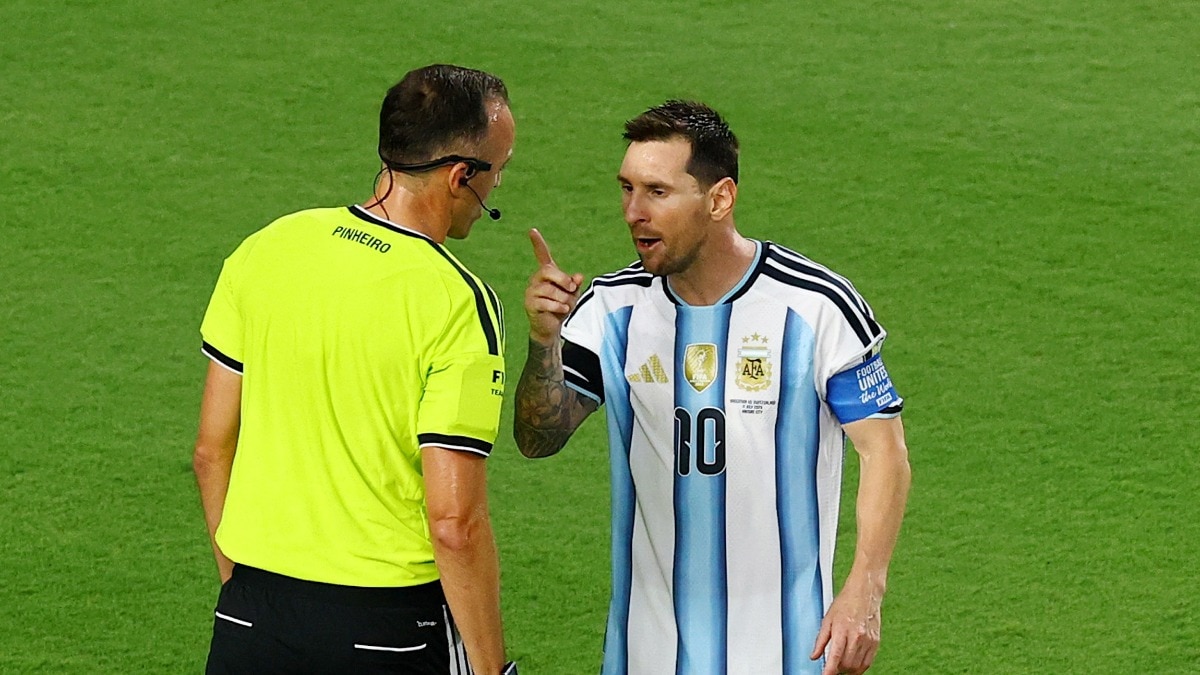
During the FIFA World Cup quarter‑final, Lionel Messi clashed with referee João Pinheiro in a tense verbal exchange that quickly spread online. The incident highlights the fine line between passion and decorum on football’s biggest stage.
Key Takeaways
- Messi’s confrontation with referee João Pinheiro became a viral talking point
- The exchange had no direct impact on the quarter‑final outcome
- Pinheiro chose not to sanction Messi, keeping the match flow intact
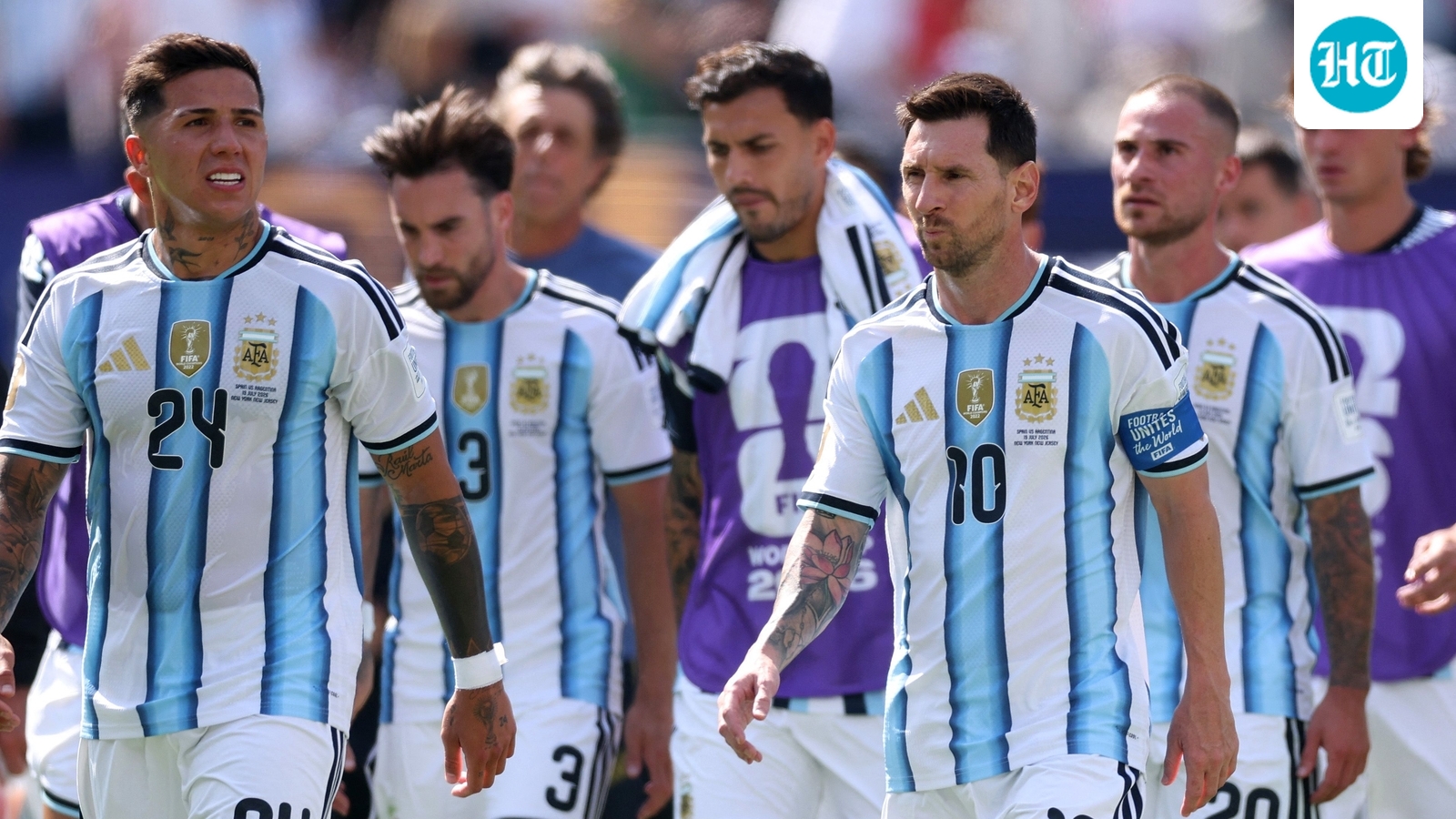
On July 12, 2026, the FIFA World Cup quarter‑final saw Argentina defeat Switzerland 3‑1 after extra time, but the headline moment was Lionel Messi’s heated verbal clash with Portuguese official João Pinheiro. The exchange was captured on broadcast cameras and immediately set the internet ablaze.
What Triggered the Confrontation?
Early in the first half, Switzerland earned a free‑kick. As Argentina’s defensive wall formed, Pinheiro instructed Messi to step back the required distance. Messi appeared displeased, approached the referee, and, according to lip‑reading, demanded, "Speak to me properly. Don’t disrespect me. Speak to me properly. I spoke to you properly."
Impact on the Match and Referee’s Decision
Despite the intensity, Messi kept his hands behind his back, maintaining composure while addressing the official. Pinheiro did not issue a warning or card, allowing play to continue unimpeded. Consequently, the confrontation did not alter the match’s trajectory, and Argentina later clinched victory through goals from Julian Alvarez and Lautaro Martinez in extra time.
Profile of João Pinheiro
At 38, Pinheiro is among Portugal’s elite referees. He debuted in the Portuguese top flight in 2015, earned his FIFA badge in 2016, and has overseen UEFA Champions League, Europa League, and the 2025 UEFA Super Cup. His appointment to the 2026 World Cup reflects his standing among Europe’s top officials.
Broader Implications
This incident reignites debate over player‑referee communication in high‑stakes tournaments. As viral clips shape public perception, governing bodies may consider stricter guidelines to preserve respect without stifling players’ emotional expression. The episode could serve as a catalyst for revisiting disciplinary protocols surrounding on‑field disputes.