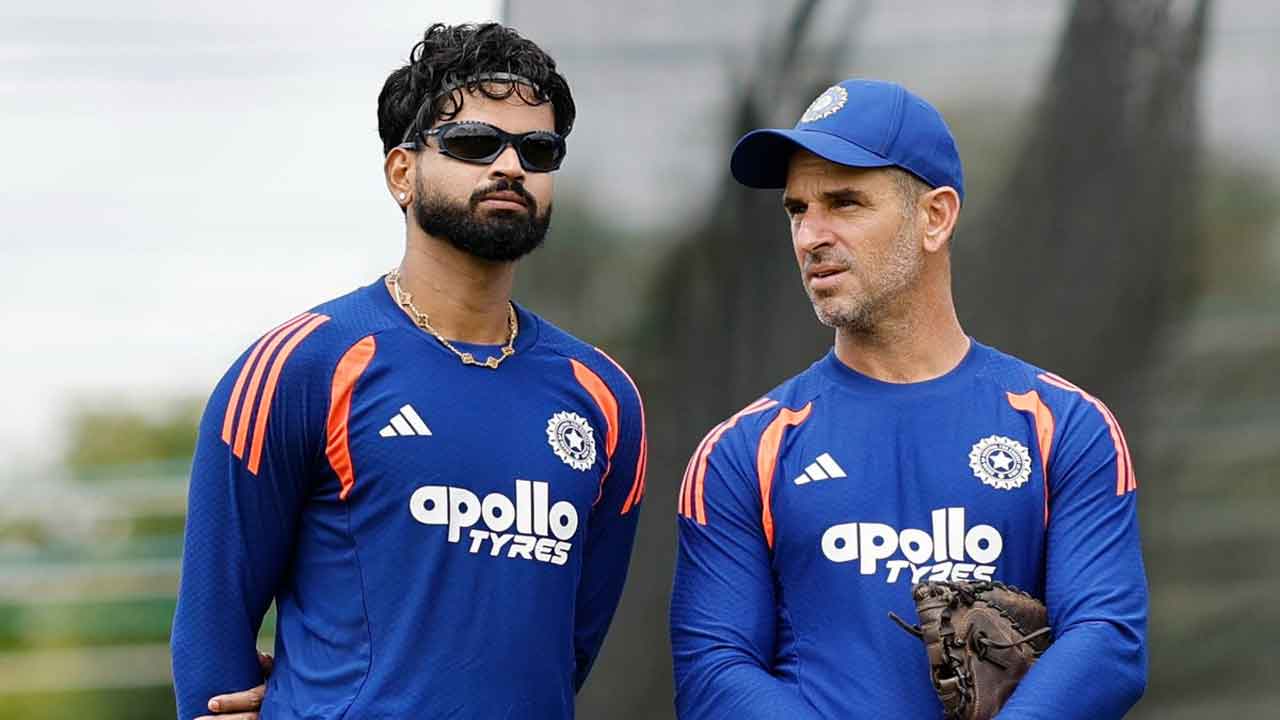
Despite six straight T20I defeats, former India batsman Abhishek Nayar argues it’s premature to question Iyer’s leadership. He stresses that a captain needs time and autonomy to shape his side, and that the recent losses can serve as valuable lessons.
Key Takeaways
- Shreyas Iyer has endured six consecutive T20I losses, yet experts call for patience.
- Former player Abhishek Nayar believes the new captain must be given freedom to build his own side.
- Defeats to Ireland and England could provide crucial strategic insights for Iyer.
Shreyas Iyer assumed the India T20I captaincy in early 2024, but his tenure has started on a sour note. A surprise 2‑0 series loss to Ireland followed by a 4‑0 drubbing by England saw India slip from the ICC No. 1 ranking, with England taking the top spot. The fifth and final match at Southampton’s Rose Bowl ended in a 56‑run defeat, extending the losing streak to six under Iyer’s stewardship.
Abhishek Nayar’s Perspective
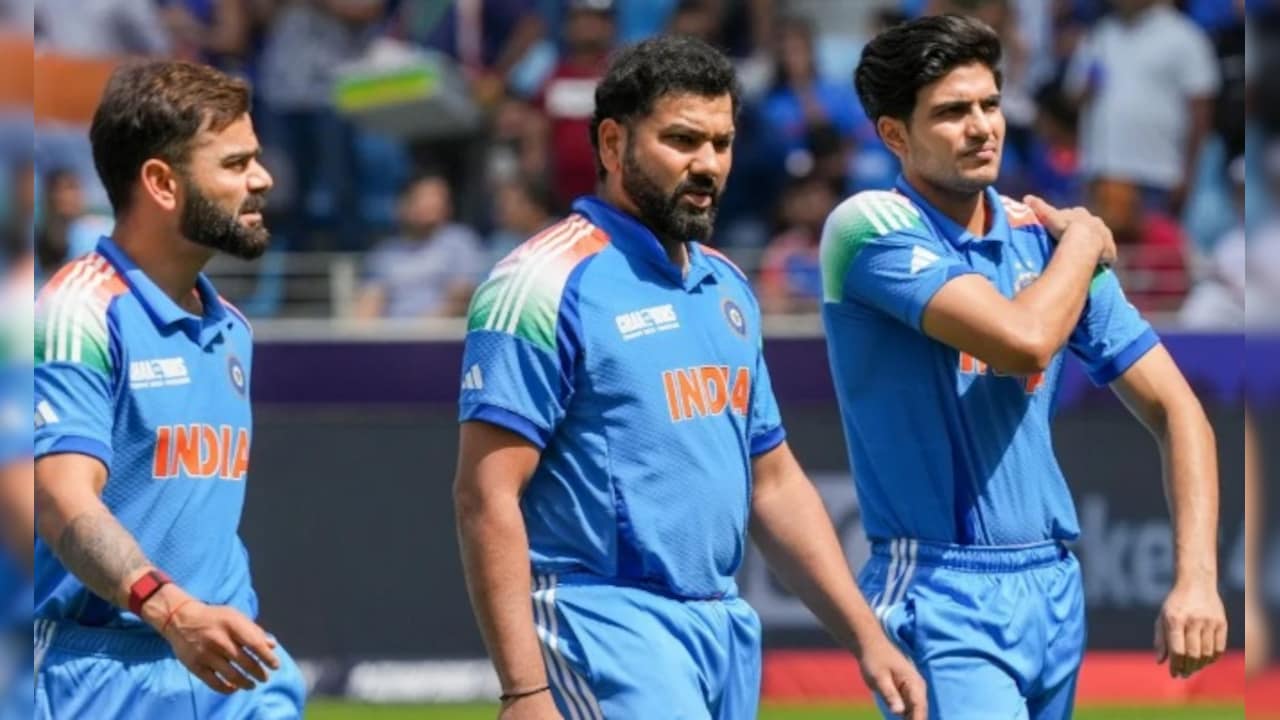
Former Indian batsman Abhishek Nayar cautioned against knee‑jerk reactions. “When you hand the mantle to someone taking over a champion side, you must also give him the liberty to pick his own XI,” he told JioHotstar. Nayar argues that Iyer should first be allowed to imprint his ideas on the squad before any verdict is passed. He cited England’s Harry Brook, Ben Stokes, and India’s own Rohit Sharma and Virat Kohli as examples of captains who were trusted to mould their teams after initial setbacks.
Historical Precedent for New Captains
India’s cricketing history is replete with captains who faced early turbulence. Rohit Sharma, appointed in 2017, turned a series loss in Australia into a period of dominance. Virat Kohli, after a rocky start in Tests, re‑engineered the side’s approach. Even current ODI skipper Shubman Gill did not win a series in his first few outings. Nayar emphasizes that patience, not panic, is the rational response.
What Lies Ahead for Iyer
Iyer now faces the dual challenge of stabilising his personal form while developing a coherent team strategy. His strengths as a middle‑order batsman remain evident, but as captain he must balance bowler rotations, field‑placement innovations, and the integration of emerging talent. Nayar believes that once Iyer is granted full selection freedom, he can gradually construct a side that reflects his cricketing philosophy.
In conclusion, the verdict on Iyer’s captaincy should wait until he has had a genuine opportunity to shape the unit. As India steps into a new phase of T20 cricket, the board’s willingness to grant autonomy and the public’s patience will determine whether Iyer evolves into a lasting leader.