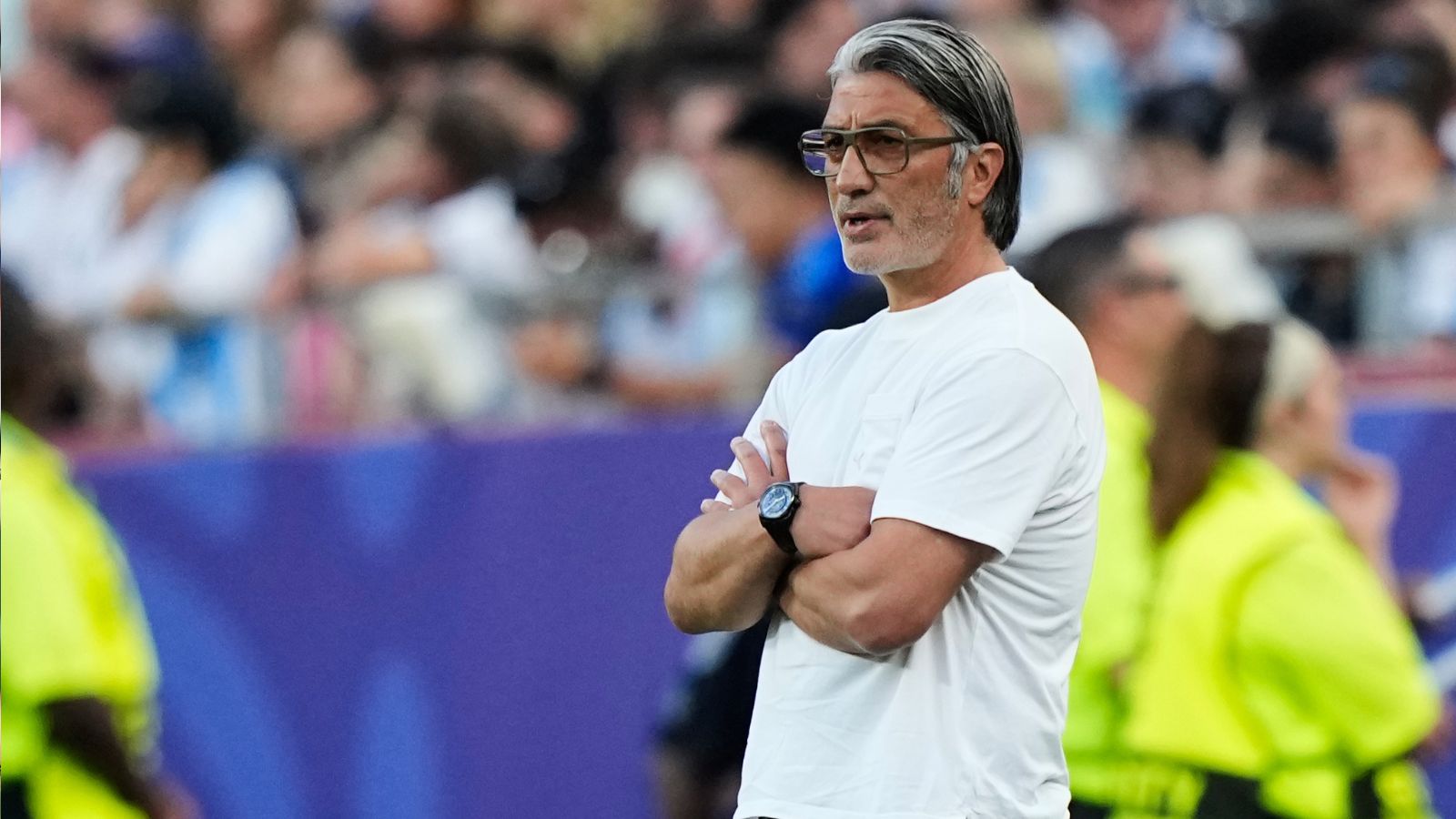
Switzerland head coach Murat Yakin denounced the red‑card decision that saw forward Breel Embolo sent off, calling it a needless mistake that cost his side the match. He argued that the referee and VAR collaboration crippled his team’s balance and ultimately robbed football of its fairness.
मुख्य बिंदु (Key Takeaways)
- Switzerland lost a vital player due to a disputed red card
- Coach Yakin labeled the VAR decision a clear error
- The incident raises questions about officiating standards at World Cup 2026
On July 11, 2026, the quarter‑final of the FIFA World Cup 2026 in Kansas City ended with Argentina edging Switzerland 2‑1. The decisive moment came when Swiss striker Breel Embolo received a second yellow card, automatically converting it into a red and forcing him off the pitch. The dismissal disrupted Switzerland’s tactical shape at a critical stage of the game.
Root of the Red‑Card Controversy
In the post‑match interview, head coach Murat Yakin blasted the decision, stating, “We were punished because of a mistake. There was no reason for that red card. It was an innocent situation; there was nothing malicious about it.” He emphasized that both the on‑field referee and the Video Assistant Referee (VAR) failed to acknowledge clear contact, rendering the decision “unbelievable.”
Yakin’s Overall Assessment
Yakin clarified that Argentina was not given any preferential treatment. “We had a fair and open match. Both teams played football. Football wasn’t the winner today,” he said, adding that the Argentine side had moments of brilliance but ultimately could not influence the outcome beyond the officiating error. He praised Argentina’s players for their effort while insisting the decisive factor was the referee’s mistake.
Parallel Dispute: Egypt vs Argentina
The controversy echoed earlier concerns raised by the Egyptian Football Association (EFA) after they were eliminated by Argentina in the round of 16. The EFA accused VAR of inconsistent application, noting several key incidents that directly shaped the match’s result. Their statement highlighted the need for “the highest standards of integrity, fairness, and transparency” in World Cup officiating.
Implications for Future Tournaments
This episode adds momentum to calls for a comprehensive review of VAR protocols ahead of the tournament’s later stages. Analysts warn that repeated officiating blunders could erode fan confidence and jeopardize the tournament’s credibility. FIFA may need to tighten guidelines, improve referee training, and enhance transparency to prevent similar disputes.
In short, Yakin’s outspoken criticism has reignited the debate over technology’s role in football, underscoring that without consistent application, the very spirit of the game can be compromised.
