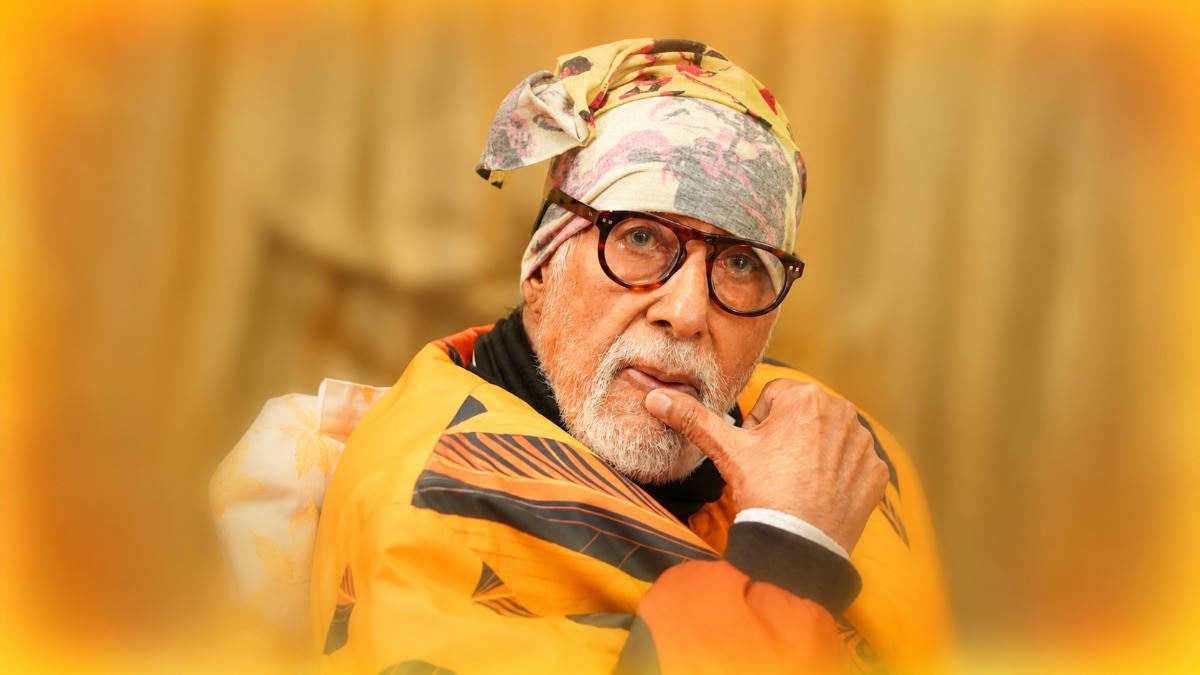
Veteran actor Amitabh Bachchan has labeled several decisions at the 2026 FIFA World Cup as unfair, expressing his distress in a recent blog. His remarks also touch upon national pride, team spirit, and the rapid changes shaping modern sport.
Key Takeaways
- Amitabh Bachchan condemns perceived unfair rulings at FIFA World Cup 2026
- Highlights the importance of national pride and teamwork in global football
- Emphasizes the accelerated progress benefitting younger generations
India’s cinematic legend Amitabh Bachchan took to his official blog to criticize what he calls “unfair decisions” at the 2026 FIFA World Cup, describing the experience as “distressing.” The statement has instantly sparked a wave of discussion among fans, pundits, and sports administrators alike.
Key Points from the Blog
In his post, the 83‑year‑old actor wrote, “The timelines and the idea of time have gone awry. The WC 2026 has produced decisions that make our days harder, and we see with great distress the unfair decisions being made for one and not for the other.” He further noted that while fans cheer for victories, they also feel remorse when outcomes seem skewed by officiating or administrative bias.
Comparing Football to the IPL
Bachchan drew a vivid parallel with India’s own Indian Premier League (IPL), stating, “Just as IPL players compete for different franchises, they unite when representing the national side. This requires character and a sense of duty beyond club loyalties.” The analogy underscores the dual identity many athletes juggle – club rivalry on one hand, and national allegiance on the other.
Generational Shifts and Future Outlook
Beyond the tournament, Bachchan reflected on the rapid evolution of the sporting world. “Older generations often wonder why progress didn’t happen in their youth, but there is comfort in knowing the younger generation will reap the benefits,” he wrote, hinting at broader societal changes driven by technology, media exposure, and commercial growth.
Impact on Indian Audiences
The actor’s commentary resonated strongly on Indian social media, where fans expressed both support for his candidness and frustration over the very decisions he highlighted. This public discourse may pressure FIFA and its refereeing bodies to adopt clearer, more transparent policies, especially as the sport’s global fanbase becomes increasingly vocal.
Concluding his note, Bachchan mentioned finally seeing sunshine after months of gloom at his home, urging readers to “soak in as much light as possible.” The personal anecdote dovetails with his broader message: hope, fairness, and progress must illuminate the path forward for football and beyond.